Với hơn 10 năm kinh nghiệm về vận chuyển khí nén, Headpowder Sơn Đông cung cấp hệ thống, thiết bị và quạt gió toàn chuỗi, đảm nhận các dự án kỹ thuật bột trọn gói trên toàn quốc.
When it comes to handling and transporting alloy powders, selecting the right conveying method is crucial for efficiency, material integrity, and operational safety. At Shandong HeadPowder Engineering Co., Ltd., we understand the unique challenges associated with alloy powders, which often require specialized equipment to prevent contamination, degradation, or loss during transport. This article explores the most common methods used for alloy powder conveying, providing insights into their applications, advantages, and considerations for different industrial scenarios.
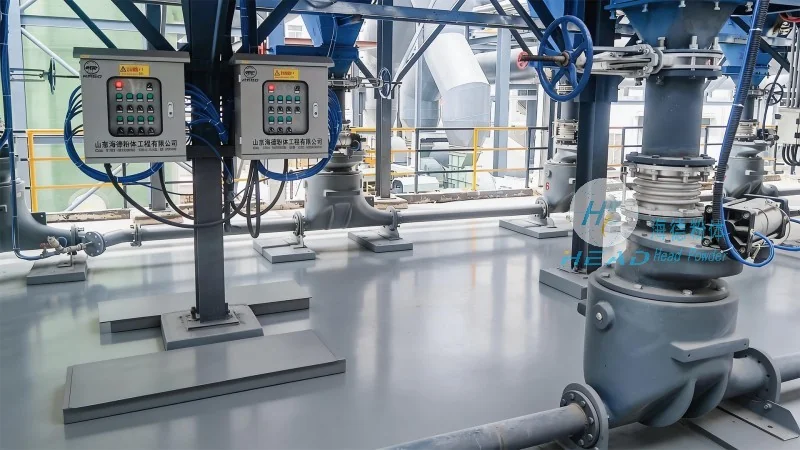
1. Pneumatic Conveying Systems
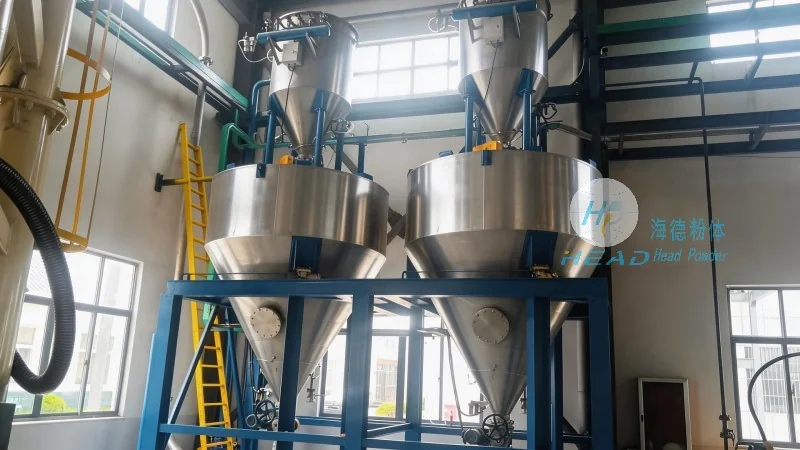
Pneumatic conveying, also known as air conveying, is one of the most widely used methods for transporting alloy powders due to its ability to handle fine, abrasive, or sensitive materials. This system operates by using compressed air to move powder through a pipeline. There are two main types: pressure and vacuum systems. Pressure systems use positive pressure to push the powder forward, while vacuum systems use negative pressure to pull it. Pneumatic conveying is particularly effective for long-distance transport and can handle powders with high moisture content or those that are prone to caking. The equipment typically includes a hopper, a feeder, a conveying line, and a receiver. The choice between pressure and vacuum depends on factors such as the distance, the volume of material, and the need for dust control. For example, in the production of metal powders for 3D printing or powder metallurgy, pneumatic conveying ensures that the alloy powder remains in a dry, consistent state, minimizing the risk of oxidation or agglomeration.
2. Screw Conveyors
Screw conveyors, also known as auger conveyors, are another common method for alloy powder transport. These systems use a rotating screw (auger) inside a trough to move material forward. Screw conveyors are suitable for handling dry, free-flowing powders and can be used in both horizontal and inclined configurations. They are particularly effective for short to medium distances and are often used in batching systems or for feeding raw materials into processing equipment. The design of the screw conveyor, including the pitch (distance between screw flights) and the trough size, can be customized to accommodate different powder characteristics. For alloy powders, the material of the screw and trough is critical to prevent wear and contamination. Stainless steel or corrosion-resistant alloys are commonly used to ensure that the powder remains pure and that the equipment has a long service life. Screw conveyors are also relatively low-maintenance and can be integrated with other processing equipment, making them a popular choice in industries such as aerospace and automotive, where alloy powders are used for high-performance components.
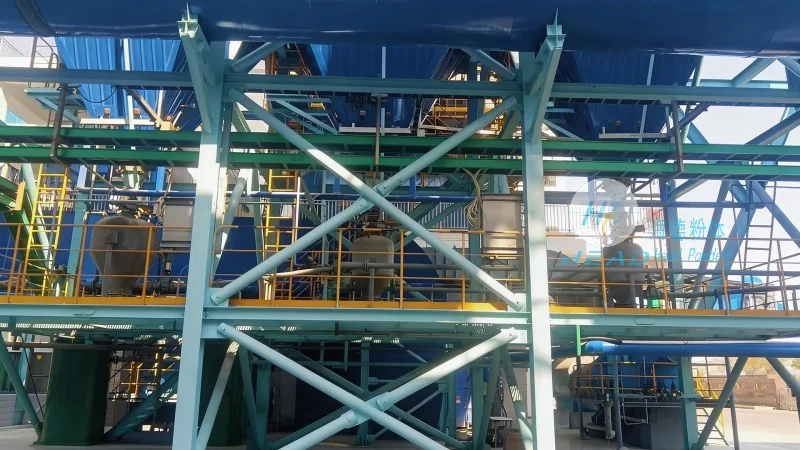
3. Vibratory Conveyors
Vibratory conveyors use vibrations to move alloy powders along a trough. The system consists of a conveyor bed that is vibrated at a specific frequency and amplitude, causing the powder to move forward. This method is effective for handling sticky or cohesive powders that might clog other types of conveyors. Vibratory conveyors are often used in applications where the powder needs to be mixed or blended as it is transported. The vibration helps to break up agglomerates and ensures a uniform flow. These systems are particularly useful for transporting powders with high moisture content or those that are prone to bridging in hoppers. The design of the vibratory conveyor, including the type of vibration (e.g., linear or circular) and the frequency, can be adjusted to optimize performance for different powder types. For example, in the production of metal powders for additive manufacturing, vibratory conveyors can help maintain a consistent particle size distribution and prevent the formation of clumps that could affect the quality of the final product. Vibratory conveyors are also energy-efficient and can be operated at lower speeds compared to other conveying methods, reducing wear on the equipment.
4. Belt Conveyors
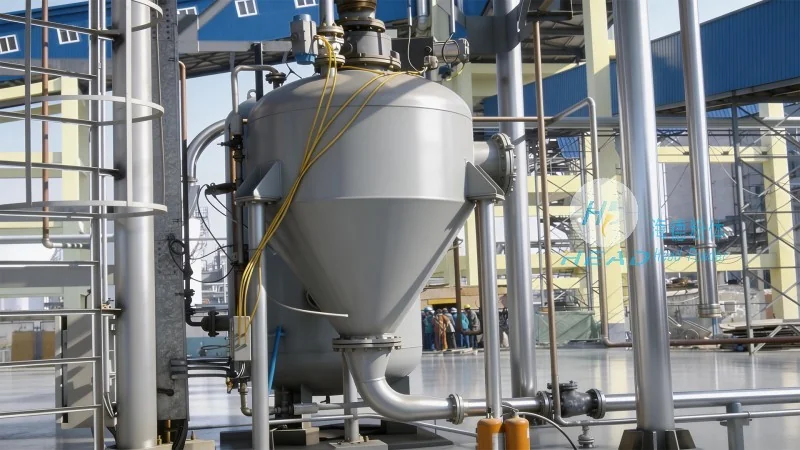
Belt conveyors are a traditional method for transporting bulk materials, including alloy powders. These systems use a continuous belt that moves over rollers or pulleys to carry the powder. Belt conveyors are suitable for both horizontal and inclined transport and can handle large volumes of material. They are commonly used in mining and metal processing industries where alloy powders are extracted or processed. The key to effective belt conveying is the proper selection of the belt material and the tensioning system. For alloy powders, a belt made of rubber or synthetic materials is often used to prevent contamination and ensure durability. The conveyor can be equipped with feeders or hoppers to control the flow rate and prevent overloading. Belt conveyors are relatively simple to install and maintain, making them a cost-effective solution for many applications. However, they may not be suitable for very fine or abrasive powders, as the belt can wear out quickly or cause material degradation. In such cases, alternative methods like pneumatic or screw conveyors may be preferred. For example, in the production of aluminum or copper alloy powders, belt conveyors are used to transport the finished product from the processing line to storage or packaging areas, ensuring a smooth and efficient workflow.

 Shandong Headpowder Engineering Co., Ltd.
 156-6277-7102(Quản lý Trương)
  0531-83386006
  Thành phố Tế Nam, Tỉnh Sơn Đông, Trung Quốc
Điện thoại
WeChatTư vấn
Lên đầu