Với hơn 10 năm kinh nghiệm về vận chuyển khí nén, Headpowder Sơn Đông cung cấp hệ thống, thiết bị và quạt gió toàn chuỗi, đảm nhận các dự án kỹ thuật bột trọn gói trên toàn quốc.
When it comes to the efficient and reliable transport of gypsum granules, selecting the right conveying method is crucial for industrial operations. Gypsum, a widely used material in construction and manufacturing, requires specialized handling to ensure safety, efficiency, and minimal material loss. This article explores the common methods used for gypsum powder conveying, highlighting the key considerations and applications for each approach.
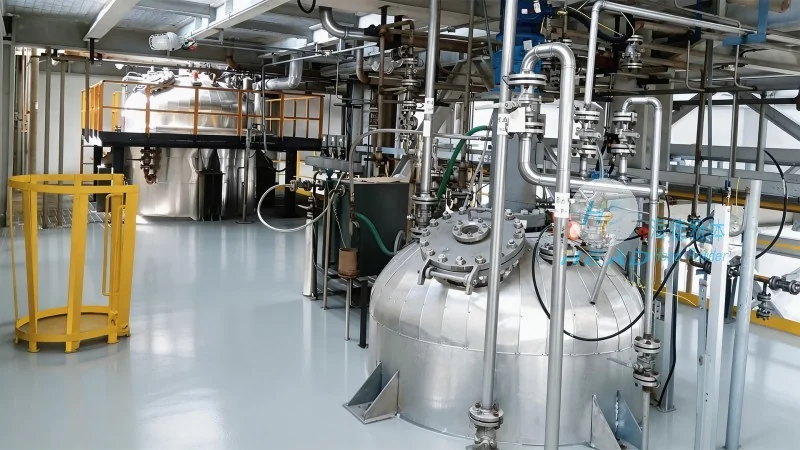
1. Air-Pressure Conveying Systems
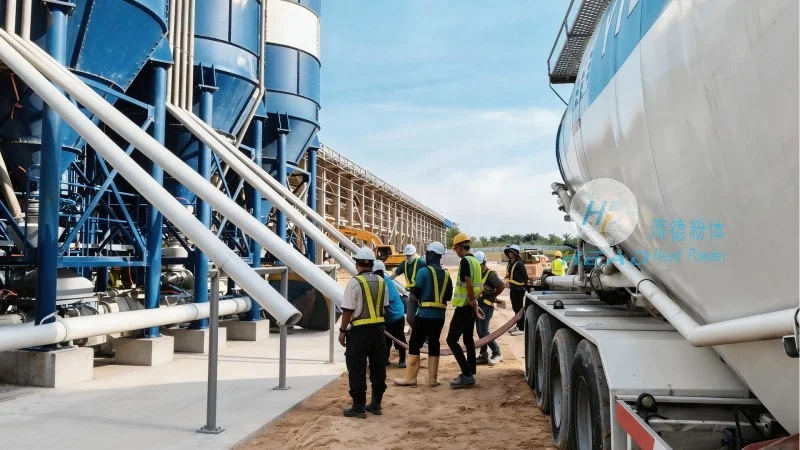
Air-pressure conveying, also known as pneumatic conveying, is one of the most popular methods for gypsum granule transport. This system utilizes compressed air to move the material through a pipeline. There are two primary types: positive pressure and negative pressure systems. Positive pressure systems blow air into the pipeline, propelling the gypsum forward, while negative pressure systems create a vacuum to draw the material. Air-pressure conveying is ideal for long-distance transport and can handle both dry and slightly moist gypsum. The key advantages include high capacity, low maintenance, and the ability to transport materials over significant distances without the need for multiple transfer points. However, it requires careful control of air pressure and flow rates to prevent material degradation or blockages. For companies like Shandong HeadPowder Engineering Co., Ltd., based in Shandong, China, air-pressure systems are often integrated with advanced control technologies to optimize performance and ensure consistent material flow. These systems may include variable frequency drives (VFDs) to adjust air pressure dynamically, reducing energy consumption and improving efficiency.
2. Screw Conveyors
Screw conveyors, or auger conveyors, are another common method for gypsum granule handling. These systems use a rotating screw to move material along a trough. Screw conveyors are particularly effective for horizontal or slightly inclined transport and are suitable for both dry and semi-dry gypsum. They are known for their simplicity, low cost, and ability to handle a wide range of material sizes. The screw's design, including the pitch and diameter, can be customized to match the specific characteristics of the gypsum, ensuring efficient transport. For example, a standard screw conveyor might use a helical screw with a moderate pitch to maintain material movement without excessive friction. Screw conveyors are often used in processing plants where the gypsum is being moved from storage to processing equipment. They are also easy to install and maintain, making them a preferred choice for many industrial applications. Shandong HeadPowder Engineering Co., Ltd. may utilize screw conveyors in their production lines to ensure smooth material transfer from raw gypsum to finished products, such as gypsum boards or plaster.
3. Belt Conveyors
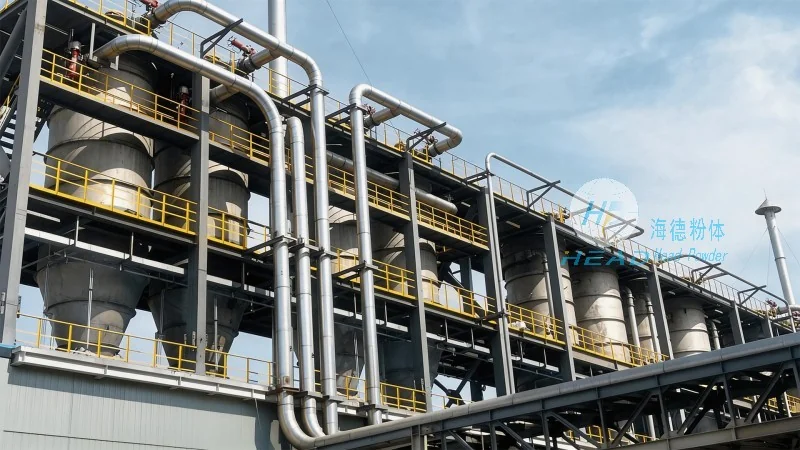
Belt conveyors are widely used for gypsum granule transport, especially in bulk handling operations. These systems consist of a continuous belt that moves over rollers, transporting the material from one point to another. Belt conveyors are highly effective for long-distance horizontal transport and can handle large volumes of gypsum. They are particularly suitable for applications where the material needs to be moved over uneven terrain or through multiple stages of processing. The belt material and tensioning system are critical factors in ensuring the longevity and efficiency of the conveyor. For instance, a heavy-duty rubber belt might be used to handle abrasive gypsum granules, reducing wear and tear. Belt conveyors also allow for easy integration with other equipment, such as feeders or screens, to create a comprehensive material handling system. Shandong HeadPowder Engineering Co., Ltd. may employ belt conveyors in their facilities to transport gypsum from storage silos to processing units, ensuring a continuous and reliable supply of material for their manufacturing processes.
4. Hydraulic Conveying
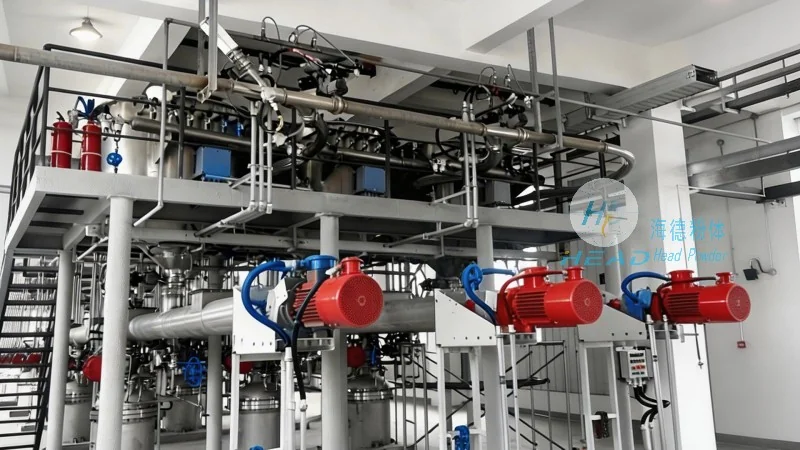
Hydraulic conveying systems use water or a slurry to transport gypsum granules. This method is particularly useful for handling wet or sticky gypsum, as the liquid helps to keep the material in suspension and prevent clogging. The system typically involves pumping the gypsum slurry through a pipeline and then separating the material from the water at the destination. Hydraulic conveying is effective for long-distance transport and can handle high volumes of material. However, it requires additional equipment for slurry preparation and separation, which can increase operational costs. The key advantage is the ability to transport wet gypsum without the need for drying, which can be beneficial in certain processing applications, such as the production of gypsum board where moisture content is carefully controlled. Shandong HeadPowder Engineering Co., Ltd. may use hydraulic conveying in processes where the gypsum is already in a slurry form, such as in the manufacturing of drywall or other building materials, ensuring efficient and consistent material transport.
5. Vibrating Conveyors
Vibrating conveyors use vibration to move gypsum granules along a trough. These systems consist of a conveyor bed that is vibrated at a specific frequency and amplitude, causing the material to move forward. Vibrating conveyors are effective for both horizontal and inclined transport and can handle a wide range of material sizes and moisture levels. They are particularly useful for transporting materials that are prone to bridging or caking, as the vibration helps to break up clumps and prevent blockages. The design of the vibrating mechanism, including the motor and mounting, is critical to ensuring consistent material flow. For example, a linear vibrating conveyor might use a motor-driven unbalance to generate the necessary vibration. Vibrating conveyors are often used in applications where the material needs to be moved gently, such as in food processing or pharmaceuticals, but are also suitable for industrial gypsum handling. Shandong HeadPowder Engineering Co., Ltd. may incorporate vibrating conveyors into their systems to ensure smooth transport of gypsum granules, especially when dealing with materials that have a tendency to stick together, thereby improving overall process efficiency and reducing downtime.

 Shandong Headpowder Engineering Co., Ltd.
 156-6277-7102(Quản lý Trương)
  0531-83386006
  Thành phố Tế Nam, Tỉnh Sơn Đông, Trung Quốc
Điện thoại
WeChatTư vấn
Lên đầu