Với hơn 10 năm kinh nghiệm về vận chuyển khí nén, Headpowder Sơn Đông cung cấp hệ thống, thiết bị và quạt gió toàn chuỗi, đảm nhận các dự án kỹ thuật bột trọn gói trên toàn quốc.
When it comes to the efficient handling and transportation of ABS granules, selecting the right conveying method is crucial for maintaining product quality and operational efficiency. As a leading provider in the field, Shandong HeadPowder Engineering Co., Ltd. specializes in delivering tailored solutions that address the unique challenges of ABS material handling. This article explores the common methods used for ABS granule conveying, highlighting their applications, advantages, and considerations for optimal performance.
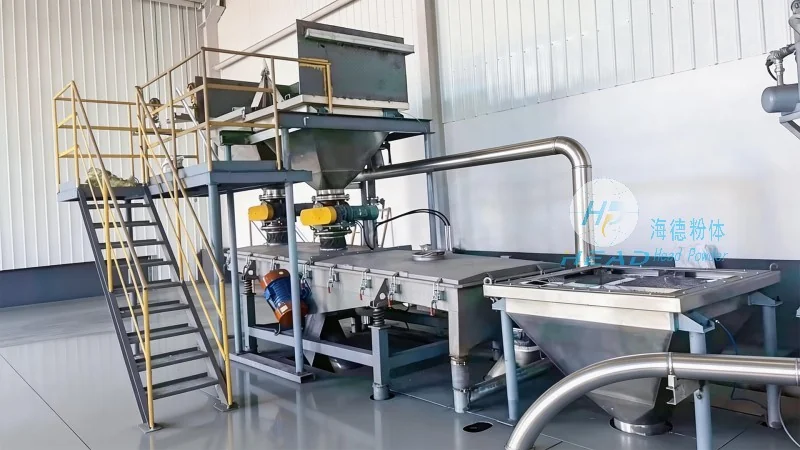
1. Screw Conveyors for ABS Granule Transport
Screw conveyors, also known as auger conveyors, are widely used in the ABS granule conveying process due to their simplicity and effectiveness. These systems consist of a rotating screw (auger) inside a tube or trough, which moves material forward through the rotation. For ABS granules, screw conveyors offer several benefits, including low maintenance requirements, the ability to operate in a closed system to prevent contamination, and the capacity to handle a wide range of particle sizes. The design of the screw, such as the pitch and diameter, can be customized to suit the specific characteristics of ABS granules, ensuring smooth and consistent transport. In industrial settings, screw conveyors are often integrated with other equipment like hoppers and feeders to create a seamless material flow. The use of corrosion-resistant materials, such as stainless steel, is essential when handling ABS granules to prevent any degradation or contamination from the conveyor components.
2. Pneumatic Conveying Systems for ABS Granules
Pneumatic conveying systems represent another common method for ABS granule transport, particularly in applications requiring long-distance or high-volume material movement. These systems utilize air or gas to transport granules through a pipeline network. There are two primary types of pneumatic conveying: pressure and vacuum systems. Pressure systems use compressed air to push the material forward, while vacuum systems use suction to draw the granules into the pipeline. For ABS granules, pneumatic conveying offers advantages like the ability to transport materials in a closed environment, reducing dust exposure and contamination risks. Additionally, these systems can handle abrasive materials without significant wear, making them suitable for long-term operation. The selection of the right pneumatic conveying system depends on factors such as the distance of transport, the volume of material, and the need for dust control. Proper design and maintenance of the system are critical to ensure reliable performance and prevent blockages or system failures.
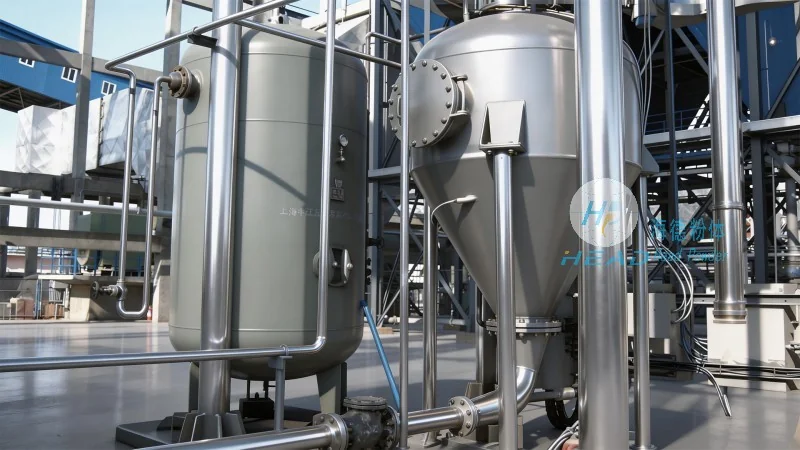
3. Vibratory Conveyors for ABS Granule Handling
Vibratory conveyors are an effective solution for ABS granule conveying, especially when dealing with materials that are prone to bridging or caking. These systems use vibrations to move granules along a trough or conveyor bed. The vibration is typically generated by an electric motor with an unbalanced weight, which creates a sinusoidal motion. This motion helps to break up any agglomerates in the ABS granules and prevents material from settling or bridging in the conveyor. Vibratory conveyors are particularly useful for handling fine or cohesive materials like ABS, as they ensure consistent flow and reduce the risk of blockages. The design of the vibratory conveyor, including the frequency and amplitude of the vibration, can be adjusted to match the specific properties of the ABS granules. This adaptability makes vibratory conveyors a versatile choice for various industrial applications. Additionally, these systems are relatively low-maintenance and can be integrated with other processing equipment, such as mixers or extruders, to create a streamlined production line.
4. Belt Conveyors for Bulk ABS Granule Transport
Belt conveyors are a classic and widely used method for transporting bulk ABS granules over short to medium distances. These systems consist of a continuous belt that moves over rollers or a flat surface, carrying the granules from one point to another. Belt conveyors are known for their high capacity and ability to handle large volumes of material efficiently. For ABS granules, belt conveyors offer advantages like the ability to transport materials in an open or enclosed environment, depending on the application. The belt material, such as rubber or PVC, can be selected to prevent material adhesion and ensure smooth movement. Additionally, belt conveyors can be equipped with side walls or load zones to contain the granules and prevent spillage. The speed and inclination of the conveyor can be adjusted to optimize the transport process, ensuring that the ABS granules are moved safely and effectively. Belt conveyors are particularly suitable for applications where the material needs to be transported to a processing unit or storage area, as they provide a reliable and continuous flow.
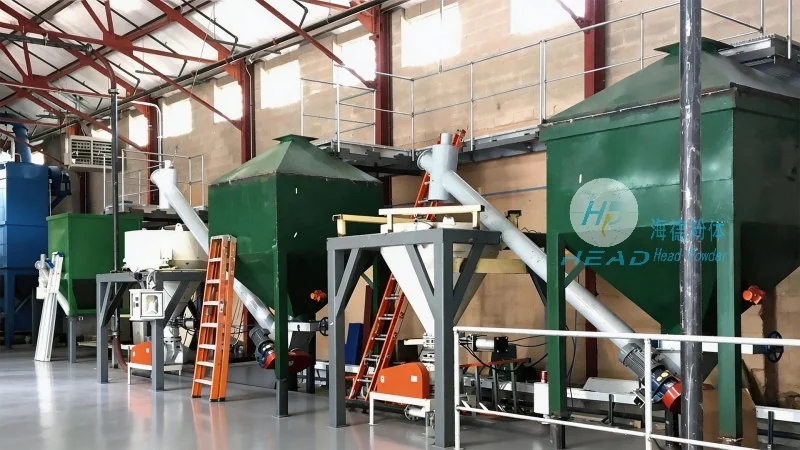
5. Bucket Elevators for Vertical ABS Granule Transport
Bucket elevators are essential for vertical ABS granule transport, especially in applications where the material needs to be lifted to a higher elevation. These systems consist of a vertical or inclined conveyor with buckets attached to a chain or belt. The buckets are filled with ABS granules at the bottom and then lifted to the top, where the material is discharged. Bucket elevators offer several advantages for ABS granule handling, including high lifting capacity, the ability to transport materials vertically over long distances, and the capability to handle abrasive or heavy materials. The design of the bucket elevator, such as the bucket size and spacing, can be customized to suit the specific characteristics of the ABS granules, ensuring efficient transport. Additionally, bucket elevators are equipped with safety features like emergency stop mechanisms and overload protection to prevent accidents and system damage. These systems are particularly useful in industrial settings where vertical space is limited or where the material needs to be elevated to a processing unit or storage area.
6. Combined Conveying Systems for Complex ABS Granule Handling
In many industrial applications, a single conveying method may not be sufficient to handle the complexities of ABS granule transport. This is where combined conveying systems come into play, integrating multiple technologies to create a comprehensive solution. For example, a system might combine a screw conveyor for initial transport with a pneumatic conveyor for long-distance movement, or a vibratory conveyor for fine material handling with a belt conveyor for bulk transport. These combined systems offer the flexibility to address various challenges, such as material bridging, long-distance transport, or high-volume handling. The integration of different conveying methods allows for a more efficient and reliable material flow, reducing downtime and improving overall productivity. Shandong HeadPowder Engineering Co., Ltd. specializes in designing and manufacturing these combined systems, ensuring that they meet the specific needs of each client. By leveraging the strengths of multiple technologies, these systems provide a robust solution for complex ABS granule handling, ensuring optimal performance and product quality.

 Shandong Headpowder Engineering Co., Ltd.
 156-6277-7102(Quản lý Trương)
  0531-83386006
  Thành phố Tế Nam, Tỉnh Sơn Đông, Trung Quốc
Điện thoại
WeChatTư vấn
Lên đầu