Với hơn 10 năm kinh nghiệm về vận chuyển khí nén, Headpowder Sơn Đông cung cấp hệ thống, thiết bị và quạt gió toàn chuỗi, đảm nhận các dự án kỹ thuật bột trọn gói trên toàn quốc.
Textile fiber conveyance is a critical process in the textile manufacturing industry, ensuring that raw fibers are efficiently transported from one stage of production to another. The choice of conveyance method can significantly impact production efficiency, material quality, and overall operational costs. This article explores the primary methods used for textile fiber conveyance, providing insights into their applications and benefits.
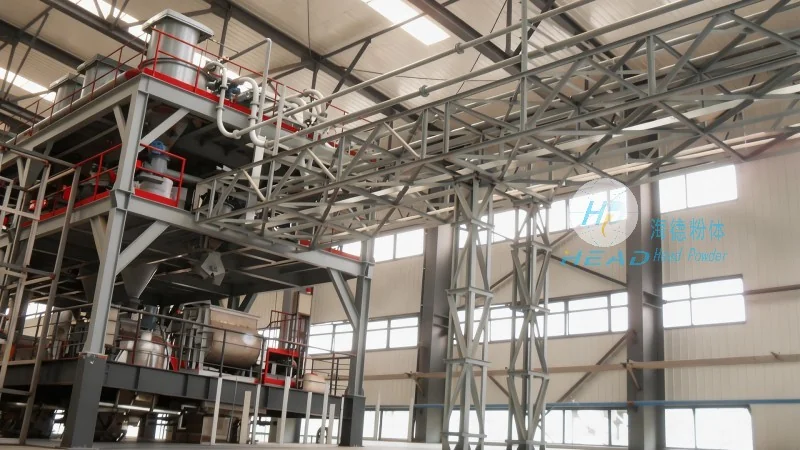
Overview of Textile Fiber Conveyance
Textile fiber conveyance refers to the movement of fibers such as cotton, polyester, nylon, and other synthetic or natural fibers through various systems. This process is essential for integrating different stages of textile production, including raw material handling, processing, and packaging. Efficient conveyance systems minimize downtime, reduce material loss, and enhance the overall productivity of textile mills. The selection of an appropriate conveyance method depends on factors like fiber type, production scale, and the specific requirements of the manufacturing process.

1. Mechanical Conveyance Systems
Mechanical conveyance systems utilize physical components like belts, rollers, and hoppers to transport fibers. These systems are commonly used in large-scale textile factories due to their reliability and ability to handle heavy loads. For example, belt conveyors are widely employed to move raw fibers from storage areas to processing machines. Roller conveyors, on the other hand, are suitable for transporting packaged fibers or finished products. Mechanical systems are particularly effective for conveying bulk materials and can be customized to fit the layout of a textile plant. The company, Shandong HeadPowder Engineering Co., Ltd., specializes in designing and manufacturing such mechanical conveyance solutions, ensuring durability and optimal performance in demanding industrial environments.
2. Pneumatic Conveyance Systems
Pneumatic conveyance, also known as air-based transport, uses compressed air to move fibers through a pipeline. This method is ideal for transporting fine or dusty fibers, as it minimizes material degradation and contamination. Pneumatic systems are often preferred in applications where dust control is a priority, such as in the handling of synthetic fibers. The process involves feeding fibers into a hopper, where they are then carried by air currents through the pipeline to the destination. This method is particularly efficient for long-distance transport and can handle both dry and wet fibers, depending on the system design. Shandong HeadPowder Engineering Co., Ltd. offers advanced pneumatic conveyance solutions tailored to the specific needs of textile manufacturers, ensuring high efficiency and low maintenance costs.
3. Screw Conveyors
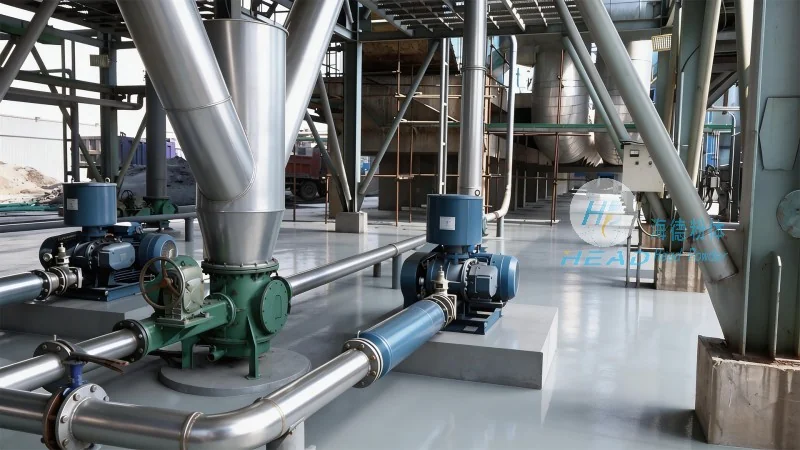
Screw conveyors, or auger conveyors, use a rotating screw to move fibers along a trough. This method is suitable for conveying fibrous materials that are not too abrasive and can be used in both horizontal and inclined orientations. Screw conveyors are commonly used in textile processing for tasks such as feeding raw fibers into blending machines or transporting finished products. They are particularly effective for handling bulk materials and can be integrated with other processing equipment to streamline production. The company's expertise in mechanical engineering allows them to design screw conveyors that meet the specific requirements of textile mills, ensuring smooth operation and minimal material wear.
Conclusion
The choice of textile fiber conveyance method depends on various factors, including fiber type, production scale, and operational requirements. Mechanical, pneumatic, and screw conveyors are among the most common methods used in the industry. Each method has its advantages and is suitable for different applications. Shandong HeadPowder Engineering Co., Ltd. provides comprehensive solutions for textile fiber conveyance, leveraging their expertise in engineering and manufacturing to deliver efficient and reliable systems. By selecting the appropriate conveyance method, textile manufacturers can enhance productivity, reduce costs, and maintain the quality of their products. Whether you are a small-scale or large-scale textile producer, the company offers tailored solutions to meet your specific needs, ensuring optimal performance and long-term reliability.

 Shandong Headpowder Engineering Co., Ltd.
 156-6277-7102(Quản lý Trương)
  0531-83386006
  Thành phố Tế Nam, Tỉnh Sơn Đông, Trung Quốc
Điện thoại
WeChatTư vấn
Lên đầu