Với hơn 10 năm kinh nghiệm về vận chuyển khí nén, Headpowder Sơn Đông cung cấp hệ thống, thiết bị và quạt gió toàn chuỗi, đảm nhận các dự án kỹ thuật bột trọn gói trên toàn quốc.
When it comes to the efficient and reliable transport of cement additives, selecting the right method is crucial for maintaining production quality and operational efficiency. Various techniques are employed in the industry, each with its own advantages and specific applications. Understanding these options helps businesses choose the most suitable solution for their needs.
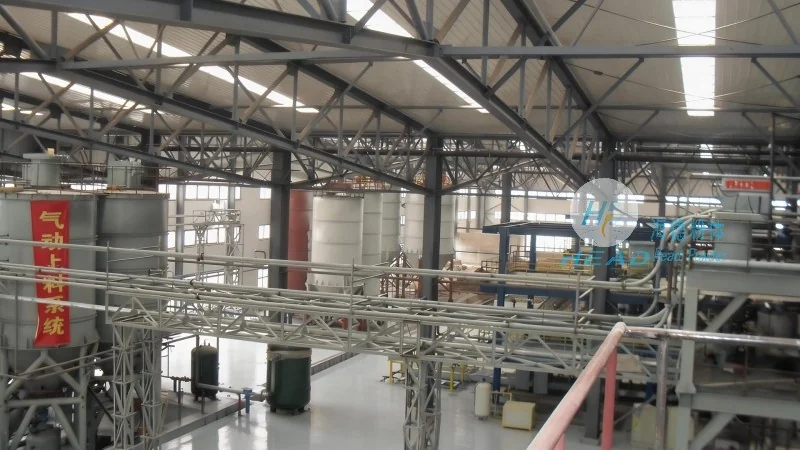
Key Considerations in Cement Additive Transport
Before delving into specific transport methods, it's essential to consider factors that influence the choice of system. These include the type and properties of the additive (such as particle size, moisture content, and bulk density), the distance over which it needs to be transported, and the required flow rate. Additionally, environmental considerations and space constraints in the facility can also play a role in determining the optimal transport method.
Pipeline Conveying Systems
Pipeline conveying, also known as pneumatic or hydraulic conveying, is a widely used method for transporting cement additives. This system involves moving materials through a network of pipes using air or pressure. For dry additives, pneumatic systems are particularly effective, as they can handle fine powders and prevent dust contamination. The process typically involves a hopper where the additive is loaded, a blower that generates the airflow, and a receiver where the material is deposited. This method is suitable for short to medium distances and can achieve high flow rates, making it ideal for continuous production lines.
Screw Conveyors
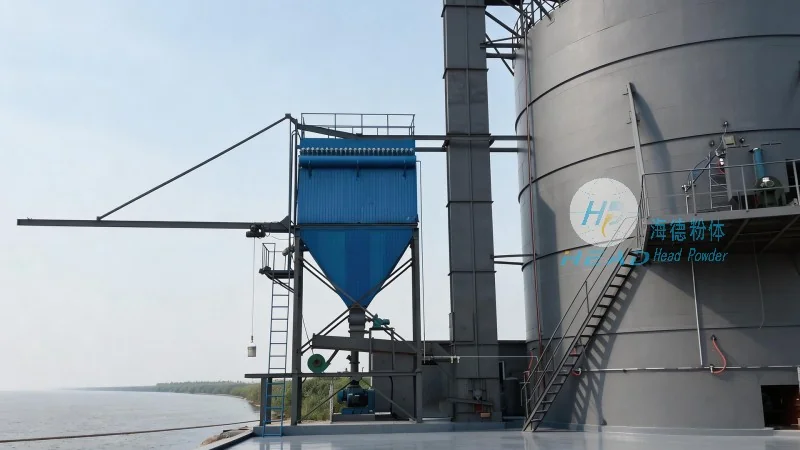
Screw conveyors, or auger conveyors, are another common solution for transporting cement additives. These systems use a rotating screw within a tube to move materials forward. Screw conveyors are particularly effective for handling bulk materials with moderate to high bulk density and are often used for horizontal or slightly inclined transport. They are relatively simple in design, requiring minimal maintenance, and can be easily integrated into existing production facilities. However, they may not be suitable for very fine powders, as the screw can cause excessive friction and heat generation, potentially affecting the additive's quality.
Pneumatic and Hydraulic Conveying Variations
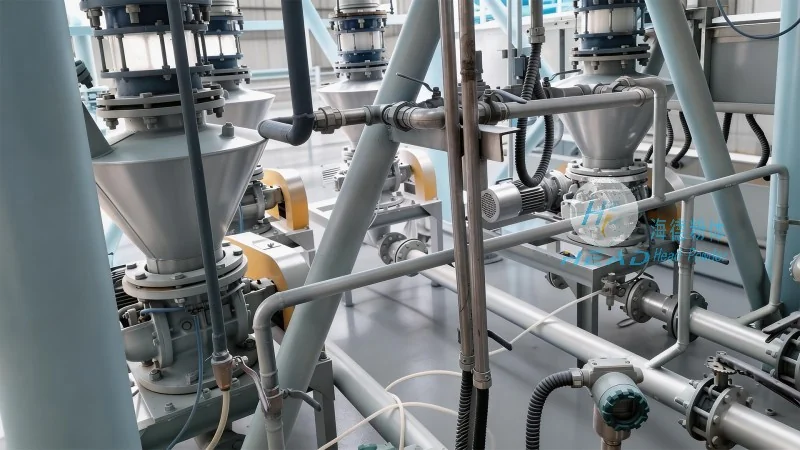
Within the broader category of pneumatic conveying, there are different variations tailored to specific additive characteristics. For example, dense-phase conveying uses lower air velocities and higher material concentrations to minimize particle degradation and prevent blockages. This method is ideal for transporting sensitive additives that require gentle handling. On the other hand, dilute-phase conveying is more suitable for lighter materials or when longer distances need to be covered, as it relies on higher air velocities to move the material through the pipeline.
Application-Specific Transport Solutions
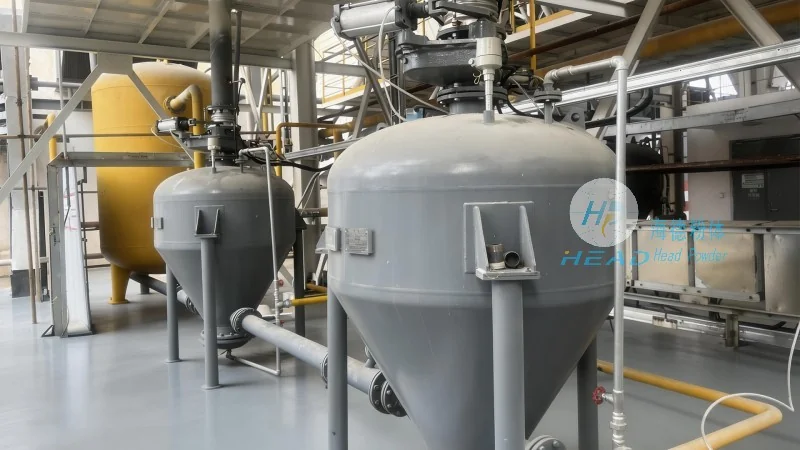
The choice of transport method often depends on the specific application of the cement additive. For instance, in the production of concrete admixtures, where precise dosing is critical, a combination of screw conveyors and metering pumps may be used to ensure accurate delivery. Similarly, in the handling of fly ash or slag, which are often used as supplementary cementitious materials, specialized systems such as bucket elevators or belt conveyors may be employed to transport these materials from storage silos to the mixing plant.
HeadPowder Engineering's Expertise in Cement Additive Transport
Shandong HeadPowder Engineering Co., Ltd., a leading provider of industrial solutions, specializes in designing and implementing customized transport systems for cement additives. With years of experience in the industry, HeadPowder understands the unique challenges associated with handling various types of additives and has developed innovative solutions to address them. The company's engineers work closely with clients to assess their specific requirements, including material properties, production volumes, and facility layout, to recommend the most efficient and cost-effective transport method. Whether it's a new plant setup or an upgrade to an existing system, HeadPowder offers comprehensive services, from initial design and engineering to installation and maintenance, ensuring that clients achieve optimal performance and reliability in their cement additive transport operations.
Conclusion
In conclusion, the transport of cement additives requires careful consideration of various factors, including material properties, distance, and operational needs. By selecting the appropriate method—such as pipeline conveying, screw conveyors, or specialized pneumatic systems—businesses can ensure the efficient and reliable handling of their additives. Companies like Shandong HeadPowder Engineering Co., Ltd. play a vital role in providing tailored solutions that meet these needs, helping to enhance production efficiency and maintain product quality in the cement industry.

 Shandong Headpowder Engineering Co., Ltd.
 156-6277-7102(Quản lý Trương)
  0531-83386006
  Thành phố Tế Nam, Tỉnh Sơn Đông, Trung Quốc
Điện thoại
WeChatTư vấn
Lên đầu