Với hơn 10 năm kinh nghiệm về vận chuyển khí nén, Headpowder Sơn Đông cung cấp hệ thống, thiết bị và quạt gió toàn chuỗi, đảm nhận các dự án kỹ thuật bột trọn gói trên toàn quốc.
When it comes to the efficient and reliable transfer of powdered medicines, various methods are employed in pharmaceutical manufacturing and processing. These methods are designed to ensure that the active ingredients are handled with precision, maintaining their integrity and effectiveness throughout the production process. Understanding the different approaches to powder delivery is crucial for pharmaceutical companies aiming to optimize their operations and meet regulatory standards.
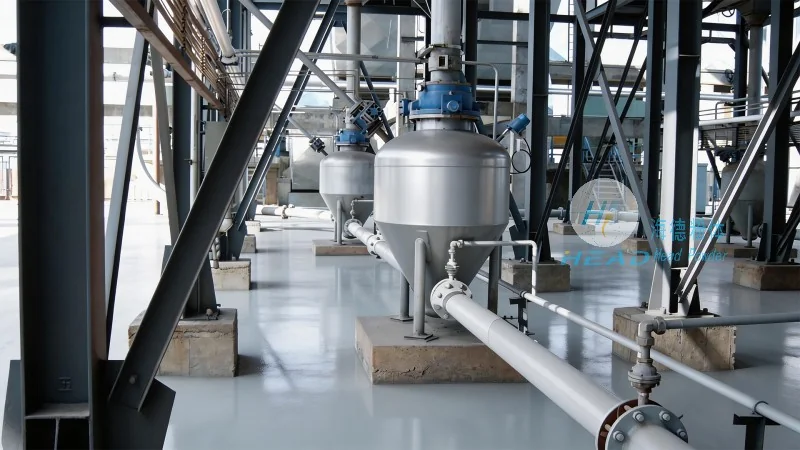
Common Powder Delivery Techniques
One of the primary methods used for powder delivery is the use of pneumatic conveying systems. These systems utilize air or other gases to transport powders through pipelines. There are two main types of pneumatic conveying: pressure and vacuum systems. Pressure systems push the powder forward using compressed air, while vacuum systems draw the powder into the system using a vacuum. Both methods are effective for different applications, depending on the powder characteristics and the distance it needs to be transported.
In the context of pharmaceuticals, the choice of pneumatic conveying often depends on factors such as the powder's moisture content, particle size, and flowability. For example, pressure conveying is commonly used for materials that are free-flowing and have low moisture content, while vacuum conveying may be preferred for more cohesive or hygroscopic powders. The selection of the right pneumatic system ensures that the powder is transferred without degradation, which is critical for maintaining the quality of the final drug product.
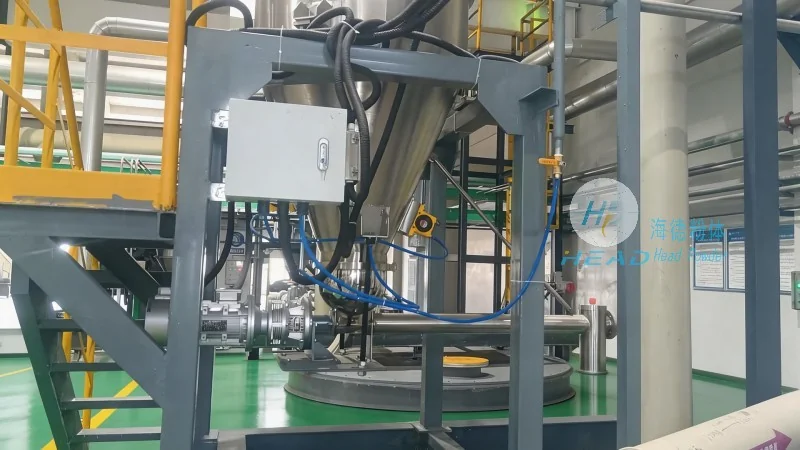
Mechanical Conveying Systems
Another widely used method for powder delivery is mechanical conveying. This approach involves the use of equipment such as screw conveyors, belt conveyors, and bucket elevators. Screw conveyors are particularly popular in pharmaceutical processing due to their ability to handle a wide range of powder types, including those that are abrasive or have varying particle sizes. The screw mechanism rotates within a tube, pushing the powder forward in a continuous manner. This method is often chosen for its simplicity and reliability, making it suitable for both small-scale and large-scale production environments.
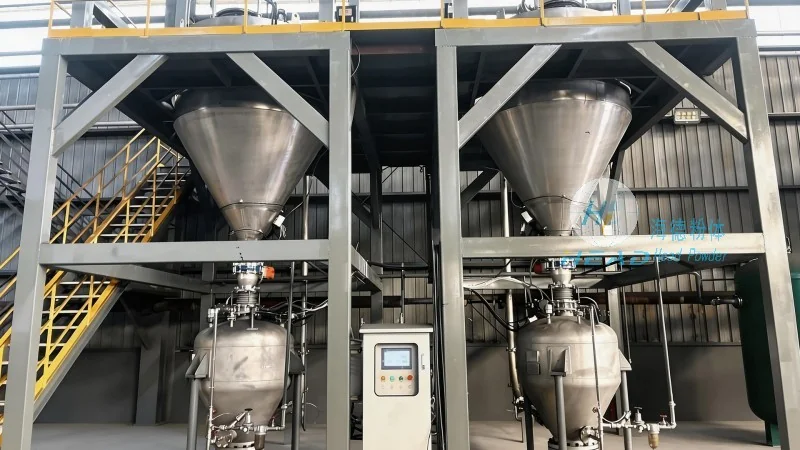
Belt conveyors, on the other hand, are ideal for transporting larger quantities of powder over longer distances. They consist of a continuous belt that moves the powder along a path, often supported by rollers. This method is particularly effective for materials that are prone to bridging or caking, as the belt provides a smooth surface that prevents the powder from sticking. For pharmaceutical applications, the belts are typically made of materials that are food-grade and easy to clean, ensuring compliance with GMP (Good Manufacturing Practice) regulations.
Specialized Delivery Solutions
For more specialized applications, pharmaceutical companies may opt for customized powder delivery solutions. These solutions are tailored to meet specific production requirements, such as handling sensitive or temperature-sensitive powders. For instance, some companies use enclosed conveyor systems that minimize dust exposure and maintain a controlled environment. This is particularly important for powders that are prone to contamination or that require specific humidity levels to prevent degradation.
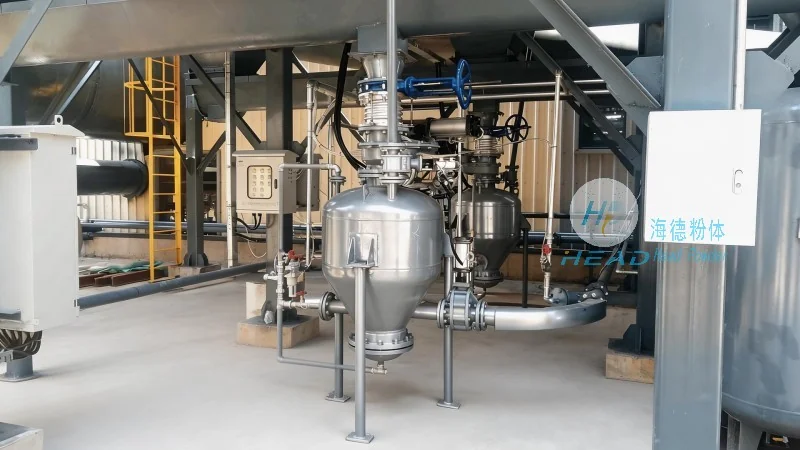
Additionally, some advanced systems incorporate features like inline mixing or blending to ensure that the powder is uniformly distributed before it is delivered to the next stage of production. These integrated solutions not only improve efficiency but also enhance product consistency, which is essential for pharmaceutical products where uniformity is critical for patient safety and efficacy.
About HeadPowder Engineering
HeadPowder Engineering, a leading provider of powder handling solutions, specializes in designing and manufacturing equipment for the pharmaceutical industry. With a focus on innovation and quality, the company has established itself as a trusted partner for pharmaceutical manufacturers worldwide. HeadPowder's products are engineered to meet the stringent requirements of GMP and other regulatory standards, ensuring that they are suitable for handling sensitive and high-value pharmaceutical powders.
HeadPowder Engineering is headquartered in Shandong, China, and serves clients globally. The company's commitment to excellence is reflected in its state-of-the-art manufacturing facilities and rigorous quality control processes. By leveraging advanced technology and industry expertise, HeadPowder provides tailored solutions that address the unique challenges faced by pharmaceutical companies in powder delivery and processing.

 Shandong Headpowder Engineering Co., Ltd.
 156-6277-7102(Quản lý Trương)
  0531-83386006
  Thành phố Tế Nam, Tỉnh Sơn Đông, Trung Quốc
Điện thoại
WeChatTư vấn
Lên đầu