Với hơn 10 năm kinh nghiệm về vận chuyển khí nén, Headpowder Sơn Đông cung cấp hệ thống, thiết bị và quạt gió toàn chuỗi, đảm nhận các dự án kỹ thuật bột trọn gói trên toàn quốc.
Efficient and reliable rice grain conveying is a critical aspect of modern grain processing and handling operations. The proper selection of conveying methods ensures minimal loss, reduced contamination risk, and optimal performance in rice handling facilities. This article explores various methods used for transporting rice grains, highlighting the key factors that influence the choice of conveying system.
Overview of Rice Grain Conveying Systems
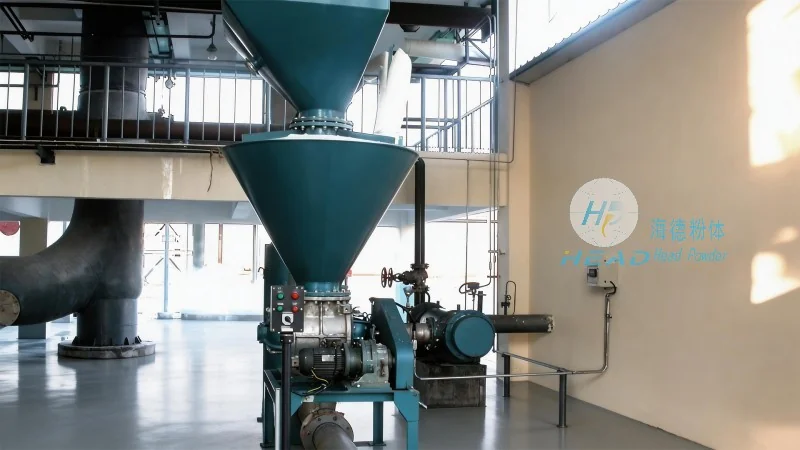
Rice grain conveying systems are designed to move rice from one point to another within processing plants, storage facilities, or during transportation. The choice of conveying method depends on several factors, including the volume of rice to be handled, the distance to be covered, the required speed, and the specific characteristics of the rice grain itself. Common conveying methods include mechanical systems like belt conveyors, screw conveyors, and bucket elevators, as well as pneumatic systems such as pneumatic conveyors and air slides.
1. Belt Conveyors for Rice Grain Transport
Belt conveyors are widely used in rice processing due to their ability to handle large volumes of rice grains with minimal damage. These systems consist of a continuous belt that moves over rollers or pulleys, transporting rice from the inlet to the outlet. The belt can be made of various materials, such as rubber or PVC, to ensure durability and resistance to moisture and abrasion. Belt conveyors are particularly effective for horizontal or slightly inclined transport, making them suitable for moving rice from storage silos to processing lines or for transporting rice to packaging areas. The smooth surface of the belt minimizes friction and prevents the rice grains from being crushed or broken during transport. Additionally, belt conveyors can be equipped with adjustable speed controls and load sensors to optimize the conveying process and prevent overloading.
2. Screw Conveyors for Rice Grain Handling
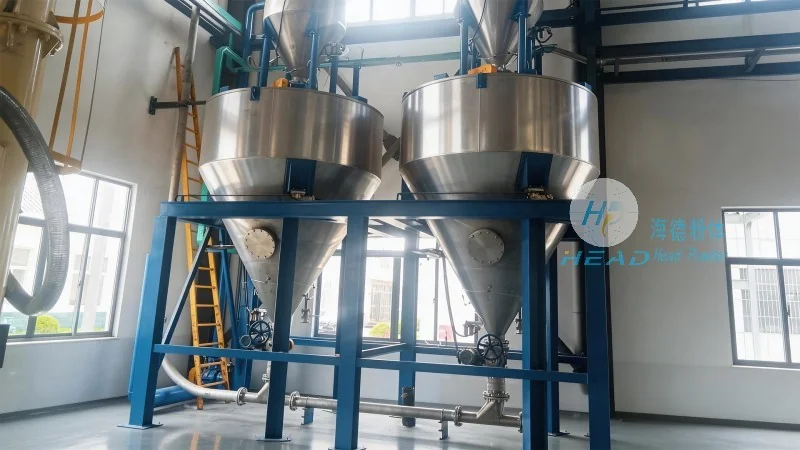
Screw conveyors, also known as auger conveyors, are another popular method for transporting rice grains. These systems use a rotating screw (auger) to push rice along a trough or tube. The screw's rotation creates a positive displacement, moving the rice from the inlet to the outlet. Screw conveyors are ideal for vertical or inclined transport, allowing rice to be lifted from lower to higher levels without the need for additional equipment. They are particularly useful in processing plants where space is limited or where the rice needs to be elevated to a higher processing stage. The screw's design can be customized to handle different rice types, with varying pitch and diameter to control the conveying speed and capacity. Screw conveyors are also capable of mixing or blending rice with other ingredients during transport, which is beneficial for certain processing applications. However, it is important to note that screw conveyors may cause some friction and heat generation, which could affect the quality of the rice if not properly managed.
3. Bucket Elevators for Vertical Rice Grain Transport
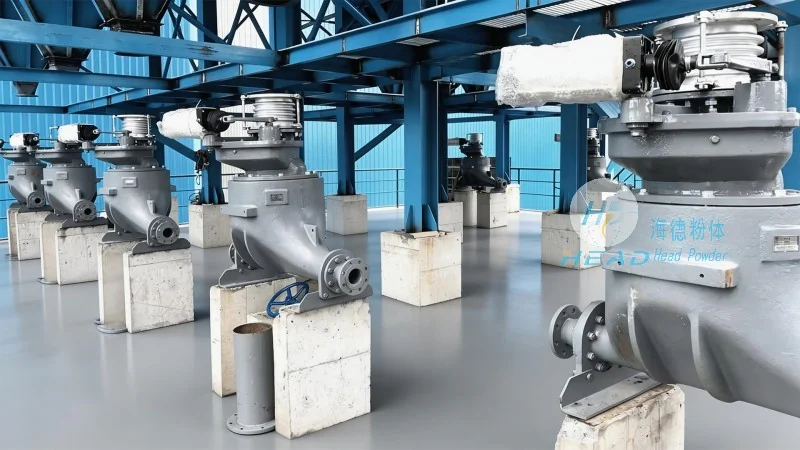
Bucket elevators are specialized equipment used for vertical transport of rice grains. These systems consist of a vertical or inclined conveyor with a series of buckets attached to a chain or belt. As the buckets move up the conveyor, they scoop up rice from the bottom and discharge it at the top. Bucket elevators are highly efficient for vertical transport over long distances, making them suitable for moving rice from storage bins to processing areas or for transporting rice to higher storage levels. They are capable of handling large volumes of rice with minimal power consumption and are relatively maintenance-free compared to other vertical conveying systems. The buckets are designed to be sturdy and durable, capable of withstanding the impact of rice grains without breaking or deforming. Additionally, bucket elevators can be equipped with safety features such as overload protection and emergency stop mechanisms to ensure safe operation. However, bucket elevators may require more space than other conveying systems and may not be suitable for very fine or delicate rice varieties that could be damaged by the impact of the buckets.
4. Pneumatic Conveyors for Rice Grain Handling
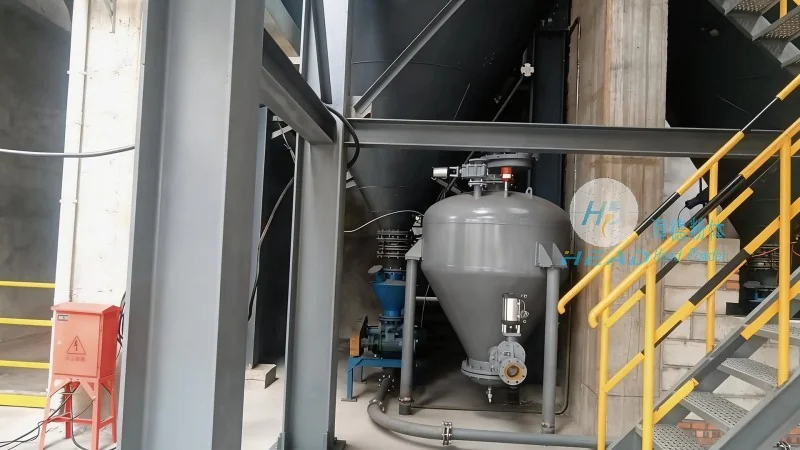
Pneumatic conveyors use air pressure to transport rice grains through a pipeline system. These systems consist of a blower or fan that generates airflow, which carries the rice grains through a series of pipes. Pneumatic conveyors are particularly effective for handling fine or delicate rice grains that are susceptible to damage from mechanical contact. They are also suitable for long-distance transport, as the rice can be conveyed through a network of pipes without the need for multiple transfer points. The airflow can be controlled to adjust the conveying speed and capacity, ensuring that the rice grains are transported safely and efficiently. Pneumatic conveyors are commonly used in processing plants for transporting rice from the milling stage to packaging areas or for moving rice between different processing lines. However, they require a higher power input compared to mechanical conveying systems and may generate more dust, which can affect the quality of the rice if not properly filtered. Additionally, the system may need regular maintenance to ensure the proper functioning of the blower and the cleanliness of the pipes.
5. Air Slides for Rice Grain Conveying
Air slides, also known as vibratory conveyors, are a type of pneumatic conveyor that uses a combination of air and vibration to move rice grains. These systems consist of a flat or inclined conveyor surface that is vibrated by an electric motor, while air is blown through the surface to create a low-pressure zone. The rice grains are lifted and moved along the surface by the combination of vibration and air flow. Air slides are particularly effective for horizontal or slightly inclined transport, making them suitable for moving rice from one processing stage to another or for transporting rice to packaging machines. They are capable of handling a wide range of rice types, including whole grains, broken grains, and rice bran. Air slides are also relatively low-cost and easy to install, making them a popular choice for small to medium-sized rice processing facilities. However, they may not be as efficient as other conveying systems for large volumes of rice and may require more space than other options. Additionally, the vibration and air flow may cause some rice grains to be separated or sorted during transport, which can be beneficial for certain processing applications.
Factors Influencing the Choice of Rice Grain Conveying Method
The selection of the most appropriate rice grain conveying method depends on several key factors. The first factor is the volume of rice to be handled, as larger volumes may require more robust and high-capacity systems such as belt conveyors or pneumatic conveyors. The second factor is the distance to be covered, as vertical transport may require bucket elevators or screw conveyors, while horizontal transport may be better suited to belt conveyors or air slides. The third factor is the required speed, as some applications may need high-speed transport to meet production demands, while others may require slower, more gentle transport to preserve the quality of the rice. The fourth factor is the characteristics of the rice grain itself, as different rice varieties may have different sizes, shapes, and densities, which can affect the choice of conveying system. For example, delicate rice grains may require pneumatic conveyors or air slides to avoid damage, while larger or heavier grains may be better suited to mechanical systems like belt conveyors or screw conveyors. Additionally, the available space and budget constraints may also influence the choice of conveying method, as some systems may require more space or higher initial investment than others.

 Shandong Headpowder Engineering Co., Ltd.
 156-6277-7102(Quản lý Trương)
  0531-83386006
  Thành phố Tế Nam, Tỉnh Sơn Đông, Trung Quốc
Điện thoại
WeChatTư vấn
Lên đầu