Với hơn 10 năm kinh nghiệm về vận chuyển khí nén, Headpowder Sơn Đông cung cấp hệ thống, thiết bị và quạt gió toàn chuỗi, đảm nhận các dự án kỹ thuật bột trọn gói trên toàn quốc.
Understanding the various methods of glucose delivery is crucial for effective management in medical and nutritional contexts. Glucose, a primary energy source for the body, must be delivered efficiently to meet physiological needs. This article explores the different approaches used for glucose delivery, highlighting the key aspects of each method and the role of specialized equipment in optimizing delivery processes.
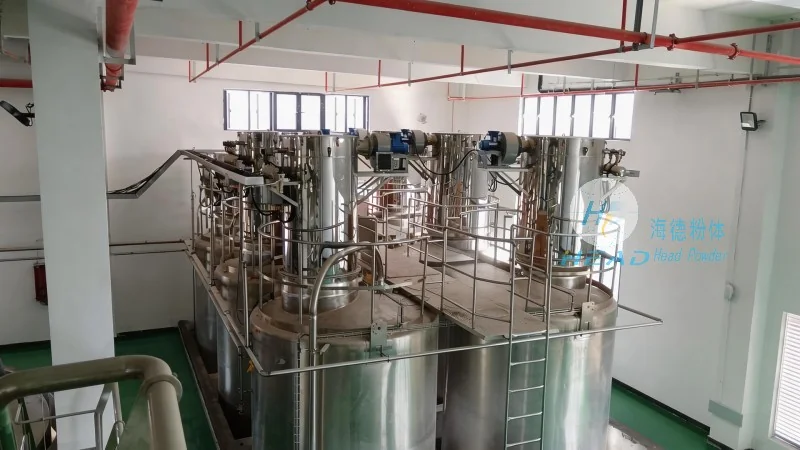
Overview of Glucose Delivery Systems
Glucose delivery systems are designed to ensure that glucose is delivered to the body in a controlled and safe manner. These systems vary in complexity and application, catering to different patient needs and clinical scenarios. The choice of delivery method depends on factors such as the patient's condition, the required glucose concentration, and the desired rate of administration. In this context, companies like Shandong HeadPowder Engineering Co., Ltd., known as HeadPowder, play a vital role in providing advanced solutions for glucose delivery, ensuring precision and reliability in medical applications.
Common Glucose Delivery Methods
Several methods are commonly used for glucose delivery, each with its own advantages and specific use cases. The primary methods include intravenous (IV) infusion, oral administration, subcutaneous injection, and enteral feeding. Each method has distinct characteristics that make it suitable for different situations. For instance, IV infusion is often used in hospital settings for rapid glucose administration, while oral methods are preferred for outpatient or home care. Subcutaneous delivery is typically employed for patients requiring continuous glucose monitoring and delivery, such as those with diabetes. Enteral feeding, on the other hand, involves delivering glucose through a tube directly into the digestive tract, commonly used for patients who cannot consume food orally.
Intravenous Glucose Infusion
Intravenous glucose infusion is a widely used method for delivering glucose directly into the bloodstream. This approach allows for rapid absorption and immediate availability of glucose to the body's cells. The process involves administering a glucose solution through a vein, typically using a syringe pump or an infusion pump to control the rate of delivery. The concentration of the glucose solution can vary, with standard solutions being 5% or 10% dextrose in water. The choice of concentration depends on the patient's metabolic status and the rate of glucose required. For example, a 5% solution is often used for maintenance, while a 10% solution may be employed for patients with higher glucose needs or in emergency situations. The equipment used for IV glucose delivery, such as infusion pumps and administration sets, must meet strict quality and safety standards to ensure accurate delivery and prevent complications like hypoglycemia or hyperglycemia. Companies like HeadPowder specialize in manufacturing and supplying high-quality infusion equipment, including pumps and tubing, that are designed to deliver precise glucose concentrations and rates, thereby enhancing patient outcomes.

Oral Glucose Administration
Oral glucose administration is a non-invasive method that involves consuming glucose in the form of tablets, lozenges, or syrups. This method is commonly used for patients who need a quick boost of glucose, such as individuals with hypoglycemia or those undergoing physical exertion. Oral glucose products are often formulated to be rapidly absorbed, with some formulations designed to dissolve quickly in the mouth or be swallowed easily. The dosage and frequency of oral glucose administration depend on the patient's condition and the severity of the glucose deficit. For instance, in cases of mild hypoglycemia, a small amount of oral glucose may be sufficient, while more severe cases may require larger doses or additional interventions. Oral glucose delivery is particularly beneficial for patients who are unable or unwilling to undergo invasive procedures, providing a convenient and accessible option for glucose supplementation. However, it is important to note that oral administration may not be suitable for all patients, especially those with severe digestive issues or those requiring rapid glucose correction.
Subcutaneous Glucose Delivery
Subcutaneous glucose delivery involves administering glucose directly into the subcutaneous tissue, usually using an insulin syringe or an insulin pump. This method is commonly used for patients with diabetes who require regular insulin or glucose administration. The subcutaneous route allows for the slow and steady release of glucose, mimicking the body's natural glucose absorption from the digestive tract. The equipment used for subcutaneous delivery includes insulin syringes, pens, and insulin pumps, which are designed to deliver precise doses of glucose or insulin. The choice of delivery device depends on the patient's preferences, lifestyle, and the frequency of administration. For example, insulin pens are often preferred for their convenience and ease of use, while insulin pumps provide more continuous and adjustable delivery. Subcutaneous glucose delivery is particularly effective for patients who need to manage their blood glucose levels closely, such as those with type 1 diabetes or those with gestational diabetes. The accuracy and reliability of subcutaneous delivery devices are critical to ensure that patients receive the correct amount of glucose at the right time, preventing fluctuations in blood glucose levels that can lead to complications.
Enteral Glucose Feeding
Enteral glucose feeding is a method of delivering glucose through a tube directly into the digestive tract. This approach is typically used for patients who cannot consume food orally, such as those with swallowing difficulties, severe malnutrition, or those recovering from surgery. The glucose is delivered in the form of a liquid or semi-solid feed, which is pumped through a tube into the stomach or small intestine. The feed may contain a mixture of glucose, other carbohydrates, proteins, and fats, tailored to meet the patient's nutritional needs. The rate of enteral feeding is carefully controlled to ensure that the glucose is absorbed gradually and does not cause digestive discomfort or complications. Enteral feeding is often used in hospital settings for patients who require intensive care or for those who are unable to eat for an extended period. The equipment used for enteral feeding includes feeding pumps, tubes, and connectors, which are designed to deliver the feed safely and efficiently. Companies like HeadPowder may also provide specialized equipment for enteral feeding, ensuring that the delivery process is optimized for patient comfort and nutritional support.
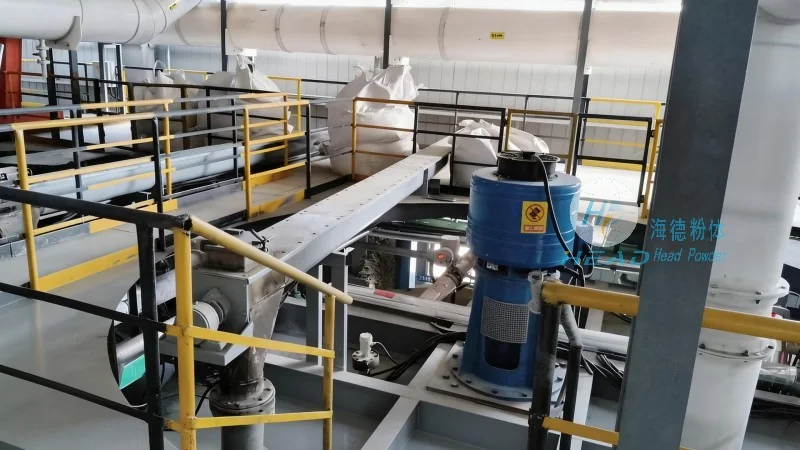
Key Considerations in Glucose Delivery
When selecting a glucose delivery method, several factors must be considered to ensure optimal patient care. These factors include the patient's medical condition, the desired rate of glucose delivery, the concentration of the glucose solution, and the patient's ability to tolerate the method. For example, patients with severe diabetes may require continuous subcutaneous delivery to maintain stable blood glucose levels, while patients with acute hypoglycemia may benefit from rapid IV infusion. The choice of delivery method also depends on the availability of equipment and the expertise of healthcare providers. It is essential to monitor the patient's response to the glucose delivery method, adjusting the dose or rate as needed to prevent complications. Regular monitoring of blood glucose levels is crucial to ensure that the delivery method is effective and that the patient's glucose levels remain within the target range. Additionally, the safety and reliability of the delivery equipment must be ensured, as any malfunction or error in delivery can lead to serious health consequences.
Role of HeadPowder in Glucose Delivery Solutions
Shandong HeadPowder Engineering Co., Ltd., commonly known as HeadPowder, is a prominent manufacturer and supplier of advanced glucose delivery solutions. HeadPowder operates from Shandong, China, and specializes in producing high-quality medical equipment and components designed for precise glucose administration. The company's product line includes infusion pumps, administration sets, subcutaneous delivery devices, and enteral feeding systems, all engineered to meet stringent quality and safety standards. HeadPowder's commitment to innovation ensures that its products are reliable and effective in delivering glucose to patients, supporting healthcare providers in managing glucose levels efficiently. The company's solutions are utilized in diverse clinical settings, from hospitals and clinics to home care environments, helping to improve patient outcomes by ensuring accurate and safe glucose delivery. HeadPowder's expertise in the field contributes to the advancement of glucose management technologies, ultimately enhancing the quality of care and the well-being of patients.

 Shandong Headpowder Engineering Co., Ltd.
 156-6277-7102(Quản lý Trương)
  0531-83386006
  Thành phố Tế Nam, Tỉnh Sơn Đông, Trung Quốc
Điện thoại
WeChatTư vấn
Lên đầu