Với hơn 10 năm kinh nghiệm về vận chuyển khí nén, Headpowder Sơn Đông cung cấp hệ thống, thiết bị và quạt gió toàn chuỗi, đảm nhận các dự án kỹ thuật bột trọn gói trên toàn quốc.
When it comes to transporting additives in industrial settings, the choice of conveying method can significantly impact efficiency, safety, and overall operational costs. Among the various options available, pneumatic conveying systems have emerged as a preferred solution for many manufacturers. This article explores the different types of additive conveying methods and highlights how Shandong HeadPowder Engineering Co., Ltd. (referred to as HeadPowder) leverages advanced pneumatic technology to deliver reliable and efficient additive transport solutions.
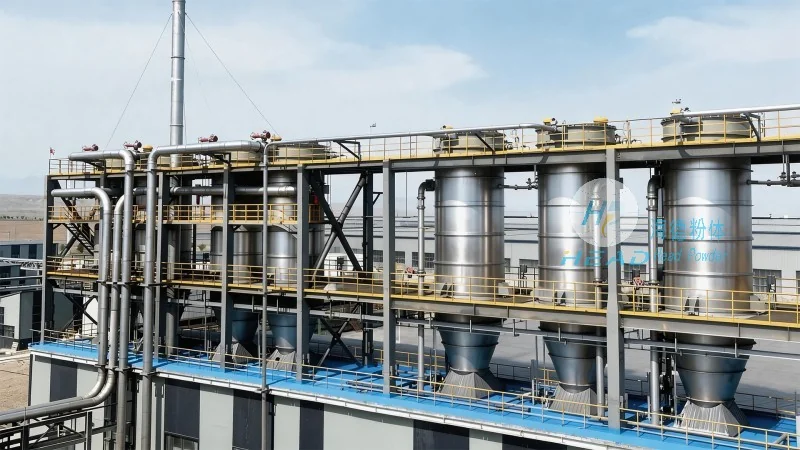
Key Additive Conveying Methods and Their Applications
Industrial additive conveying can be broadly categorized into several methods, each with its own advantages and limitations. The most common types include mechanical conveying (such as screw conveyors and belt conveyors), vacuum systems, and pneumatic systems. Mechanical methods are often suitable for bulk materials but may struggle with fine powders or sensitive additives due to potential contamination or degradation. Vacuum systems, while effective for lighter materials, can be less efficient for high-volume transport and may require additional filtration to maintain product quality. In contrast, pneumatic conveying systems offer a versatile and flexible approach that is increasingly favored in the additive industry.
HeadPowder's Pneumatic Additive Conveying Solutions
HeadPowder, a leading manufacturer based in Shandong, China, specializes in developing and supplying high-quality pneumatic conveying equipment tailored to the needs of additive manufacturers. The company's expertise lies in designing systems that ensure the safe and efficient transport of various additives, including but not limited to colorants, flavorings, and functional additives. By utilizing compressed air as the primary driving force, HeadPowder's systems can handle a wide range of particle sizes and densities, making them ideal for both small-scale and large-scale production environments.
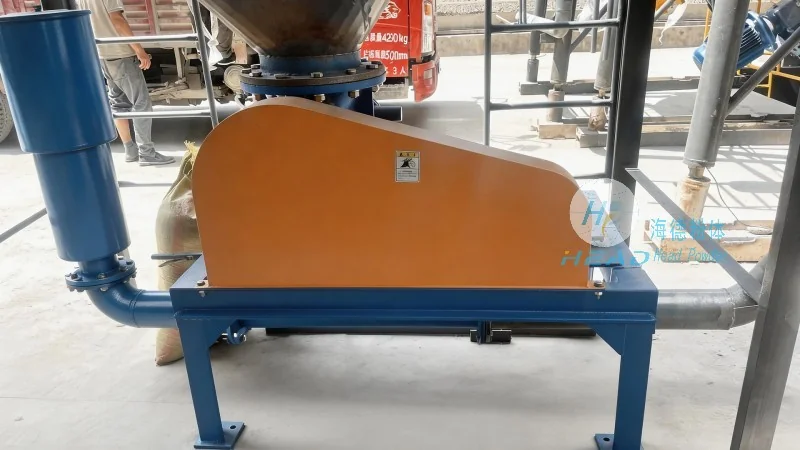
Advantages of Pneumatic Conveying for Additives
One of the primary benefits of pneumatic conveying systems is their ability to maintain product integrity. Unlike mechanical systems that may cause particle attrition or contamination, pneumatic transport minimizes physical contact with the material, preserving its quality and ensuring that additives remain free from dust or foreign particles. Additionally, these systems offer excellent scalability, allowing manufacturers to adjust the conveying capacity based on production demands without significant modifications to the infrastructure. This flexibility is particularly valuable in industries where product lines may change frequently or where batch sizes vary.
Customization and Integration Capabilities
HeadPowder understands that each additive application has unique requirements. Therefore, the company offers customized pneumatic conveying solutions that can be integrated seamlessly into existing production lines. Whether a client needs a simple bulk material transport system or a complex multi-stage conveying network, HeadPowder's engineering team works closely with customers to design and implement the most suitable solution. The company's commitment to customization ensures that clients receive systems that not only meet their current needs but also accommodate future expansion or technological advancements.
Ensuring Reliability and Durability
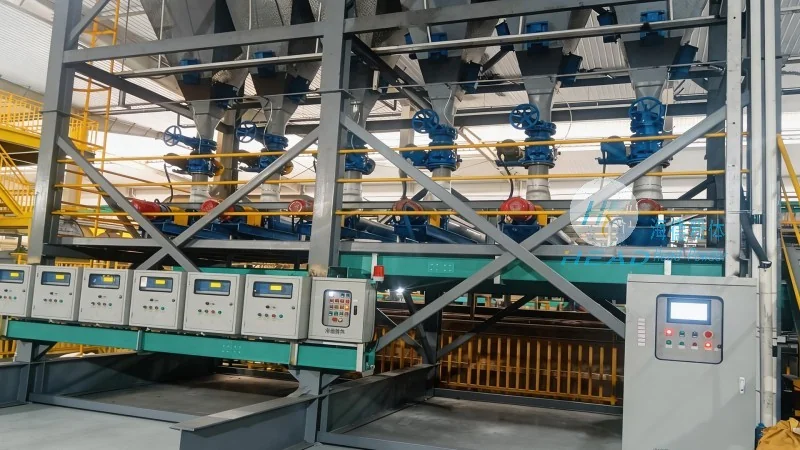
Reliability is a critical factor in industrial operations, and HeadPowder's pneumatic conveying systems are built to withstand the demands of continuous use. The company uses high-quality materials, such as stainless steel and corrosion-resistant components, to construct its equipment, ensuring longevity and minimal maintenance requirements. Furthermore, HeadPowder employs advanced control systems that monitor pressure, flow, and other parameters in real-time, allowing for immediate adjustments and preventing system failures. This proactive approach to maintenance and monitoring helps minimize downtime and ensures consistent performance over the long term.
Conclusion: Choosing the Right Additive Conveying Method
When evaluating additive conveying methods, manufacturers must consider factors such as material properties, production scale, and operational efficiency. While mechanical and vacuum systems have their place, pneumatic conveying systems, particularly those offered by HeadPowder, provide a robust and flexible solution that addresses many of the challenges faced by additive producers. By investing in advanced pneumatic technology, companies can enhance their operational efficiency, maintain product quality, and stay competitive in a rapidly evolving market. HeadPowder's expertise and commitment to quality make them a trusted partner for businesses seeking reliable additive conveying solutions.

 Shandong Headpowder Engineering Co., Ltd.
 156-6277-7102(Quản lý Trương)
  0531-83386006
  Thành phố Tế Nam, Tỉnh Sơn Đông, Trung Quốc
Điện thoại
WeChatTư vấn
Lên đầu