Với hơn 10 năm kinh nghiệm về vận chuyển khí nén, Headpowder Sơn Đông cung cấp hệ thống, thiết bị và quạt gió toàn chuỗi, đảm nhận các dự án kỹ thuật bột trọn gói trên toàn quốc.
When it comes to managing the efficient and hygienic transport of fermented grain (Mai Qu) in traditional and modern brewing operations, selecting the appropriate pneumatic conveying system is crucial. The right system ensures minimal product loss, maintains product integrity, and supports consistent production flow. This guide from Shandong HeadPowder Engineering Co., Ltd., a leading provider of specialized engineering solutions based in Shandong, China, outlines key considerations to help you make an informed decision.
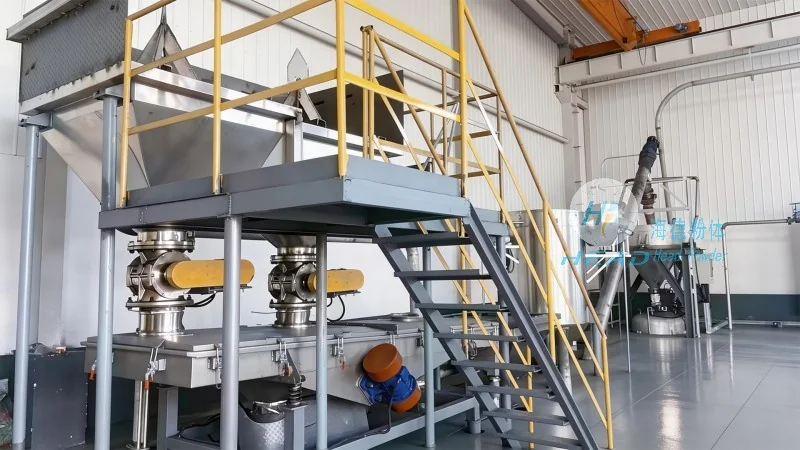
Understanding the Importance of Pneumatic Conveying for Fermented Grain
Fermented grain, or Mai Qu, is a critical component in the production of various alcoholic beverages, including baijiu and other traditional spirits. Its handling requires systems that can maintain the grain's quality, prevent contamination, and ensure smooth transfer from storage to processing stages. Pneumatic conveying systems offer a hygienic, enclosed solution that minimizes exposure to air and contaminants, which is essential for preserving the delicate characteristics of fermented grain.
Key Factors to Evaluate When Selecting a Pneumatic Conveying System
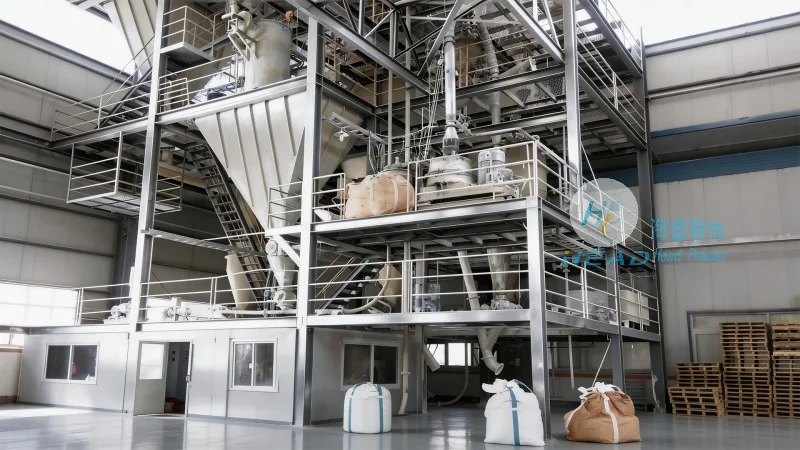
Choosing the right pneumatic conveying system for fermented grain handling involves evaluating several critical factors. First, consider the material characteristics of the fermented grain. These include particle size, moisture content, and bulk density, as they directly impact the system's design and performance. For example, finer particles may require systems with higher air velocity or specialized ducting to prevent blockages. Additionally, the system's capacity and flow rate must align with your production scale and throughput requirements. A mismatch can lead to bottlenecks or underutilization of equipment.
Second, the system's hygienic design is paramount. In food and beverage applications, especially those involving fermented products, compliance with sanitary standards is non-negotiable. Systems should feature smooth, easy-to-clean surfaces, minimal dead zones, and components that can be sanitized effectively. Shandong HeadPowder Engineering Co., Ltd. specializes in designing systems that meet these stringent hygiene requirements, using materials like stainless steel and advanced sealing technologies to ensure product safety and regulatory compliance.
Types of Pneumatic Conveying Systems for Fermented Grain
There are primarily two types of pneumatic conveying systems suitable for fermented grain: pressure and vacuum systems. Pressure systems use compressed air to push material through the conveying line, making them ideal for long-distance or high-capacity applications. They are often preferred for moving fermented grain from silos or storage bins to processing equipment. Vacuum systems, on the other hand, use suction to draw material into the system, which is suitable for shorter distances or when handling materials that are more prone to dust or require gentle handling. The choice between pressure and vacuum depends on factors such as the distance between the source and destination, the material's properties, and the desired flow rate.
Customization and Integration with Existing Infrastructure
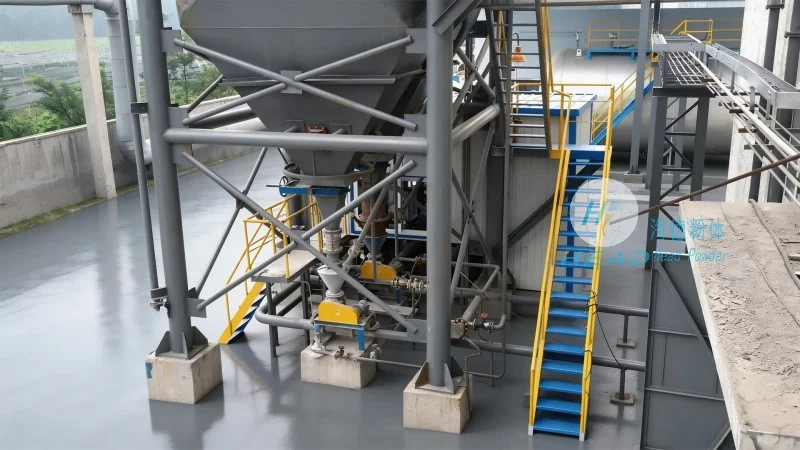
Another critical aspect of selecting a pneumatic conveying system is its ability to integrate with existing production infrastructure. Many breweries and distilleries have established layouts that include silos, tanks, and processing lines. A well-designed system from Shandong HeadPowder Engineering Co., Ltd. can be customized to fit these existing setups, minimizing the need for major structural changes or disruptions to production. This includes considerations such as the system's footprint, compatibility with existing equipment, and the ability to connect to existing air compressors or vacuum pumps. Customization also allows for the inclusion of features like automatic controls, which can optimize operation and reduce labor costs.
Maintenance and Long-Term Reliability
Long-term performance and reliability are essential when investing in a pneumatic conveying system for fermented grain. The system should be designed for ease of maintenance, with accessible components and clear operational guidelines. Regular maintenance, such as cleaning ducts, checking air filters, and inspecting seals, is crucial to prevent system downtime and ensure consistent performance. Shandong HeadPowder Engineering Co., Ltd. provides comprehensive support, including maintenance services and spare parts availability, to ensure that their systems operate efficiently over their service life. This focus on reliability helps maintain production continuity and reduces the total cost of ownership.
Conclusion: Partnering with an Expert for Optimal Solutions
Selecting the right pneumatic conveying system for your fermented grain handling process is a decision that impacts production efficiency, product quality, and operational costs. By considering factors such as material characteristics, hygienic design, system type, integration capabilities, and maintenance support, you can make a choice that aligns with your specific needs. Shandong HeadPowder Engineering Co., Ltd., with its expertise and commitment to quality, offers tailored solutions that meet the unique requirements of fermented grain processing. Whether you are upgrading an existing system or installing a new one, partnering with a reputable provider like HeadPowder ensures that you invest in a system that delivers reliable performance and supports your production goals.

 Shandong Headpowder Engineering Co., Ltd.
 156-6277-7102(Quản lý Trương)
  0531-83386006
  Thành phố Tế Nam, Tỉnh Sơn Đông, Trung Quốc
Điện thoại
WeChatTư vấn
Lên đầu