Với hơn 10 năm kinh nghiệm về vận chuyển khí nén, Headpowder Sơn Đông cung cấp hệ thống, thiết bị và quạt gió toàn chuỗi, đảm nhận các dự án kỹ thuật bột trọn gói trên toàn quốc.
When it comes to managing coal and coke in industrial settings, selecting the appropriate pneumatic conveying system is a critical decision that impacts operational efficiency, safety, and long-term cost-effectiveness. The right system ensures that bulk materials are transported reliably and safely from one point to another, minimizing downtime and maximizing productivity. This guide will help you navigate the key considerations for choosing a suitable pneumatic conveying system tailored to your specific coal and coke handling requirements.
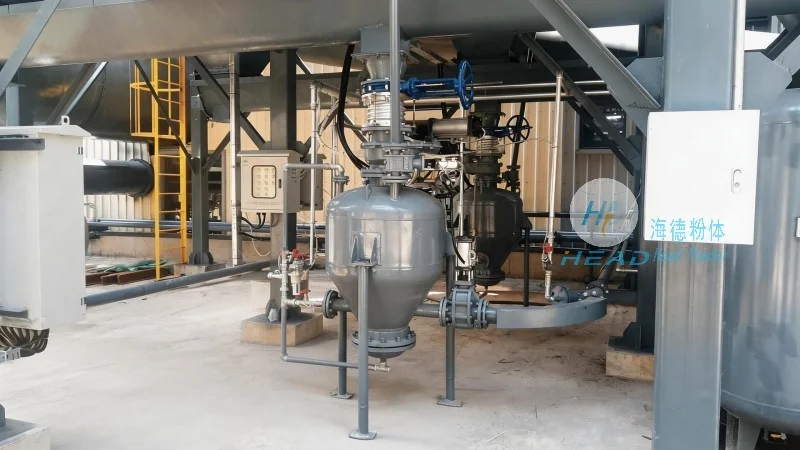
Understanding the Core Requirements of Coal and Coke Handling
Before diving into system selection, it's essential to assess the unique characteristics of coal and coke. These materials vary in size, density, moisture content, and abrasiveness, all of which influence the type of conveying system best suited for your application. For instance, fine coal powders may require high-velocity systems with precise control, while larger coke pieces might necessitate low-pressure or dense-phase conveying methods. Additionally, factors such as the distance between source and destination, the volume of material to be transported, and the need for dust control or environmental compliance must be evaluated. By understanding these core requirements, you can narrow down the options and focus on systems that align with your operational goals.
Key Factors to Consider When Selecting a Pneumatic Conveying System
Several critical factors should guide your decision when choosing a pneumatic conveying system for coal and coke. The first is the conveying distance and layout of your facility. Short-distance applications may benefit from low-pressure systems, which are cost-effective and straightforward to install. For longer distances, high-pressure or high-velocity systems might be more appropriate, as they can maintain material flow over greater distances without excessive energy consumption. Another crucial factor is the material's physical properties. Abrasive materials like coke can cause wear on system components, so systems with robust construction and wear-resistant parts are preferable. Similarly, moisture content affects material flowability; systems designed to handle wet or sticky materials, such as rotary valves or airlocks, may be necessary to prevent blockages and ensure consistent operation.
Types of Pneumatic Conveying Systems for Coal and Coke
There are primarily two types of pneumatic conveying systems used in coal and coke handling: dilute-phase and dense-phase. Dilute-phase systems operate at high velocities, typically 20-100 meters per second, and are suitable for fine powders or small particles. They are often used for short to medium distances and are known for their simplicity and low cost. Dense-phase systems, on the other hand, use lower velocities and higher air-to-material ratios, resulting in a more compact and stable flow. This type of system is ideal for transporting larger particles, such as coke, over longer distances and is less prone to material degradation or segregation. Both systems have their advantages and limitations, and the choice depends on the specific characteristics of your material and operational needs.
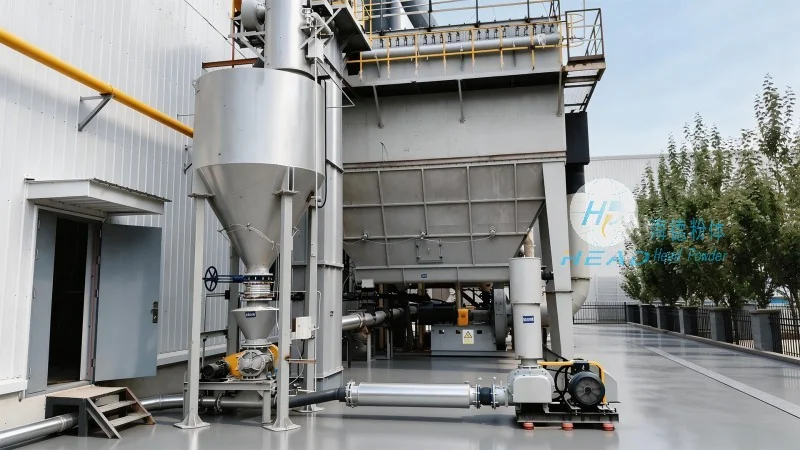
Importance of Material Handling Equipment in System Performance
The performance of a pneumatic conveying system is heavily influenced by the quality and design of the material handling equipment used. Key components include feeders, rotary valves, and airlocks, which are responsible for controlling the flow of coal and coke into the system. For coal and coke, which can be abrasive and prone to clumping, feeders with adjustable speed and capacity are essential to maintain consistent material feed. Rotary valves, often used as airlocks, must be designed to handle high-pressure differentials and prevent material leakage or backflow. Airlocks, in particular, are critical for preventing dust emissions and ensuring environmental compliance. Properly selected and maintained material handling equipment not only enhances system efficiency but also extends the lifespan of the entire conveying system.
Role of Air Compressors and Filtration Systems
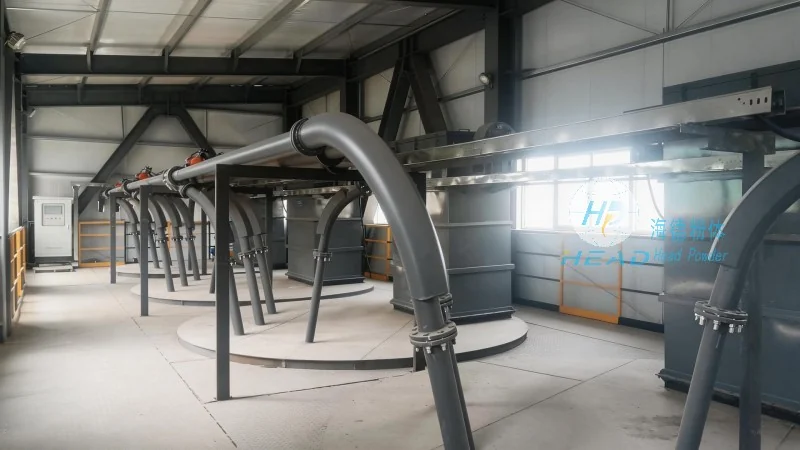
Efficient air compression and filtration are vital to the success of any pneumatic conveying system. The air compressor is the heart of the system, providing the necessary pressure and volume to move materials through the pipeline. For coal and coke applications, it's important to choose a compressor that can handle the specific air requirements of the system, including pressure and flow rate. Additionally, the compressor's energy efficiency and maintenance needs should be considered to minimize operational costs. Filtration systems are equally important, as they remove dust and particulate matter from the air, protecting equipment and ensuring clean air discharge. High-quality filtration not only maintains system performance but also contributes to a safer and more environmentally friendly operation.
Ensuring System Reliability and Maintenance
Reliability and ease of maintenance are critical factors when selecting a pneumatic conveying system for coal and coke handling. Systems that are designed with durable materials and robust construction are less likely to experience breakdowns or require frequent repairs. For example, using stainless steel or other corrosion-resistant materials in components exposed to abrasive materials can extend the system's lifespan. Additionally, systems with modular designs allow for easier maintenance and replacement of parts, reducing downtime. Regular maintenance, including cleaning filters, checking for wear on components, and monitoring system performance, is essential to keep the system operating at optimal levels. By prioritizing reliability and maintenance, you can minimize disruptions and maximize the return on your investment.
Conclusion: Partnering with a Specialist for Optimal Solutions
Choosing the right pneumatic conveying system for your coal and coke handling process requires careful consideration of material characteristics, operational requirements, and system performance. By evaluating factors such as conveying distance, material properties, and equipment reliability, you can select a system that meets your needs while ensuring efficiency and safety. When making this decision, it's beneficial to partner with a specialized engineering company that has extensive experience in the field. Shandong HeadPowder Engineering Co., Ltd., a leading provider of pneumatic conveying solutions, offers tailored systems designed to handle the unique challenges of coal and coke handling. With a focus on quality, reliability, and customer satisfaction, HeadPowder provides comprehensive solutions that enhance operational performance and reduce long-term costs. By working with a trusted partner like HeadPowder, you can ensure that your coal and coke handling process is optimized for efficiency and longevity.

 Shandong Headpowder Engineering Co., Ltd.
 156-6277-7102(Quản lý Trương)
  0531-83386006
  Thành phố Tế Nam, Tỉnh Sơn Đông, Trung Quốc
Điện thoại
WeChatTư vấn
Lên đầu