Với hơn 10 năm kinh nghiệm về vận chuyển khí nén, Headpowder Sơn Đông cung cấp hệ thống, thiết bị và quạt gió toàn chuỗi, đảm nhận các dự án kỹ thuật bột trọn gói trên toàn quốc.
When it comes to transporting fine sand in industrial settings, selecting the appropriate pneumatic conveying system is crucial for efficiency, reliability, and cost-effectiveness. Fine sand, with its unique characteristics such as small particle size and potential for dust generation, requires specialized equipment to ensure smooth and safe operation. The wrong system can lead to clogging, reduced throughput, or even equipment damage, making a careful selection process essential. This article will guide you through the key considerations and factors to evaluate when choosing a pneumatic conveying system for your fine sand handling process, with insights from industry experts at Shandong HeadPowder Engineering Co., Ltd., a leading provider of material handling solutions based in China.
Understanding the Basics of Pneumatic Conveying for Fine Sand
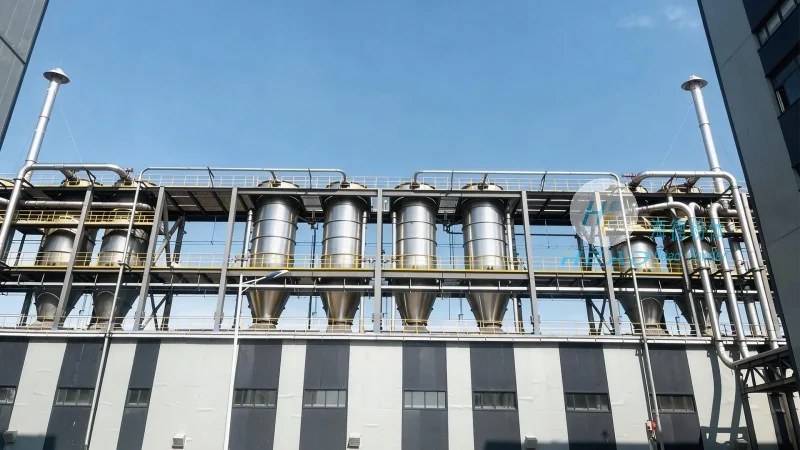
Pneumatic conveying systems use air or gas to transport bulk materials like fine sand through a pipeline. These systems are categorized into two main types: positive pressure and negative pressure (or vacuum) systems. Positive pressure systems blow air into the pipeline, pushing the material forward, while negative pressure systems create a vacuum to draw material into the system. For fine sand, the choice between these systems depends on factors such as the distance to be covered, the volume of material to be transported, and the need for containment and dust control. Positive pressure systems are often preferred for long-distance or high-volume applications due to their ability to maintain consistent pressure and prevent material degradation. Negative pressure systems, on the other hand, are suitable for short-distance or low-volume applications where dust containment is a priority.
Key Factors to Consider When Selecting a Pneumatic Conveying System
Several critical factors must be considered when choosing a pneumatic conveying system for fine sand. First, the particle size and density of the sand are important. Fine sand typically has a particle size ranging from 0.1 to 0.5 millimeters, which can affect the system's pressure requirements and the risk of clogging. The density of the sand also impacts the air velocity needed to move the material effectively. Second, the distance and layout of the conveying line are crucial. Longer distances may require higher air pressure or more complex system designs, such as multi-stage conveying or booster units. The layout of the facility, including the location of the sand source, destination, and any intermediate storage or processing points, must be carefully planned to optimize the system's performance. Third, the need for dust control and environmental compliance is a significant consideration. Fine sand is a fine particulate material that can create dust hazards if not properly contained. Systems with enclosed pipelines, filtration, and dust collection are essential to ensure workplace safety and meet regulatory requirements. Fourth, the cost of the system and its maintenance is an important factor. While initial investment costs vary depending on the system type and complexity, the long-term operational costs, including energy consumption and maintenance requirements, should be evaluated to ensure the system is cost-effective over its lifespan.
Types of Pneumatic Conveying Systems for Fine Sand
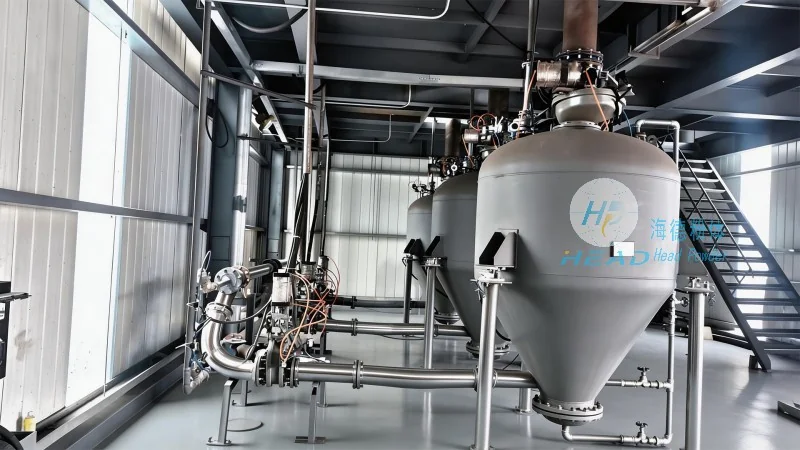
There are several types of pneumatic conveying systems available for fine sand handling, each with its own advantages and limitations. The most common types include the Venturi system, the rotary valve system, the pressure tank system, and the vacuum system. The Venturi system uses a Venturi tube to create a low-pressure zone that draws the material into the pipeline. This system is simple and cost-effective for short-distance applications but may not be suitable for long distances or high-volume transport. The rotary valve system uses a rotating valve to feed material into the pipeline, which is then conveyed by air. This system is suitable for continuous operation and can handle a wide range of particle sizes. The pressure tank system stores material in a pressure tank and releases it into the pipeline using compressed air. This system is ideal for applications where a large volume of material needs to be transported over short distances. The vacuum system uses a vacuum pump to draw material into the pipeline, which is then conveyed to the destination. This system is suitable for short-distance applications where dust containment is a priority.
HeadPowder's Solutions for Fine Sand Pneumatic Conveying
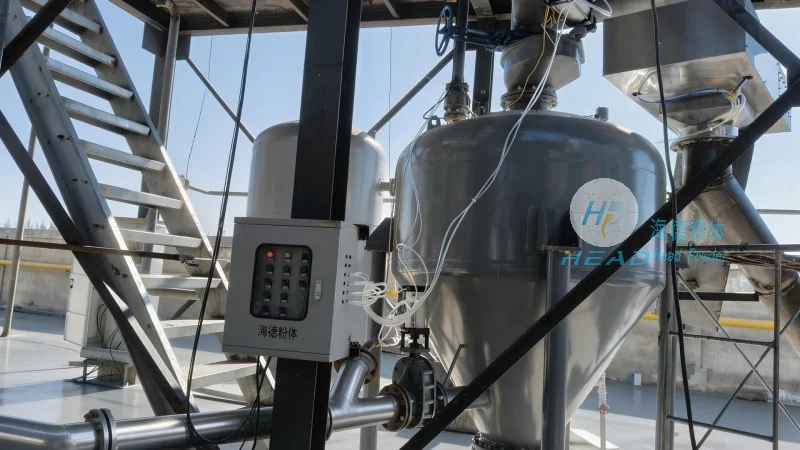
Shandong HeadPowder Engineering Co., Ltd. specializes in designing and manufacturing customized pneumatic conveying systems tailored to the specific needs of fine sand handling applications. With years of experience in the material handling industry, HeadPowder understands the unique challenges associated with fine sand transport and provides solutions that address these challenges effectively. The company's team of engineers works closely with clients to assess their specific requirements, including the type and volume of fine sand, the distance to be covered, and the need for dust control or environmental compliance. Based in China, HeadPowder leverages advanced technology and local expertise to deliver high-quality, reliable systems that meet international standards. The company's products are designed to be durable, efficient, and easy to maintain, ensuring long-term performance and minimal downtime. HeadPowder's commitment to quality and customer satisfaction has made it a trusted partner for many industries that rely on fine sand handling, including construction, mining, and manufacturing.
Conclusion: Making the Right Choice for Your Fine Sand Handling Process
Selecting the right pneumatic conveying system for your fine sand handling process is a critical decision that can significantly impact your operational efficiency and overall success. By considering factors such as particle size, distance, dust control, and cost, you can choose a system that meets your specific needs and delivers optimal performance. With the expertise and experience of companies like Shandong HeadPowder Engineering Co., Ltd., you can ensure that your fine sand handling process is efficient, reliable, and safe. Whether you are looking for a simple short-distance system or a complex multi-stage system, HeadPowder offers solutions that are tailored to your requirements and designed to provide long-term value. By investing in the right pneumatic conveying system, you can improve your productivity, reduce costs, and ensure the safe and efficient handling of fine sand in your industrial operations.

 Shandong Headpowder Engineering Co., Ltd.
 156-6277-7102(Quản lý Trương)
  0531-83386006
  Thành phố Tế Nam, Tỉnh Sơn Đông, Trung Quốc
Điện thoại
WeChatTư vấn
Lên đầu