Với hơn 10 năm kinh nghiệm về vận chuyển khí nén, Headpowder Sơn Đông cung cấp hệ thống, thiết bị và quạt gió toàn chuỗi, đảm nhận các dự án kỹ thuật bột trọn gói trên toàn quốc.
For industries dealing with sand and soil materials, selecting the appropriate pneumatic conveying system is crucial for ensuring efficient, reliable, and cost-effective material transport. The right system can significantly enhance production efficiency, reduce downtime, and minimize environmental impact. This guide from Shandong HeadPowder Engineering Co., Ltd. outlines key considerations and steps to help you make an informed decision when choosing a pneumatic conveying system for your specific sand and soil transport process.
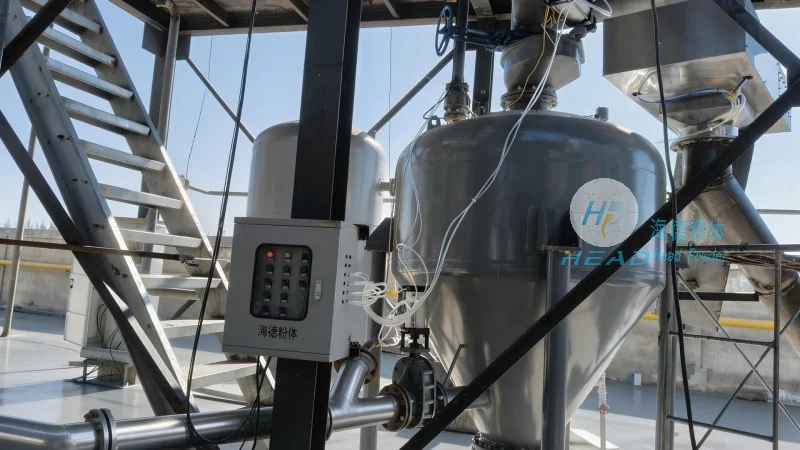
Understanding the Importance of Pneumatic Conveying for Sand and Soil
Sand and soil materials are commonly used in various industries, including construction, mining, and manufacturing. Traditional methods like belt conveyors or bucket elevators may face challenges when handling these materials, such as dust generation, material degradation, or operational inefficiencies. Pneumatic conveying systems offer a solution by transporting materials through a pipeline using air pressure, providing a dust-free, enclosed process that minimizes contamination and improves safety. The choice of system depends on factors like material characteristics, transport distance, and operational requirements.
Key Factors to Consider When Selecting a Pneumatic Conveying System
Before choosing a pneumatic conveying system, it is essential to evaluate several key factors related to your sand and soil transport process. These factors will help determine the most suitable system type and components. First, analyze the physical properties of the material, including particle size, density, moisture content, and flowability. Larger or irregularly shaped particles may require higher air velocities or specialized equipment to ensure smooth transport. Second, consider the distance and layout of the transport route. Longer distances may necessitate booster units or larger diameter pipelines to maintain material flow. Third, assess the required capacity and throughput. High-volume applications may demand high-capacity systems with robust air compressors and larger ducts. Finally, evaluate the environmental and safety requirements. Some industries may need explosion-proof or dust-tight systems to comply with regulations and protect personnel.
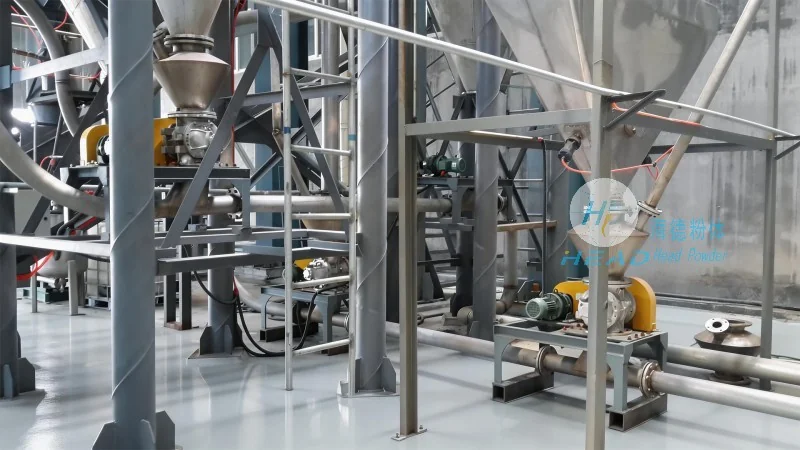
Types of Pneumatic Conveying Systems for Sand and Soil
There are primarily two types of pneumatic conveying systems: positive pressure and negative pressure. Positive pressure systems use compressed air to push material through the pipeline, while negative pressure systems use vacuum to draw material into the system. For sand and soil applications, positive pressure systems are often preferred due to their ability to handle abrasive materials and provide consistent flow. These systems typically use rotary airlocks at the inlet and discharge points to control material flow and prevent backflow. Another option is the hybrid system, which combines both positive and negative pressure elements, offering flexibility for complex transport routes. Shandong HeadPowder Engineering Co., Ltd. specializes in designing and manufacturing customized pneumatic conveying systems tailored to the unique needs of sand and soil transport processes.
Customization and Design Considerations by HeadPowder
At Shandong HeadPowder Engineering Co., Ltd., based in Shandong, China, we understand that each sand and soil transport project has distinct requirements. Our team of engineers works closely with clients to conduct a thorough analysis of the material characteristics, transport distance, and operational goals. We then design a customized pneumatic conveying system that optimizes performance and efficiency. Our solutions may include components such as high-efficiency air compressors, dust filters, and material handling equipment, all engineered to handle the specific challenges of sand and soil transport. By choosing a system from HeadPowder, you benefit from years of experience in the industry and a commitment to quality and reliability.
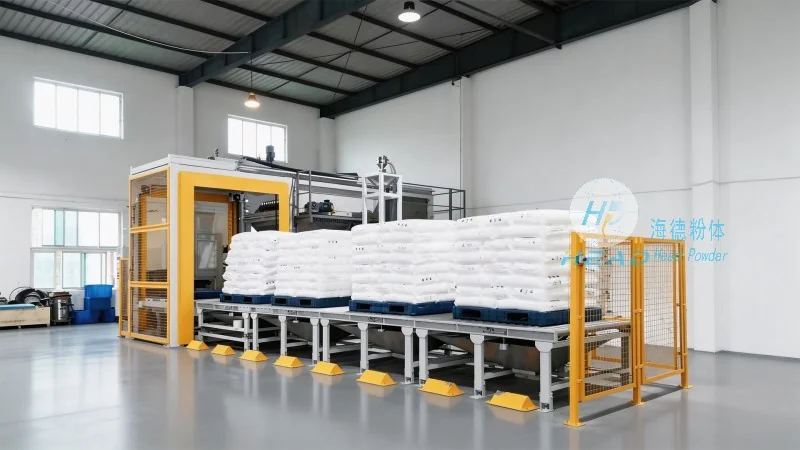
Benefits of Choosing the Right Pneumatic Conveying System
Implementing the right pneumatic conveying system for your sand and soil transport process offers numerous benefits. First, it enhances operational efficiency by reducing downtime and increasing throughput. The enclosed system minimizes material loss and contamination, ensuring consistent product quality. Second, it improves safety by eliminating dust exposure and providing a controlled environment. Third, it reduces maintenance costs by using robust components designed to handle abrasive materials. Finally, it contributes to environmental sustainability by minimizing waste and reducing the need for manual handling. These benefits make pneumatic conveying an attractive option for industries seeking to optimize their sand and soil transport operations.
Conclusion and Next Steps
Choosing the right pneumatic conveying system for your sand and soil transport process requires careful consideration of material properties, transport requirements, and operational goals. By working with a reputable company like Shandong HeadPowder Engineering Co., Ltd., you can ensure that your system is tailored to your specific needs, delivering reliable and efficient material transport. Whether you are in the construction, mining, or manufacturing industry, investing in the right pneumatic conveying system will pay off in the long run by improving productivity, reducing costs, and enhancing safety. Contact HeadPowder today to learn more about our customized solutions for your sand and soil transport challenges.

 Shandong Headpowder Engineering Co., Ltd.
 156-6277-7102(Quản lý Trương)
  0531-83386006
  Thành phố Tế Nam, Tỉnh Sơn Đông, Trung Quốc
Điện thoại
WeChatTư vấn
Lên đầu