Với hơn 10 năm kinh nghiệm về vận chuyển khí nén, Headpowder Sơn Đông cung cấp hệ thống, thiết bị và quạt gió toàn chuỗi, đảm nhận các dự án kỹ thuật bột trọn gói trên toàn quốc.
For coffee processing facilities, efficient and reliable coffee powder conveying is crucial to maintaining product quality and operational efficiency. Various methods are available to transport coffee powder from storage to processing or packaging areas. This article explores common coffee powder conveying methods, with a focus on the advantages and applications of pneumatic conveying systems.
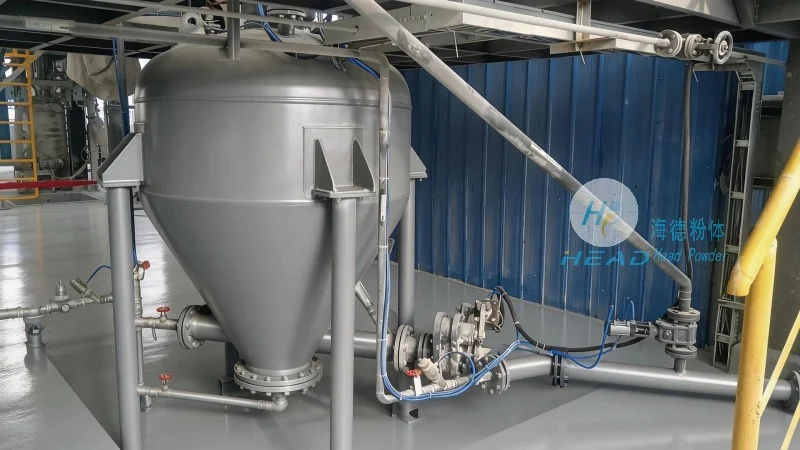
Understanding Coffee Powder Conveying Systems
Coffee powder, with its fine particles and hygroscopic nature, requires specialized handling to prevent clumping, contamination, and loss of quality. Conveying systems must be designed to minimize particle degradation, maintain consistent moisture levels, and ensure gentle handling. The choice of conveying method depends on factors such as material properties, facility layout, and production scale.
Common Coffee Powder Conveying Methods
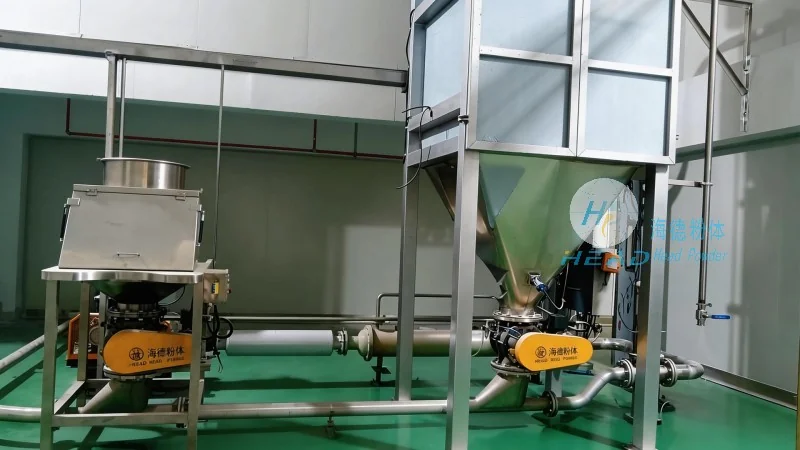
Several methods are commonly used for coffee powder transport, each with its own advantages and limitations. These include gravity-based systems, mechanical conveyors, and pneumatic (air-assisted) systems. Each method offers unique benefits tailored to specific operational needs.
Gravity Conveying Systems
Gravity conveying relies on the natural downward movement of coffee powder under the influence of gravity. This method is often used for short horizontal or vertical distances where the powder can flow freely. It typically involves chutes or inclined pipes that allow the material to move without external power. However, gravity systems are limited by the need for a suitable slope and are not suitable for long distances or complex layouts.
Mechanical Conveying Systems
Mechanical conveyors, such as belt conveyors, screw conveyors, and bucket elevators, use mechanical components to transport coffee powder. These systems are effective for moderate to high volumes and can handle longer distances. Belt conveyors, for example, are widely used in coffee processing plants to move bulk coffee powder from storage silos to processing lines. Screw conveyors are particularly useful for vertical or inclined transport, providing consistent flow rates. While mechanical systems are reliable, they may cause more particle attrition and require regular maintenance.
Pneumatic Conveying Systems
Pneumatic conveying, or air-assisted transport, is a highly effective method for handling fine coffee powder. This system uses compressed air to move the material through a pipeline. There are two main types: pressure and vacuum systems. Pressure systems push the material forward using high-pressure air, while vacuum systems pull the material through the line using low-pressure air. Pneumatic conveying offers several advantages, including gentle handling, minimal product degradation, and the ability to transport materials over long distances with minimal maintenance. It also allows for closed systems, which help maintain product quality and prevent contamination.
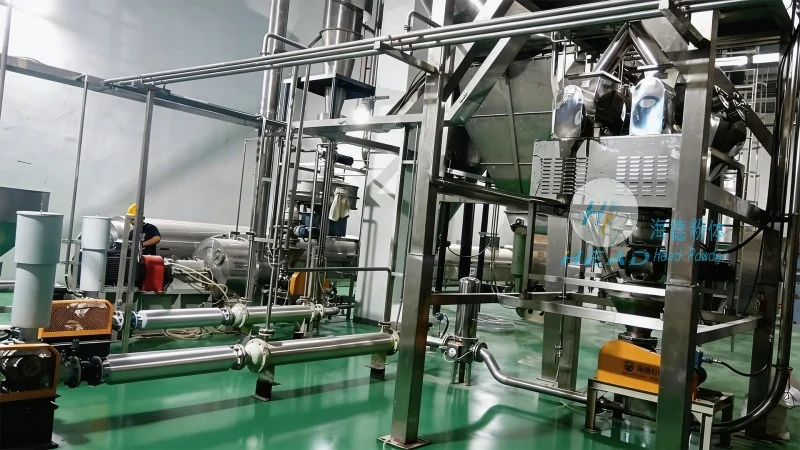
Advantages of Pneumatic Conveying for Coffee Powder
For coffee powder, pneumatic conveying systems provide significant benefits. The gentle, air-assisted movement reduces the risk of particle breakage and clumping, preserving the coffee's aroma and flavor profile. Closed systems prevent exposure to moisture and contaminants, ensuring consistent quality from the storage silo to the processing line. Additionally, pneumatic systems can be integrated with other processing equipment, allowing for seamless material flow and improved operational efficiency.
Applications in Coffee Processing
Pneumatic conveying is widely used in coffee processing facilities for various applications. It is commonly employed to transfer coffee powder from storage silos to grinding or blending equipment. The system can also be used to move finished coffee products from the processing line to packaging machines. In some cases, pneumatic conveyors are used to transport spent coffee grounds or waste materials, ensuring a clean and efficient operation.
Considerations for Choosing a Conveying System
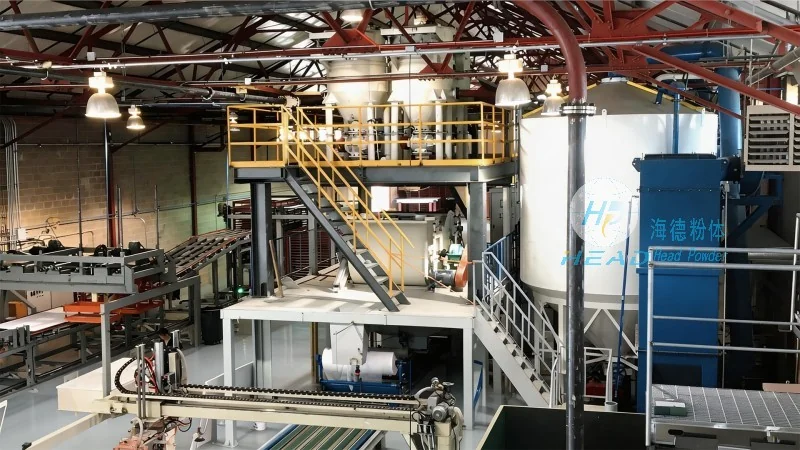
When selecting a coffee powder conveying system, several factors must be considered. The material's properties, such as particle size, moisture content, and hygroscopicity, play a critical role. The facility's layout and available space also influence the choice of system. Additionally, the required flow rate, distance, and budget are important considerations. For high-volume, long-distance transport, pneumatic conveying often proves to be the most efficient and cost-effective solution.
Conclusion
Efficient coffee powder conveying is essential for maintaining product quality and operational efficiency in coffee processing facilities. While gravity and mechanical systems have their uses, pneumatic conveying systems offer superior performance for fine, hygroscopic materials like coffee powder. By understanding the advantages and applications of each method, coffee processing companies can choose the most suitable system to meet their specific needs. For reliable and effective coffee powder conveying solutions, Shandong HeadPowder Engineering Co., Ltd. provides advanced pneumatic conveying systems tailored to the unique requirements of coffee processing operations.

 Shandong Headpowder Engineering Co., Ltd.
 156-6277-7102(Quản lý Trương)
  0531-83386006
  Thành phố Tế Nam, Tỉnh Sơn Đông, Trung Quốc
Điện thoại
WeChatTư vấn
Lên đầu