Với hơn 10 năm kinh nghiệm về vận chuyển khí nén, Headpowder Sơn Đông cung cấp hệ thống, thiết bị và quạt gió toàn chuỗi, đảm nhận các dự án kỹ thuật bột trọn gói trên toàn quốc.
Wood chip conveying is a critical process in various industries, particularly in the forestry and wood processing sectors. The efficient and reliable transportation of wood chips from one location to another is essential for maintaining productivity and ensuring the quality of downstream processes. Among the different methods available, pneumatic conveying stands out as a popular and effective solution for handling wood chips. This article explores common wood chip conveying methods, with a focus on the advantages and applications of pneumatic conveying systems.
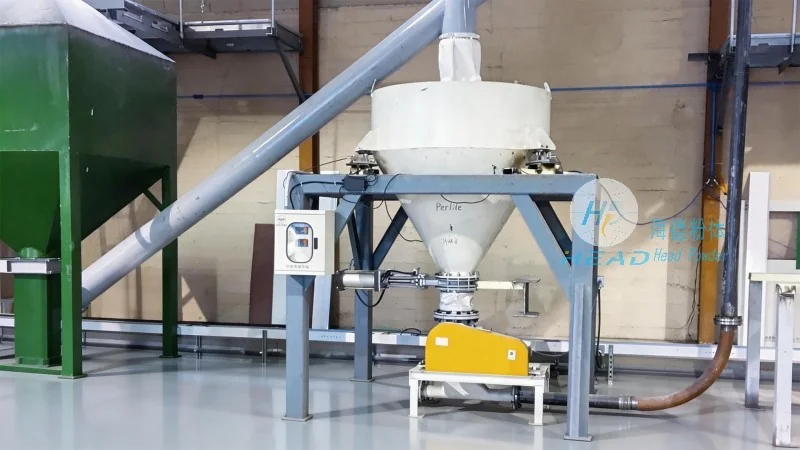
Introduction to Wood Chip Conveying
Wood chips are a byproduct of wood processing activities, such as sawmilling and wood chipping. These chips are typically used as raw material for various applications, including pulp production, particleboard manufacturing, and biomass energy generation. Conveying these chips from the chipping area to processing facilities or storage sites requires specialized equipment and systems to ensure minimal loss, contamination, and damage. Traditional methods like gravity chutes and mechanical conveyors have been used for decades, but modern industrial applications increasingly rely on advanced pneumatic conveying technologies.
About HeadPowder: A Leading Provider of Conveying Solutions
HeadPowder, or Shandong HeadPowder Engineering Co., Ltd., is a reputable company based in Shandong, China, specializing in the design, manufacturing, and installation of advanced material handling systems. With a strong commitment to quality and innovation, HeadPowder has established itself as a trusted partner for industries requiring efficient and reliable wood chip conveying solutions. The company's expertise lies in developing customized pneumatic conveying systems tailored to the specific needs of each client, ensuring optimal performance and long-term durability.
Common Wood Chip Conveying Methods
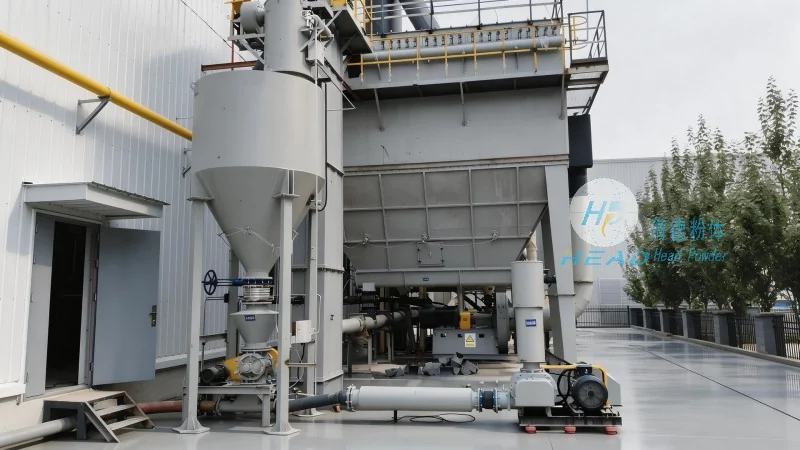
Several methods are employed for wood chip conveying, each with its own set of advantages and limitations. The choice of method depends on factors such as the volume of material to be conveyed, the distance, the required speed, and the specific characteristics of the wood chips. The primary methods include mechanical conveyors, gravity chutes, and pneumatic conveying systems.
Mechanical Conveyors
Mechanical conveyors, such as belt conveyors, screw conveyors, and chain conveyors, are widely used for transporting wood chips. These systems utilize mechanical components to move the material along a fixed path. Belt conveyors are particularly suitable for long-distance horizontal or inclined transport, while screw conveyors are effective for vertical or inclined movement in confined spaces. Chain conveyors, often used in chipper lines, provide robust and reliable transport of wood chips from the chipper to the storage or processing area. However, mechanical conveyors have limitations when dealing with fine or lightweight wood chips, as they may suffer from material buildup, blockages, and increased wear and tear.
Gravity Chutes
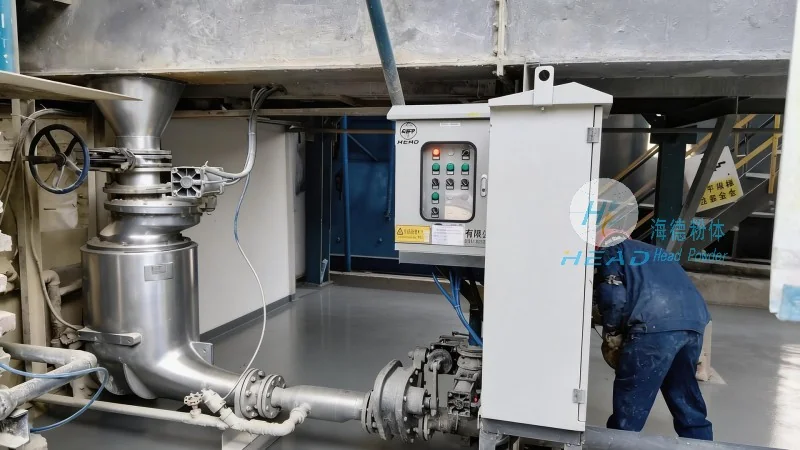
Gravity chutes, also known as slide chutes, rely on the natural force of gravity to move wood chips from a higher elevation to a lower one. These systems are simple, low-cost, and require minimal maintenance. They are commonly used for short-distance vertical or inclined transport, such as moving chips from a chipper to a storage bin or a processing line. Gravity chutes are effective for handling relatively dry and uniform wood chips but are less suitable for wet or sticky chips, as they can lead to material sticking to the chute walls and causing blockages.
Pneumatic Conveying Systems
Pneumatic conveying, or air-powered conveying, is a method that uses compressed air to transport wood chips through a pipeline. This technology offers several advantages over mechanical and gravity-based systems, making it an ideal choice for many industrial applications. Pneumatic conveying systems can handle a wide range of wood chip sizes and moisture contents, and they provide excellent control over the material flow. The system typically consists of a blower or compressor, a hopper to store the wood chips, a conveying line, and a receiver to collect the material at the destination. The compressed air creates a flow that propels the wood chips through the pipeline, ensuring efficient and continuous transport.
Advantages of Pneumatic Conveying for Wood Chips
Pneumatic conveying systems offer numerous benefits for wood chip handling. First, they provide a closed system, which helps prevent dust and debris from contaminating the environment and the product. This is particularly important in industries where product purity is critical, such as pulp and paper manufacturing. Second, pneumatic conveying allows for high-speed and continuous transport, reducing the time and labor required for material handling. Third, these systems are flexible and can be easily reconfigured to accommodate changes in production volume or layout. Additionally, pneumatic conveying minimizes material damage and loss, as the chips are conveyed in a controlled manner without direct contact with mechanical components.
Applications of Pneumatic Conveying in Wood Processing
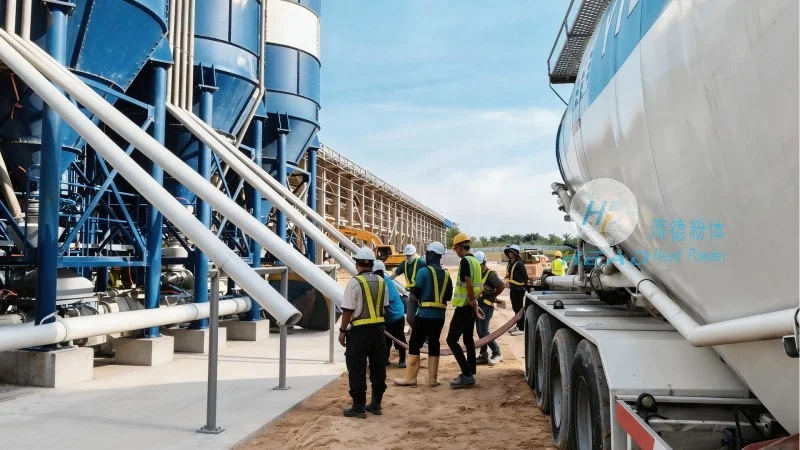
Pneumatic conveying is widely used in various stages of wood processing. In the sawmill industry, it is used to transport wood chips from the chipper to the storage silos or to the pulp mill. In the particleboard and fiberboard manufacturing plants, pneumatic systems are employed to move chips from the storage area to the drying and processing lines. For biomass energy facilities, pneumatic conveying is essential for transporting wood chips to the combustion or gasification units. The versatility of pneumatic conveying systems makes them suitable for a wide range of applications, from small-scale operations to large industrial plants.
Conclusion
Choosing the right wood chip conveying method is crucial for optimizing production efficiency and maintaining product quality. While mechanical conveyors and gravity chutes have their place in certain applications, pneumatic conveying systems offer superior performance, flexibility, and control. Companies like HeadPowder, with their expertise in designing and implementing advanced pneumatic conveying solutions, play a vital role in helping industries achieve their material handling goals. By understanding the advantages and applications of different conveying methods, businesses can make informed decisions to enhance their operations and stay competitive in the market.

 Shandong Headpowder Engineering Co., Ltd.
 156-6277-7102(Quản lý Trương)
  0531-83386006
  Thành phố Tế Nam, Tỉnh Sơn Đông, Trung Quốc
Điện thoại
WeChatTư vấn
Lên đầu