Với hơn 10 năm kinh nghiệm về vận chuyển khí nén, Headpowder Sơn Đông cung cấp hệ thống, thiết bị và quạt gió toàn chuỗi, đảm nhận các dự án kỹ thuật bột trọn gói trên toàn quốc.
Clay dust, a fine particulate material often encountered in industrial processes, requires efficient and reliable conveying systems to ensure safe and effective material handling. For companies operating in industries such as mining, construction, or chemical processing, selecting the right clay dust conveying method is crucial for maintaining productivity, minimizing operational costs, and ensuring compliance with safety regulations. This article provides a detailed comparison of common clay dust conveying methods, highlighting their advantages and disadvantages to help industrial operators make informed decisions.
Introduction to Clay Dust Conveying
Clay dust, characterized by its fine particles and cohesive properties, presents unique challenges during transportation. Unlike bulk materials like sand or gravel, clay dust can adhere to surfaces, clog equipment, and cause respiratory hazards if not handled properly. Therefore, selecting an appropriate conveying system is essential to prevent material loss, equipment damage, and health risks. The primary goal of clay dust conveying is to transport the material from a source (e.g., a storage silo or processing unit) to a destination (e.g., a processing plant or disposal site) with minimal degradation and maximum efficiency.
1. Positive Pressure Conveying Systems
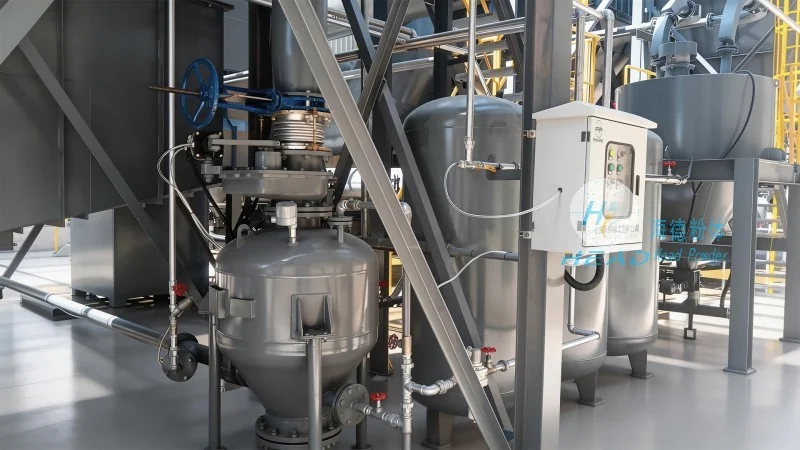
Positive pressure conveying, also known as pressure pneumatic conveying, uses compressed air to push clay dust through a pipeline. This method is suitable for short to medium-distance transport and is particularly effective for handling fine, dry materials. The system typically consists of a blower, a hopper, and a pipeline network. The advantages of positive pressure systems include high material flow rates, ability to handle abrasive materials, and relatively low maintenance costs. However, they have limitations, such as the need for regular cleaning of pipelines to prevent clogging and the potential for material degradation due to high air velocities. Additionally, positive pressure systems may not be suitable for long-distance transport due to energy consumption and pressure drop issues.
2. Negative Pressure Conveying Systems
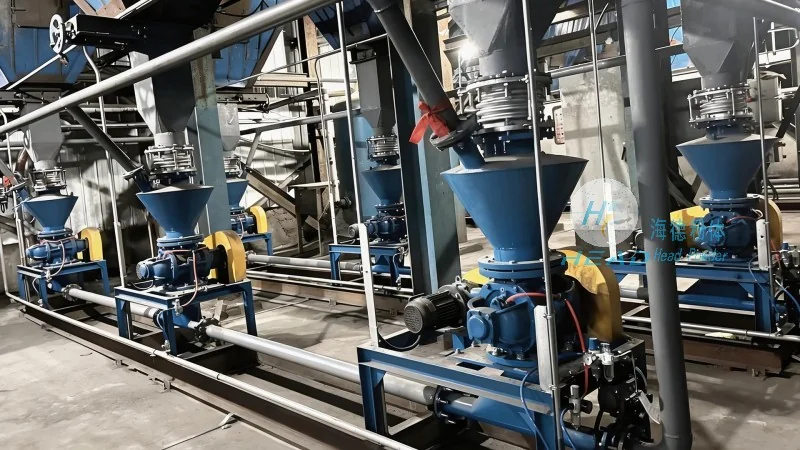
Negative pressure conveying, or vacuum pneumatic conveying, uses a vacuum to draw clay dust into a pipeline. This method is ideal for long-distance transport and is often used in applications where the material needs to be collected from multiple sources. The system includes a vacuum pump, a hopper, and a collection unit. The primary advantages of negative pressure systems are their ability to handle long distances, low material velocity, and reduced risk of dust emissions compared to positive pressure systems. However, they have drawbacks, including higher energy consumption, potential for material degradation due to prolonged exposure to air, and the need for more complex filtration systems to prevent dust buildup in the vacuum pump. Negative pressure systems are also more prone to clogging if the material contains moisture or sticky components.
3. Screw Conveyors
Screw conveyors, also known as auger conveyors, use a rotating screw to move clay dust through a trough or tube. This method is suitable for horizontal or slight incline transport and is commonly used in industries where the material is relatively dry and free-flowing. The advantages of screw conveyors include simplicity, low cost, and the ability to handle a wide range of materials. They are also easy to install and maintain, making them a popular choice for small to medium-scale operations. However, screw conveyors have limitations, such as the risk of material degradation due to friction and the need for regular cleaning to prevent clogging. They are not suitable for very fine or abrasive materials, as the screw and trough can wear out quickly.
4. Pneumatic Conveying with Air-Liquid Mixtures
Some industrial applications use a combination of air and liquid (e.g., water or oil) to transport clay dust. This method, known as air-liquid pneumatic conveying, is particularly effective for handling wet or sticky clay dust. The liquid helps to lubricate the material and prevent clogging, while the air provides the necessary pressure to move the mixture. The advantages of this system include improved material flow, reduced clogging, and lower energy consumption compared to traditional pneumatic conveying. However, it has drawbacks, such as the need for additional equipment to handle the liquid, potential for material contamination, and increased maintenance due to the presence of liquid in the system.
5. Hydraulic Conveying
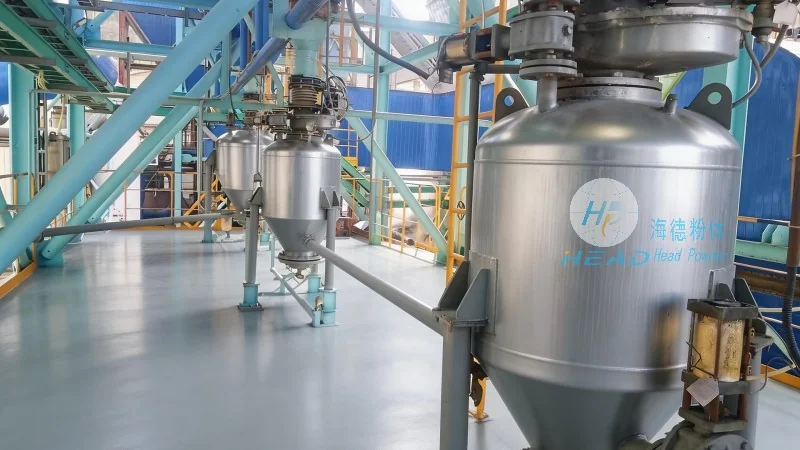
Hydraulic conveying uses water or other liquids to transport clay dust through a pipeline. This method is suitable for long-distance transport and is commonly used in mining and construction industries. The advantages of hydraulic systems include high material capacity, ability to handle abrasive materials, and reduced risk of dust emissions. However, they have significant limitations, including high water consumption, potential for environmental contamination, and the need for extensive filtration systems to remove solids from the water. Hydraulic conveying is also less efficient for fine clay dust, as the material may settle in the pipeline and cause clogging.
Conclusion: Selecting the Right Clay Dust Conveying Method
Choosing the appropriate clay dust conveying method depends on several factors, including the distance of transport, material properties (e.g., fineness, moisture content, abrasiveness), and operational requirements (e.g., cost, maintenance, safety). Positive pressure systems are ideal for short distances and dry materials, while negative pressure systems are better for long distances and fine materials. Screw conveyors are suitable for horizontal transport of dry materials, and air-liquid or hydraulic systems are used for wet or sticky materials. Industrial operators should consider the pros and cons of each method and consult with experts to determine the most suitable solution for their specific needs. By selecting the right clay dust conveying system, companies can improve efficiency, reduce costs, and ensure compliance with safety regulations, ultimately enhancing their overall operational performance.

 Shandong Headpowder Engineering Co., Ltd.
 156-6277-7102(Quản lý Trương)
  0531-83386006
  Thành phố Tế Nam, Tỉnh Sơn Đông, Trung Quốc
Điện thoại
WeChatTư vấn
Lên đầu