Với hơn 10 năm kinh nghiệm về vận chuyển khí nén, Headpowder Sơn Đông cung cấp hệ thống, thiết bị và quạt gió toàn chuỗi, đảm nhận các dự án kỹ thuật bột trọn gói trên toàn quốc.
When handling magnesium oxide powder, selecting the right conveying method is crucial for maintaining product quality, ensuring operational efficiency, and minimizing downtime. As a leading manufacturer in the field, Shandong HeadPowder Engineering Co., Ltd. (commonly known as HeadPowder) understands the complexities of material handling and offers insights into the most common and effective conveying methods for magnesium oxide powder.
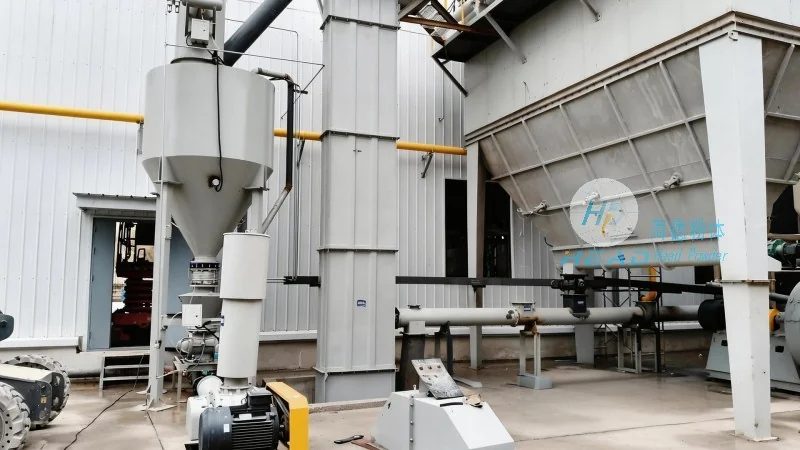
The Importance of Efficient Conveying Systems for Magnesium Oxide Powder
Efficient conveying systems are essential for industries that rely on magnesium oxide powder, such as construction, refractory materials, and chemical manufacturing. The choice of conveying method directly impacts the flow rate, particle integrity, and overall system reliability. A well-designed system can reduce material degradation, prevent clogging, and enhance safety in the workplace.
Common Conveying Methods for Magnesium Oxide Powder
There are several common methods used to transport magnesium oxide powder, each with its own advantages and limitations. Understanding these options helps businesses select the most suitable solution for their specific needs.
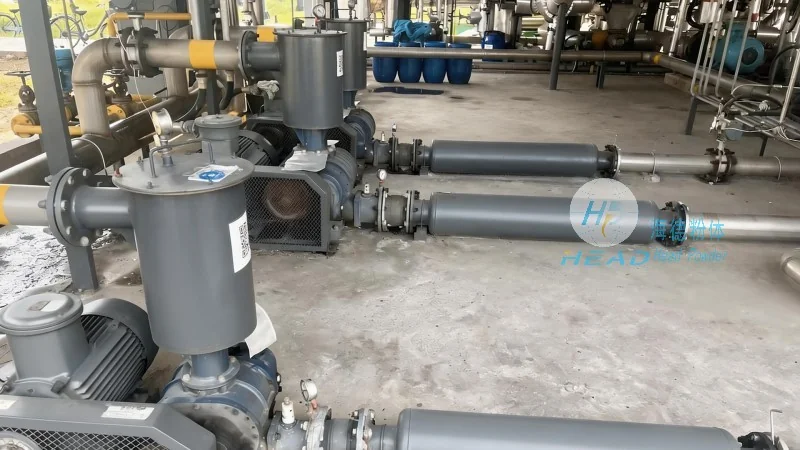
Pneumatic Conveying Systems
Pneumatic conveying systems use air or other gases to transport powder through a pipeline. This method is ideal for handling fine powders like magnesium oxide, as it minimizes particle breakage and allows for long-distance transport. There are two main types: pressure and vacuum systems. Pressure systems push the powder through the pipeline using compressed air, while vacuum systems draw the powder into the system using a vacuum pump. Pneumatic conveying is particularly effective for applications requiring high precision and low contamination, making it a popular choice in pharmaceutical and food industries, though it can be more expensive to install and maintain compared to other methods.
Screw Conveyors
Screw conveyors, also known as auger conveyors, use a rotating screw to move powder along a trough. This method is suitable for bulk handling of magnesium oxide powder and is often used in processing plants where the powder needs to be moved horizontally or at a slight incline. Screw conveyors are relatively simple in design, making them easy to install and maintain. However, they may cause some particle degradation due to friction and are not ideal for very fine powders that could get stuck in the screw. Additionally, they are less effective for vertical transport compared to other methods.
Belt Conveyors
Belt conveyors use a continuous belt to transport powder over rollers. This method is commonly used in mining and construction industries for moving large quantities of material over long distances. Belt conveyors are highly efficient for bulk handling and can handle a wide range of particle sizes. They are also relatively low-cost to install and maintain. However, they require regular maintenance to prevent belt wear and tear, and they may not be suitable for very fine powders that could fall through the belt or cause slippage.
Hydraulic Conveying Systems
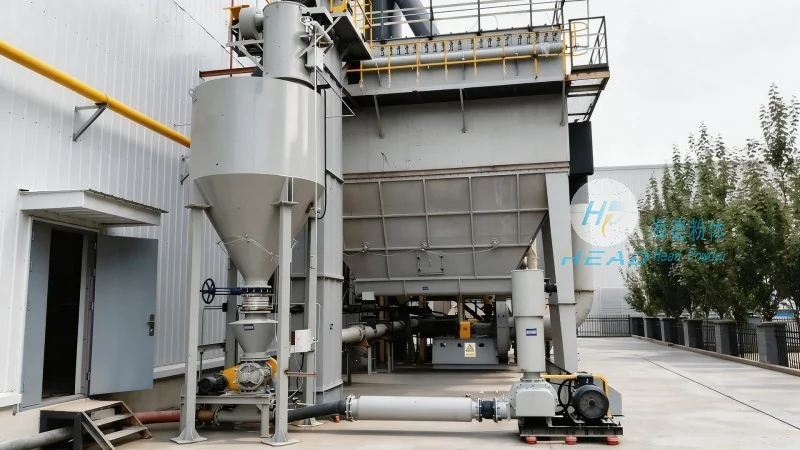
Hydraulic conveying systems use water or other liquids to transport powder in a slurry form. This method is effective for handling wet or sticky powders, but it may not be suitable for magnesium oxide powder unless it is mixed with a suitable liquid to create a stable slurry. Hydraulic systems are typically used in applications where the powder needs to be transported over long distances or through difficult terrain. They are more complex and expensive to install compared to pneumatic or mechanical systems, but they can offer high flow rates and are less prone to clogging.
Choosing the Right Conveying Method for Your Application
When selecting a conveying method for magnesium oxide powder, several factors should be considered, including the particle size, flow rate requirements, distance to be covered, and budget constraints. Pneumatic systems are best for fine powders and high precision, while screw and belt conveyors are more suitable for bulk handling and horizontal transport. Hydraulic systems are ideal for wet or sticky powders but require more maintenance. It is also important to consider the environmental impact and safety features of each system, as well as the availability of spare parts and technical support.
Conclusion and Company Information
Efficient conveying of magnesium oxide powder is essential for optimizing production processes and ensuring product quality. By understanding the different conveying methods and their applications, businesses can make informed decisions to improve their material handling systems. Shandong HeadPowder Engineering Co., Ltd. specializes in providing high-quality conveying solutions tailored to the needs of various industries, with a focus on durability, efficiency, and reliability. With our expertise and commitment to customer satisfaction, we help clients achieve their operational goals while maintaining the highest standards of safety and performance.

 Shandong Headpowder Engineering Co., Ltd.
 156-6277-7102(Quản lý Trương)
  0531-83386006
  Thành phố Tế Nam, Tỉnh Sơn Đông, Trung Quốc
Điện thoại
WeChatTư vấn
Lên đầu