Với hơn 10 năm kinh nghiệm về vận chuyển khí nén, Headpowder Sơn Đông cung cấp hệ thống, thiết bị và quạt gió toàn chuỗi, đảm nhận các dự án kỹ thuật bột trọn gói trên toàn quốc.
When it comes to the transportation of polyvinylidene fluoride (PVDF), selecting the appropriate method is crucial for ensuring the material's integrity, safety, and efficiency throughout the process. PVDF is a highly valued fluoropolymer known for its excellent chemical resistance, thermal stability, and mechanical properties, making it widely used in various industrial applications such as chemical processing, pharmaceuticals, and electronics. The choice of transportation method depends on factors like the volume of PVDF to be moved, the distance, the required flow rate, and the specific handling requirements of the material. This article will explore the common methods for transporting PVDF, providing insights into each approach and the considerations involved.
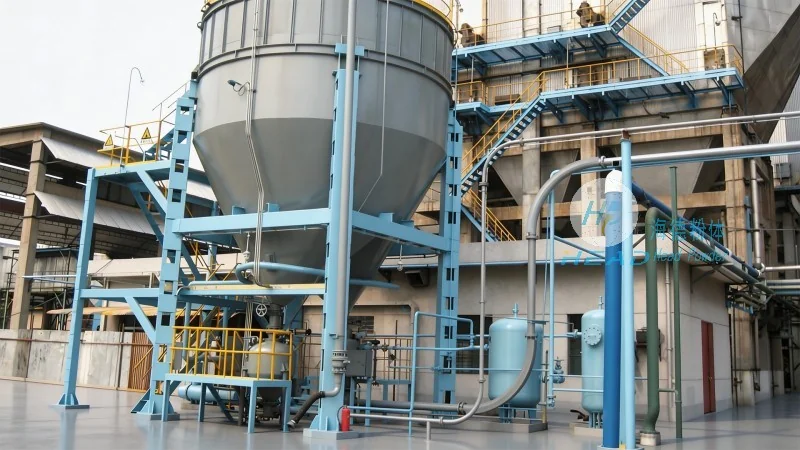
1. Pumping Systems for PVDF Transfer
Pumping is one of the most common and effective methods for transferring PVDF, especially when dealing with larger volumes or over longer distances. There are several types of pumps suitable for PVDF, including centrifugal pumps, positive displacement pumps, and diaphragm pumps. Centrifugal pumps are often preferred for their ability to handle high flow rates and are suitable for relatively low-viscosity PVDF solutions. Positive displacement pumps, such as gear pumps or progressing cavity pumps, are ideal for handling more viscous PVDF slurries or pastes, as they provide consistent flow rates and maintain pressure. Diaphragm pumps are also used, particularly for handling PVDF in a more controlled manner, often in applications where pulsation control is necessary. The selection of the pump type depends on the specific characteristics of the PVDF being transported, including its viscosity, temperature, and any potential contaminants. Proper maintenance and cleaning of the pump system are essential to prevent contamination and ensure the longevity of the equipment. Companies like Shandong HeadPowder Engineering Co., Ltd., known as HeadPowder, specialize in providing reliable pumping solutions tailored to the unique needs of PVDF transportation, ensuring that the material is moved safely and efficiently.
2. Piping and Pipeline Systems
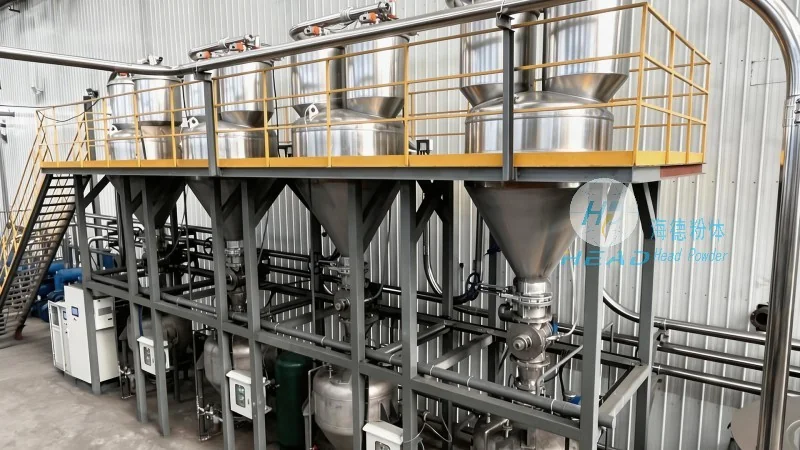
Piping and pipeline systems are fundamental to the transportation of PVDF, as they provide a continuous and controlled pathway for the material from the source to the destination. The design of the piping system must consider the chemical compatibility of the materials used, as PVDF is resistant to many chemicals but can be affected by certain solvents or high temperatures. Stainless steel, PTFE-lined pipes, or PVDF itself can be used for the piping, depending on the specific application and the conditions of the PVDF. The pipeline system may include valves, fittings, and flow meters to regulate and monitor the flow of PVDF. Proper installation and maintenance of the piping system are critical to prevent leaks, blockages, or degradation of the PVDF. HeadPowder, with its expertise in engineering and manufacturing, offers comprehensive piping solutions that ensure the safe and efficient transfer of PVDF, adhering to industry standards and best practices.
3. Storage and Transfer Tanks
For bulk storage and transfer of PVDF, storage tanks and transfer systems play a vital role. These tanks are typically made of materials compatible with PVDF, such as stainless steel or PVDF itself, to prevent any interaction between the material and the container. The storage tanks are designed to maintain the PVDF at the appropriate temperature and pressure, ensuring its stability. Transfer tanks, often equipped with agitators or mixing devices, help maintain the homogeneity of the PVDF, especially when it is in a slurry or paste form. The transfer process from storage tanks to the processing equipment is usually facilitated by pumps, as mentioned earlier. The design of the storage and transfer tank system must consider factors like the volume of PVDF to be stored, the required storage time, and the ease of access for maintenance and cleaning. HeadPowder provides high-quality storage and transfer tank solutions that are tailored to the specific requirements of PVDF handling, ensuring that the material is stored and transferred safely and efficiently.
4. Handling and Transfer Equipment
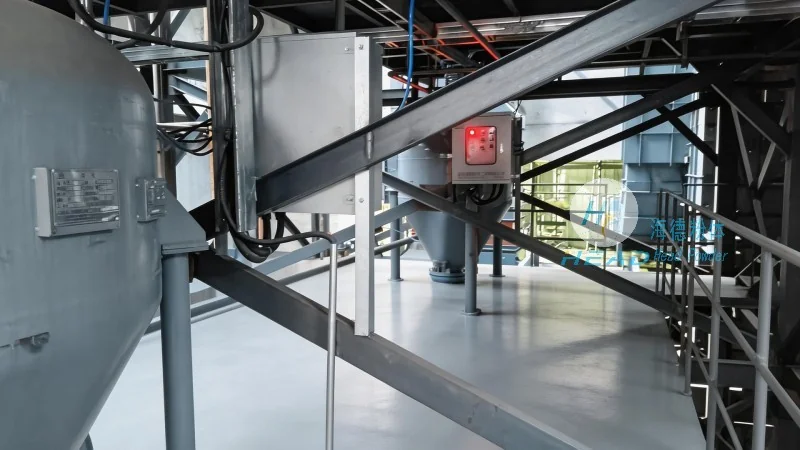
In addition to pumps and piping, specialized handling and transfer equipment is often used for the transportation of PVDF, particularly in scenarios where the material is in a solid or semi-solid form. This equipment includes conveyors, screw feeders, and pneumatic systems. Conveyors, such as belt conveyors or screw conveyors, are used to move solid PVDF pellets or granules from one location to another. Screw feeders are particularly effective for handling PVDF powders or pastes, as they can provide a controlled and consistent flow rate. Pneumatic systems, which use compressed air to move PVDF particles through a pipeline, are suitable for handling fine powders or dust. The choice of handling equipment depends on the form of PVDF and the specific application requirements. Proper sealing and filtration are essential to prevent dust or particles from escaping and to maintain the purity of the PVDF. HeadPowder offers a range of handling and transfer equipment designed to meet the diverse needs of PVDF transportation, ensuring that the material is handled with care and precision.
5. Safety and Regulatory Considerations
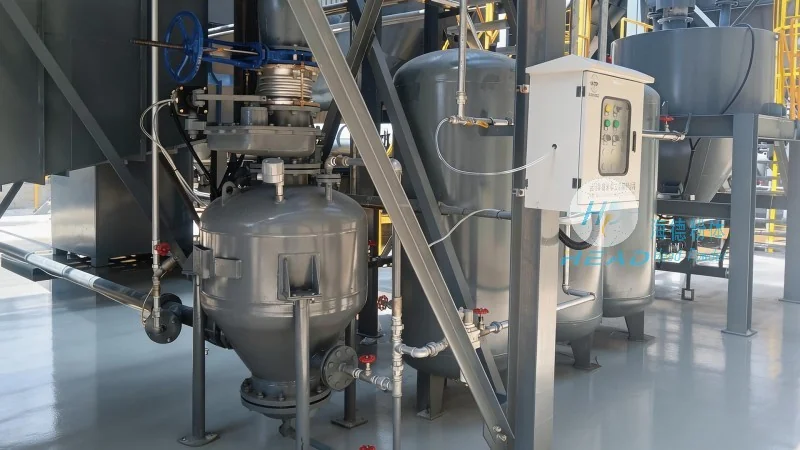
When transporting PVDF, safety and regulatory compliance are of utmost importance. PVDF is generally considered safe for handling, but proper precautions must be taken to avoid exposure to high temperatures or certain chemicals that may degrade it. The transportation system must be designed to prevent leaks and spills, and appropriate containment measures should be in place. Regulatory bodies often have specific guidelines for the handling and transportation of hazardous materials, and PVDF, while not classified as hazardous in most cases, still requires compliance with local and international standards. Companies like Shandong HeadPowder Engineering Co., Ltd. adhere to strict safety protocols and regulatory requirements, ensuring that their transportation solutions meet all necessary standards. This includes regular inspections, maintenance, and training for personnel involved in the transportation process. By prioritizing safety and compliance, HeadPowder ensures that the transportation of PVDF is conducted in a responsible and sustainable manner.
6. Conclusion
In conclusion, the transportation of polyvinylidene fluoride (PVDF) involves a range of methods and considerations to ensure the material's quality and safety. From pumping systems and piping to storage tanks and specialized handling equipment, each method plays a crucial role in the overall transportation process. The choice of method depends on the specific requirements of the application, including volume, distance, and material characteristics. Companies like Shandong HeadPowder Engineering Co., Ltd., or HeadPowder, provide comprehensive solutions tailored to the unique needs of PVDF transportation, ensuring that the material is moved efficiently and safely. By understanding the different methods and their applications, industries can optimize their PVDF transportation processes, enhancing productivity and maintaining the high standards associated with this valuable fluoropolymer.

 Shandong Headpowder Engineering Co., Ltd.
 156-6277-7102(Quản lý Trương)
  0531-83386006
  Thành phố Tế Nam, Tỉnh Sơn Đông, Trung Quốc
Điện thoại
WeChatTư vấn
Lên đầu