Với hơn 10 năm kinh nghiệm về vận chuyển khí nén, Headpowder Sơn Đông cung cấp hệ thống, thiết bị và quạt gió toàn chuỗi, đảm nhận các dự án kỹ thuật bột trọn gói trên toàn quốc.
Organic fertilizer granules are a vital component in modern agricultural practices, providing essential nutrients to soil and promoting sustainable crop growth. The efficient and reliable transport of these granules from production sites to application areas is crucial for optimizing farm operations and ensuring consistent nutrient delivery. Various methods have been developed to handle the transportation of organic fertilizer granules, each with its own advantages and applications. This article explores the different approaches available for transporting organic fertilizer granules, highlighting key considerations and practical implementations.
1. Pneumatic Conveying Systems
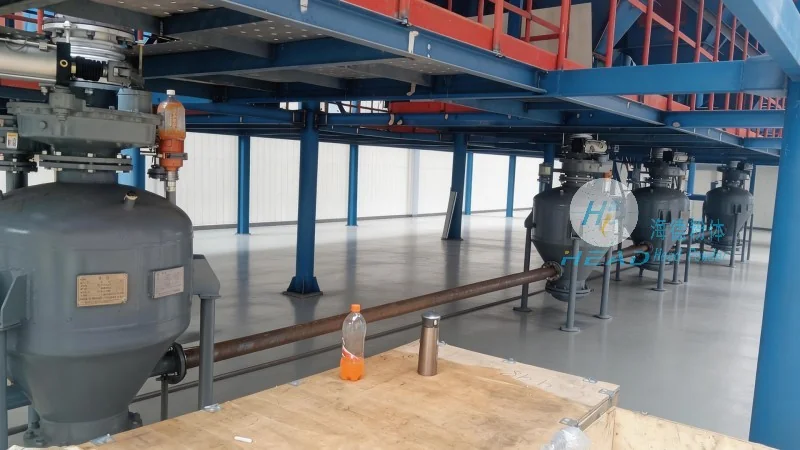
Pneumatic conveying is a widely used method for transporting organic fertilizer granules, particularly in bulk handling applications. This technology utilizes air pressure to move granules through a pipeline system. There are two main types of pneumatic conveying: pressure and vacuum systems. Pressure systems use compressed air to push granules forward, while vacuum systems use a vacuum to draw granules into the pipeline. Pneumatic conveying offers advantages such as high capacity, low maintenance requirements, and the ability to transport granules over long distances without the need for multiple transfer points. However, it requires careful design to ensure proper air flow and prevent blockages, especially with irregularly shaped granules. The system typically includes components like a hopper, feeder, and pipeline, with controls to regulate air pressure and flow rates. Pneumatic conveying is particularly effective for transporting granules from storage silos to processing facilities or for distribution to farms.
2. Screw Conveyors
Screw conveyors, also known as auger conveyors, are another common method for transporting organic fertilizer granules. These systems consist of a rotating screw inside a tube or trough, which moves granules along the length of the conveyor. Screw conveyors are suitable for horizontal or slightly inclined transport and are often used in processing plants to move granules from one stage to another. They are particularly effective for handling granules with a relatively uniform size and shape, as irregular particles can cause wear on the screw and trough. The speed of the screw and the pitch of the screw flights can be adjusted to control the flow rate and prevent overloading. Screw conveyors are generally low-cost and easy to install, making them a popular choice for small to medium-scale operations. They are also suitable for transporting granules with moisture content, as the enclosed design prevents dust and moisture loss. However, they may not be as efficient for long-distance transport compared to pneumatic systems, and they require regular maintenance to ensure smooth operation.
3. Belt Conveyors
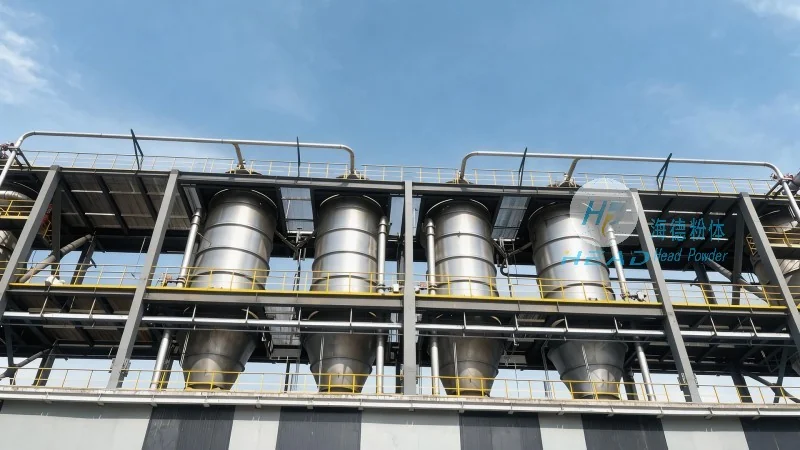
Belt conveyors are a versatile and widely adopted method for transporting organic fertilizer granules, especially in bulk handling and material handling applications. These systems use a continuous belt that moves over rollers or pulleys to transport granules from one location to another. Belt conveyors are suitable for both horizontal and inclined transport and can handle a wide range of granule sizes and types. They are particularly effective for transporting granules over long distances, such as from storage facilities to application sites on farms. The design of belt conveyors can be customized to meet specific requirements, including the width of the belt, the speed of the conveyor, and the type of belt material. For organic fertilizer granules, belts made of durable materials like rubber or polyurethane are commonly used to prevent wear and tear from abrasive particles. Belt conveyors can be equipped with accessories like feeders, hoppers, and idlers to enhance their functionality and ensure efficient transport. They are also suitable for transporting granules with varying moisture content, as the enclosed design helps maintain product quality. However, belt conveyors require regular maintenance to check for belt tension, wear, and alignment, and they may need cleaning to prevent buildup of granules on the belt surface.
4. Bucket Elevators
Bucket elevators are an efficient method for vertically transporting organic fertilizer granules, often used in processing plants to move granules from lower to higher levels. These systems consist of a series of buckets attached to a chain or belt, which moves vertically along a casing. The buckets scoop up granules from a hopper at the bottom and transport them to a discharge point at the top. Bucket elevators are particularly effective for handling granules with a relatively uniform size and shape, as irregular particles can cause the buckets to jam or wear out. They are also suitable for transporting granules with high moisture content, as the enclosed design prevents dust and moisture loss. The speed of the elevator and the spacing of the buckets can be adjusted to control the flow rate and prevent overloading. Bucket elevators are generally low-cost and easy to install, making them a popular choice for small to medium-scale operations. However, they may not be as efficient for long-distance transport compared to other methods, and they require regular maintenance to ensure smooth operation and prevent wear on the buckets and casing.
5. Hydraulic Conveying
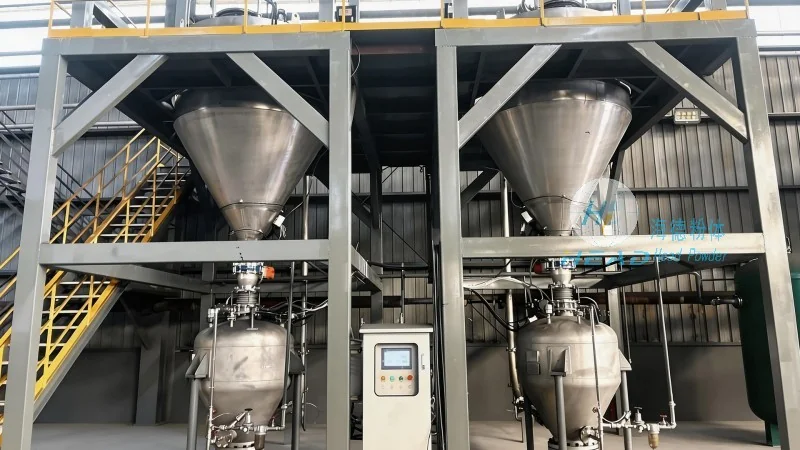
Hydraulic conveying is a specialized method for transporting organic fertilizer granules, particularly in applications where long-distance transport is required over uneven terrain. This technology uses a slurry of granules mixed with water or other liquids to move the material through a pipeline system. The slurry is pumped through the pipeline using hydraulic pressure, similar to a water system. Hydraulic conveying offers advantages such as the ability to transport granules over long distances, including uphill and downhill routes, and the ability to handle irregularly shaped granules. However, it requires careful management of the slurry consistency to prevent blockages and ensure efficient transport. The system typically includes components like a slurry tank, pump, and pipeline, with controls to regulate the flow rate and pressure. Hydraulic conveying is particularly effective for transporting granules from remote production sites to application areas, especially in hilly or mountainous regions. It is also suitable for transporting granules with high moisture content, as the liquid helps maintain product quality. However, hydraulic systems require regular maintenance to ensure proper operation and prevent wear on the pump and pipeline components.
6. Manual and Mechanical Handling
For smaller-scale operations or in situations where other methods are not feasible, manual and mechanical handling methods may be used to transport organic fertilizer granules. Manual handling involves the use of shovels, buckets, or wheelbarrows to move granules from one location to another. This method is suitable for small quantities and short distances but is labor-intensive and time-consuming. Mechanical handling methods include the use of forklifts, pallet jacks, or conveyor carts to transport granules. These methods are more efficient than manual handling and can handle larger quantities, but they are still limited by the scale of the operation. Manual and mechanical handling methods are often used in conjunction with other transport systems, such as for loading or unloading bulk containers. They are particularly effective for transporting granules to application areas on farms, where small quantities are needed. However, they require careful handling to prevent spillage and ensure product quality, and they may not be suitable for large-scale operations.
7. Factors to Consider When Choosing a Transport Method
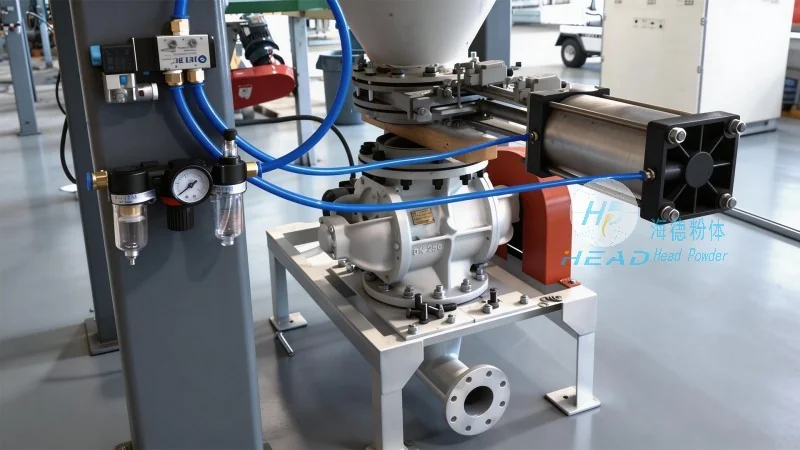
When selecting a method for transporting organic fertilizer granules, several factors need to be considered to ensure the most efficient and cost-effective solution. The first factor is the distance and layout of the transport route, including the need for vertical or horizontal transport. The second factor is the capacity and flow rate required, which depends on the production and application rates. The third factor is the characteristics of the granules, such as size, shape, moisture content, and abrasiveness, as these can affect the choice of equipment and system design. The fourth factor is the budget and maintenance requirements, as different methods have varying costs and maintenance needs. The fifth factor is the environmental considerations, such as dust control and noise reduction, especially in residential or sensitive areas. By carefully evaluating these factors, farmers and agricultural businesses can choose the most suitable transport method for their specific needs. For example, pneumatic conveying may be preferred for long-distance transport, while screw conveyors may be more suitable for processing plants. Belt conveyors are often used for bulk handling, and bucket elevators are effective for vertical transport. Hydraulic conveying is ideal for uneven terrain, while manual and mechanical handling methods are used for small-scale operations.
Conclusion
In conclusion, the transport of organic fertilizer granules is a critical aspect of modern agricultural practices, and various methods are available to meet the diverse needs of farmers and agricultural businesses. Pneumatic conveying, screw conveyors, belt conveyors, bucket elevators, and hydraulic conveying are all effective methods, each with its own advantages and applications. The choice of method depends on factors such as distance, capacity, granule characteristics, budget, and environmental considerations. By selecting the appropriate transport method, agricultural operations can optimize their efficiency, reduce costs, and ensure consistent nutrient delivery to soil. As the demand for organic fertilizers continues to grow, the development of efficient transport systems will remain essential for sustainable agricultural practices. Shandong HeadPowder Engineering Co., Ltd., a leading provider of agricultural equipment, offers a range of transport solutions tailored to the needs of farmers and agricultural businesses. With their expertise and commitment to quality, they help ensure the efficient and reliable transport of organic fertilizer granules, supporting sustainable crop growth and environmental stewardship.

 Shandong Headpowder Engineering Co., Ltd.
 156-6277-7102(Quản lý Trương)
  0531-83386006
  Thành phố Tế Nam, Tỉnh Sơn Đông, Trung Quốc
Điện thoại
WeChatTư vấn
Lên đầu