Với hơn 10 năm kinh nghiệm về vận chuyển khí nén, Headpowder Sơn Đông cung cấp hệ thống, thiết bị và quạt gió toàn chuỗi, đảm nhận các dự án kỹ thuật bột trọn gói trên toàn quốc.
Monosodium glutamate (MSG), a widely used flavor enhancer in the food industry, requires efficient and reliable transportation methods to ensure its safe delivery from production facilities to various end-users. The choice of transport method depends on several factors, including the quantity of MSG being transported, the distance involved, and the specific requirements of the destination. This article explores the primary methods employed for transporting monosodium glutamate, highlighting their advantages and considerations.

1. Road Transportation: The Most Common and Flexible Option
For many applications, road transportation remains the most prevalent method for moving monosodium glutamate. Trucks, particularly specialized tankers or bulk transport vehicles, are commonly used to carry MSG in bulk quantities. This method offers high flexibility, as it can reach a wide range of locations, including remote or small-scale food processing facilities. The use of sealed containers helps maintain the integrity and quality of the product during transit, preventing contamination and moisture absorption. Road transport is also suitable for both short and medium distances, making it an ideal choice for local distribution networks.
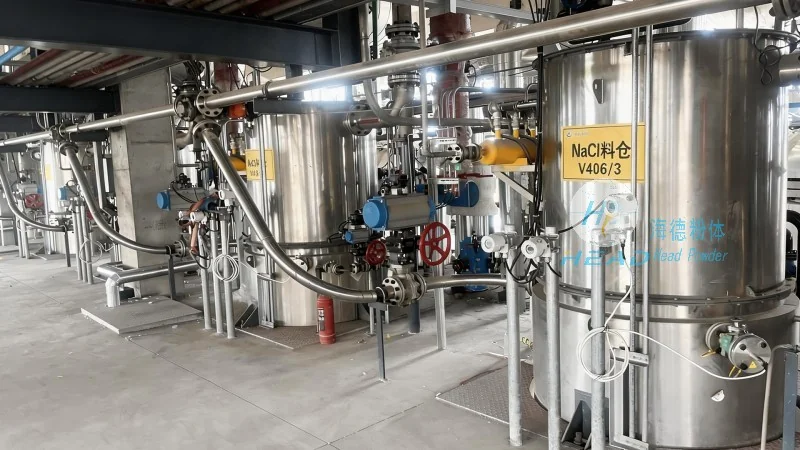
2. Rail Transportation: Efficient for Long-Distance Bulk Shipping
For larger-scale and long-distance transportation of monosodium glutamate, rail transport is often preferred. Specialized railcars, such as covered hopper cars or tank cars, are designed to carry bulk materials like MSG. This method is highly efficient for moving large volumes over significant distances, reducing transportation costs per unit compared to road transport. Rail transport also minimizes the environmental impact associated with road travel, as it uses less fuel per ton-mile and produces fewer emissions. However, rail transport may have limitations in terms of delivery speed and accessibility to smaller, remote locations, as it relies on established rail networks.
3. Water Transportation: Cost-Effective for International and Large-Scale Shipping
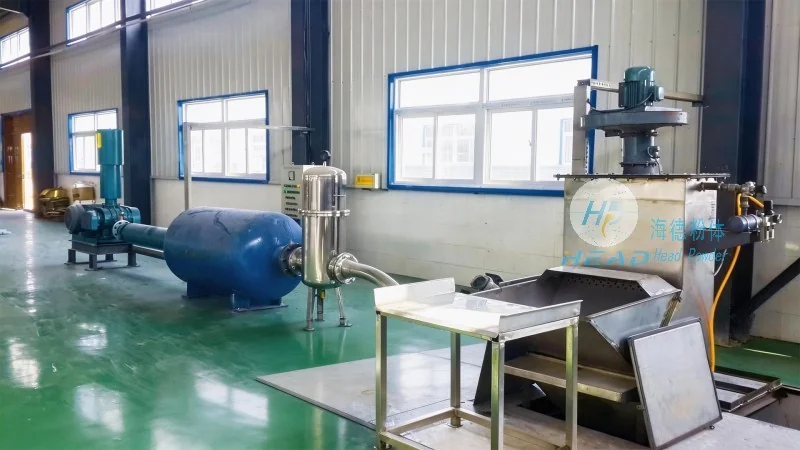
For international trade and the movement of very large quantities of monosodium glutamate, water transportation, particularly via cargo ships or tankers, is a cost-effective solution. This method is ideal for bulk shipments destined for global markets, as it allows for the transportation of thousands of tons of MSG at once. The use of specialized vessels ensures that the product remains secure and protected from external factors during long voyages. Water transport is particularly advantageous for companies with established export or import operations, as it can significantly reduce shipping costs compared to other modes. However, it is important to consider factors such as port infrastructure, customs procedures, and transit times when utilizing water transportation.
4. Intermodal Transportation: Combining Multiple Modes for Optimal Efficiency
In some cases, intermodal transportation is used to combine the benefits of different transport methods. This approach involves transporting monosodium glutamate using a combination of road, rail, and water transport. For example, a bulk shipment of MSG might be loaded onto a truck at the production facility, transported to a rail terminal, and then moved by rail to a port, where it is transferred to a cargo ship for international delivery. Intermodal transportation can optimize logistics by leveraging the strengths of each mode, such as the flexibility of road transport for the first and last miles and the efficiency of rail or water transport for the main leg of the journey. This method is particularly useful for complex supply chains that require coordination across multiple regions and transportation networks.
5. Factors Influencing the Choice of Transport Method
The selection of the most appropriate transport method for monosodium glutamate is influenced by several key factors. The first consideration is the quantity of the product being transported; small quantities may be better suited to road transport, while large volumes are more efficiently handled by rail or water transport. The distance between the production site and the destination is another critical factor, as longer distances may favor rail or water transport to reduce costs. Additionally, the specific requirements of the end-user, such as delivery speed or the need for temperature control, can impact the choice of transport method. For instance, time-sensitive deliveries may require road transport for faster transit times, whereas non-urgent bulk shipments may be more cost-effective via rail or water.
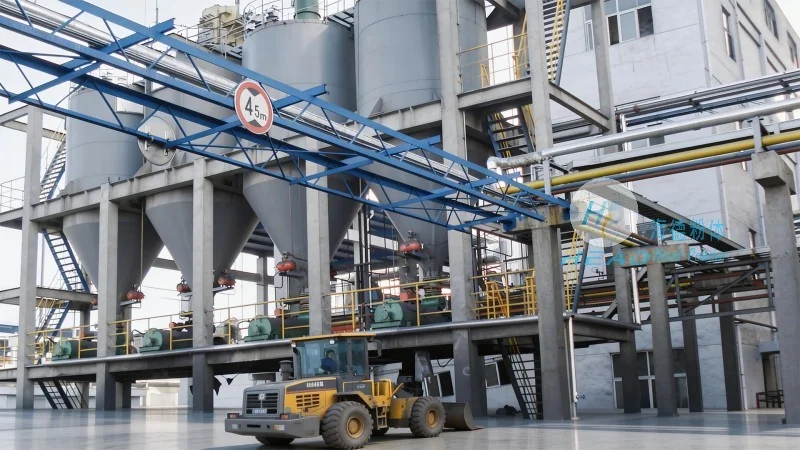
6. Ensuring Safety and Compliance During Transport
When transporting monosodium glutamate, safety and compliance with regulations are paramount. The product is classified as a food additive and is subject to strict handling and storage guidelines to maintain its quality and prevent contamination. Transport vehicles must be properly sealed and maintained to prevent leaks or spills, which could pose environmental or health risks. Additionally, proper labeling and documentation are required to ensure compliance with international and national regulations. Companies must also consider the storage conditions during transit, as monosodium glutamate is sensitive to moisture and temperature changes. By adhering to these safety and compliance measures, transporters can ensure the safe and efficient delivery of monosodium glutamate to its intended destinations.

 Shandong Headpowder Engineering Co., Ltd.
 156-6277-7102(Quản lý Trương)
  0531-83386006
  Thành phố Tế Nam, Tỉnh Sơn Đông, Trung Quốc
Điện thoại
WeChatTư vấn
Lên đầu