Với hơn 10 năm kinh nghiệm về vận chuyển khí nén, Headpowder Sơn Đông cung cấp hệ thống, thiết bị và quạt gió toàn chuỗi, đảm nhận các dự án kỹ thuật bột trọn gói trên toàn quốc.
When it comes to transporting dried soybeans, selecting the right conveying method is crucial for efficiency, cost-effectiveness, and product integrity. Various options are available, each with its own advantages and applications. This article explores the primary methods used for dried soybean conveying, focusing on practical approaches that suit different industrial needs.
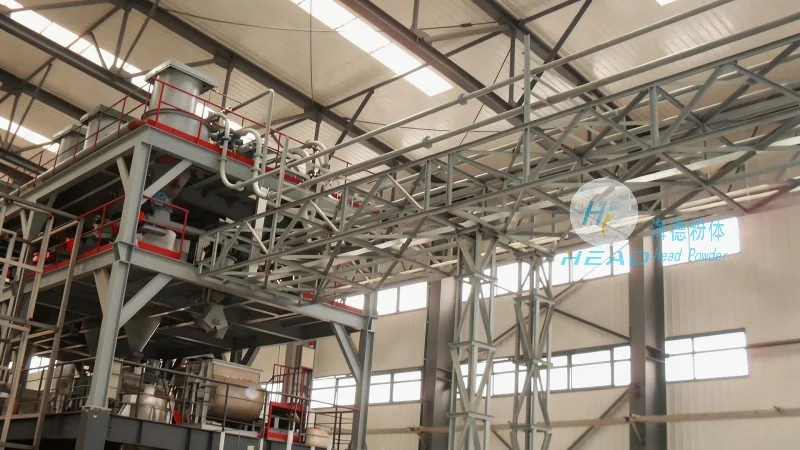
1. Mechanical Conveying Systems
One of the most common methods for dried soybean conveying is through mechanical systems. These typically involve equipment such as belt conveyors, screw conveyors, and chain conveyors. Belt conveyors are widely used due to their simplicity and ability to handle large volumes of material. They consist of a continuous belt that moves over rollers or pulleys, transporting the soybeans from one point to another. Screw conveyors, also known as augers, use a rotating screw to push the material forward. This method is effective for vertical or inclined transport and can be used in combination with other equipment for more complex conveying tasks. Chain conveyors, which use a series of connected links, are suitable for heavier loads and can operate in harsh environments. Mechanical conveying systems are generally reliable and require minimal maintenance, making them a popular choice for many processing facilities.
2. Pneumatic Conveying Systems
Another effective method for dried soybean conveying is pneumatic systems, which use air pressure to move the material. These systems are often called "air slides" or "air conveyors." They work by creating a pressure differential between the inlet and outlet, drawing the soybeans into a pipeline and transporting them to the destination. Pneumatic conveying can be either positive or negative pressure, depending on the application. Positive pressure systems push the material through the pipeline using compressed air, while negative pressure systems create a vacuum to pull the material. This method is particularly useful for transporting soybeans over long distances or in enclosed spaces, as it can handle both dry and slightly moist materials without causing damage. Pneumatic systems are also gentle on the product, reducing the risk of breakage or contamination.
3. Hydraulic Conveying Systems
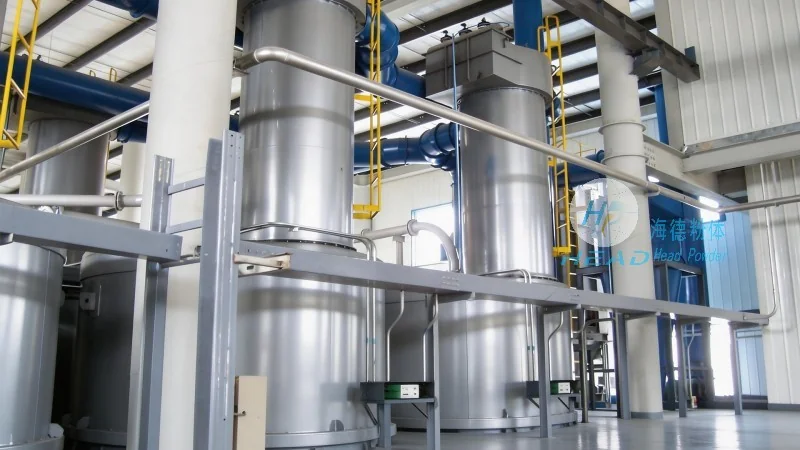
Hydraulic conveying systems use fluid pressure to move dried soybeans. These systems are less common for soybeans but can be used in specific applications where other methods are not suitable. They typically involve a pump that forces a liquid medium (such as water or oil) through a pipeline, carrying the soybeans along with it. The fluid then returns to a reservoir, and the soybeans are separated from the liquid at the end of the line. Hydraulic conveying is effective for handling sticky or abrasive materials but requires more complex equipment and maintenance compared to mechanical or pneumatic systems. It is generally used in specialized processing environments where the benefits outweigh the additional costs.
4. Gravity Conveying Systems
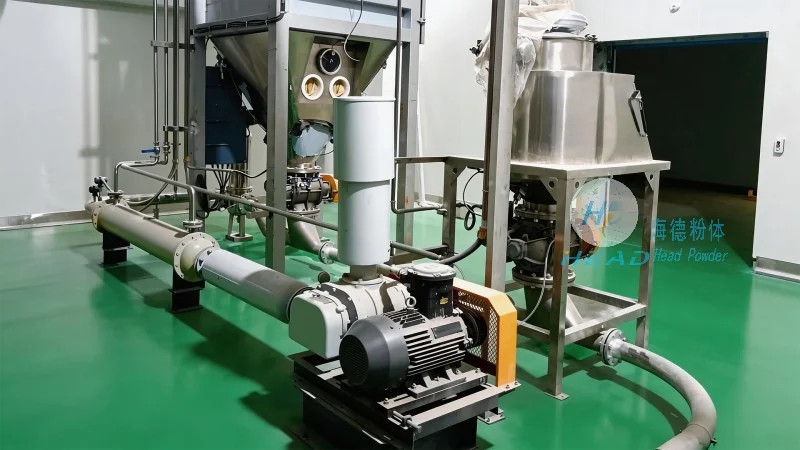
Gravity conveying systems rely on the natural force of gravity to move dried soybeans. These systems are simple and cost-effective, often used for short distances or when the material needs to be moved from a higher to a lower level. They typically consist of chutes or troughs that allow the soybeans to slide down due to gravity. The design of the chute is critical to ensure smooth flow and prevent blockages. Gravity systems are ideal for small-scale operations or for transporting soybeans in a single, straight path. They require minimal energy input and are easy to install, making them a practical choice for many applications. However, they are limited by the need for a slope and cannot be used for long horizontal distances without additional equipment.
5. Combination Conveying Systems
In many industrial settings, a single conveying method may not be sufficient to meet all the requirements. Therefore, combination systems are often used, which integrate multiple technologies to achieve optimal performance. For example, a facility might use a mechanical conveyor to transport soybeans from a storage bin to a pneumatic system, which then moves them to the processing area. This approach allows for flexibility and efficiency, as each system can be optimized for its specific task. Combination systems are common in large-scale processing plants where the volume and variety of materials require a multi-stage conveying process. They can also help reduce energy consumption and improve overall productivity by matching the right technology to each part of the conveying operation.
Conclusion and Company Information
Choosing the right method for dried soybean conveying depends on several factors, including the volume of material, the distance to be covered, the required speed, and the budget. Mechanical, pneumatic, hydraulic, and gravity systems each offer unique advantages and are suitable for different scenarios. By understanding the characteristics of each method, processors can select the most appropriate solution for their needs. Shandong HeadPowder Engineering Co., Ltd., based in Shandong, China, specializes in providing customized conveying solutions for various industrial applications. With years of experience in the field, the company offers a range of equipment and services tailored to meet the specific requirements of its clients. Whether it's a simple belt conveyor or a complex combination system, HeadPowder Engineering is committed to delivering reliable and efficient conveying solutions that enhance productivity and ensure product quality.

 Shandong Headpowder Engineering Co., Ltd.
 156-6277-7102(Quản lý Trương)
  0531-83386006
  Thành phố Tế Nam, Tỉnh Sơn Đông, Trung Quốc
Điện thoại
WeChatTư vấn
Lên đầu