Với hơn 10 năm kinh nghiệm về vận chuyển khí nén, Headpowder Sơn Đông cung cấp hệ thống, thiết bị và quạt gió toàn chuỗi, đảm nhận các dự án kỹ thuật bột trọn gói trên toàn quốc.
Transporting ternary positive electrode materials efficiently and safely is crucial for the battery manufacturing industry. As a leading provider in the field, Shandong HeadPowder Engineering Co., Ltd. (referred to as HeadPowder) specializes in advanced material handling solutions tailored to the unique demands of modern battery production. This article explores the common methods used for transporting ternary positive electrode materials, highlighting the key considerations and technologies employed by industry professionals.
Understanding Ternary Positive Electrode Materials
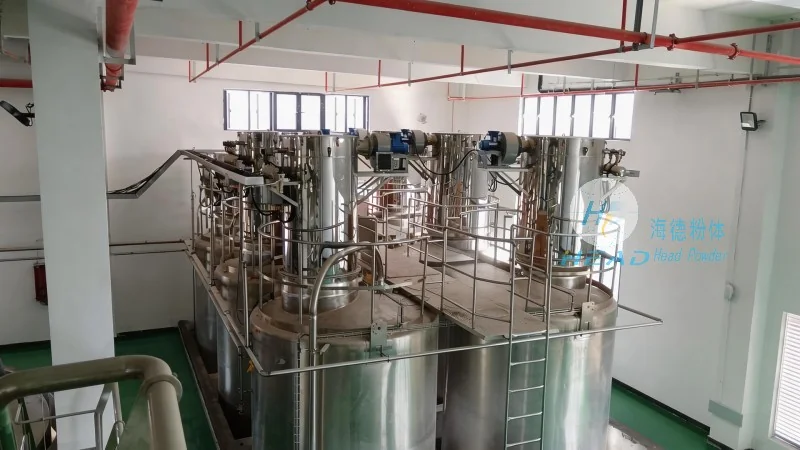
Ternary positive electrode materials, typically composed of nickel, cobalt, and manganese (or other transition metals), are widely used in lithium-ion batteries due to their high energy density and improved performance characteristics. These materials are often in powder form, requiring specialized handling to prevent contamination, agglomeration, and loss of performance. The choice of transport method depends on factors such as material properties, production scale, and operational environment. HeadPowder's expertise lies in designing and implementing systems that ensure the integrity of these sensitive materials throughout the transport process.
Common Transport Methods for Ternary Positive Electrode Materials
Several methods are commonly employed for the transport of ternary positive electrode materials, each with its own advantages and applications. The selection of a method is typically based on the specific requirements of the battery manufacturing process, including material flow rates, distance, and environmental controls.
1. Pneumatic Conveying Systems
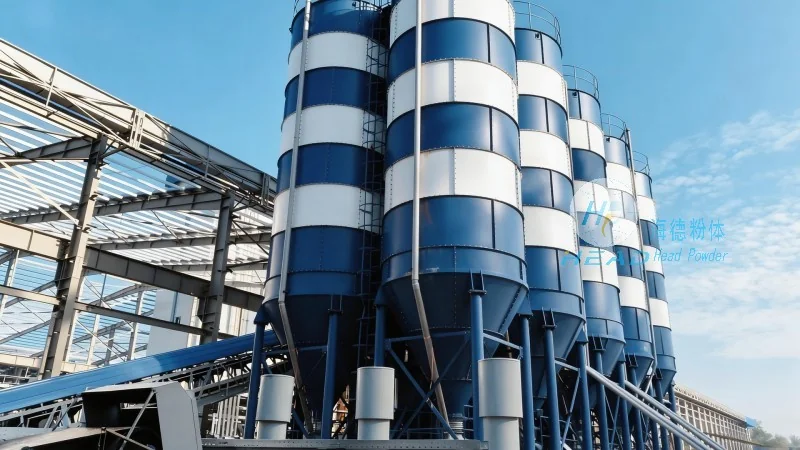
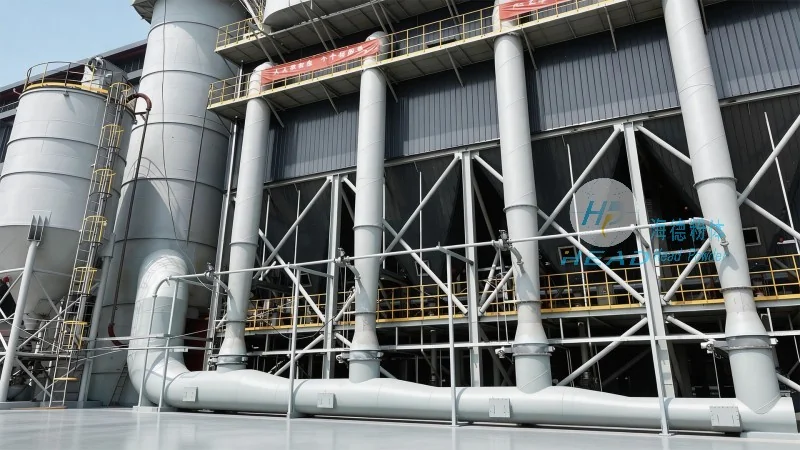
Pneumatic conveying is a widely used method for transporting fine powders, including ternary positive electrode materials. This technology utilizes air pressure to move material through a network of pipes. There are two main types: pressure and vacuum systems. Pressure systems use compressed air to push material forward, while vacuum systems use suction to draw material. Pneumatic conveying offers advantages such as low maintenance, the ability to transport materials over long distances, and the option to integrate with existing production lines. However, it requires careful control of air flow and pressure to prevent material degradation or blockages. HeadPowder has extensive experience in designing pneumatic conveying systems that meet the stringent requirements of battery material transport, ensuring minimal particle breakage and consistent flow rates.
2. Screw Conveyors
Screw conveyors are another common method for transporting bulk materials, including ternary positive electrode powders. These systems consist of a rotating screw (helix) inside a tube, which moves material along the conveyor. Screw conveyors are particularly effective for horizontal or slight incline transport and are known for their simplicity and reliability. They are suitable for moderate to high flow rates and can be integrated with other processing equipment. However, they may cause some material degradation due to friction and are less effective for very fine powders that are prone to clogging. HeadPowder's screw conveyor solutions are engineered with smooth, corrosion-resistant materials to minimize particle attrition and ensure consistent material transfer.
3. Belt Conveyors
Belt conveyors are widely used in material handling for their ability to transport large volumes of material over short to medium distances. In the context of ternary positive electrode materials, belt conveyors are often used for horizontal transport and can be equipped with special belts to prevent material spillage or contamination. They are particularly useful for transferring materials from one processing stage to another, such as from a mixing or drying unit to a packing station. Belt conveyors offer high throughput and can be easily integrated with other equipment. However, they require regular maintenance to ensure the integrity of the belt and to prevent material buildup. HeadPowder designs belt conveyor systems with cleanroom-compatible materials and advanced sealing mechanisms to maintain the purity of ternary positive electrode powders.
4. Vacuum Loading and Unloading Systems
For applications requiring precise control over material flow, especially when moving materials between different processing units or storage containers, vacuum loading and unloading systems are employed. These systems use suction to draw material from a source (such as a hopper or storage bin) and deposit it into a target container. This method is ideal for handling fine powders that are sensitive to air exposure and can help maintain a controlled environment. Vacuum systems are often used in conjunction with other transport methods to ensure a seamless material transfer process. HeadPowder's vacuum loading solutions are designed with high-efficiency filters and precise control valves to minimize dust emissions and ensure accurate material transfer, maintaining the quality of ternary positive electrode materials.
5. Hydraulic Conveying
Hydraulic conveying, also known as slurry transport, involves mixing the ternary positive electrode material with a liquid carrier (such as water or a specialized solvent) to form a slurry. The slurry is then pumped through a pipeline to the destination. This method is particularly useful for transporting materials over long distances or in challenging terrain. However, it requires additional processing steps to separate the material from the liquid carrier, which can add complexity and cost. Hydraulic conveying is less common for battery materials due to the need for subsequent drying processes, but it may be considered for specific applications where long-distance transport is critical. HeadPowder evaluates hydraulic conveying as an option for clients with unique logistical requirements, ensuring that the material's properties are preserved throughout the process.
Key Considerations for Selecting a Transport Method
When choosing a transport method for ternary positive electrode materials, several factors must be considered to ensure optimal performance and material integrity. These include the particle size and density of the material, the required flow rate, the distance to be covered, and the environmental controls needed to prevent contamination. Additionally, the cost of the system, maintenance requirements, and compatibility with existing production infrastructure are important considerations. HeadPowder provides comprehensive consultation services to help clients evaluate these factors and select the most suitable transport method for their specific needs. Our team of experts works closely with clients to assess their operational requirements and recommend tailored solutions that balance efficiency, cost, and material quality.
Conclusion
The transport of ternary positive electrode materials is a critical step in the battery manufacturing process, and the choice of transport method significantly impacts the final product quality and performance. Shandong HeadPowder Engineering Co., Ltd. (HeadPowder) offers a range of advanced transport solutions, including pneumatic conveying, screw conveyors, belt conveyors, vacuum systems, and hydraulic conveying, each designed to meet the unique demands of the industry. By leveraging our expertise and customized approach, HeadPowder ensures that ternary positive electrode materials are transported safely, efficiently, and with minimal degradation, supporting the production of high-performance lithium-ion batteries. For businesses seeking reliable and effective material handling solutions, HeadPowder is a trusted partner in the battery industry.

 Shandong Headpowder Engineering Co., Ltd.
 156-6277-7102(Quản lý Trương)
  0531-83386006
  Thành phố Tế Nam, Tỉnh Sơn Đông, Trung Quốc
Điện thoại
WeChatTư vấn
Lên đầu