Với hơn 10 năm kinh nghiệm về vận chuyển khí nén, Headpowder Sơn Đông cung cấp hệ thống, thiết bị và quạt gió toàn chuỗi, đảm nhận các dự án kỹ thuật bột trọn gói trên toàn quốc.
When it comes to handling polypropylene resin powder, selecting the right conveying method is crucial for ensuring efficiency, safety, and product integrity. Polypropylene (PP) is a widely used thermoplastic polymer, and its powder form requires specialized handling due to its fine particle size and potential for static charge accumulation. This article explores several common methods used for polypropylene resin powder conveying, each with its own advantages and applications.
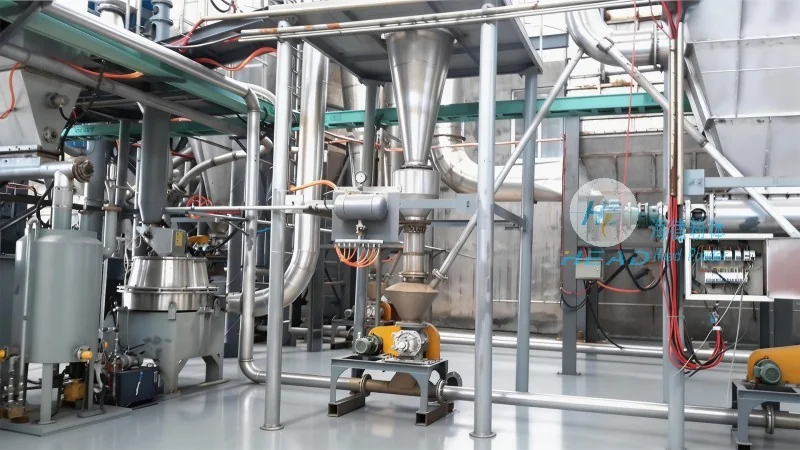
1. Air-Pressure Conveying Systems
One of the most popular methods for polypropylene resin powder conveying is air-pressure (or pneumatic) conveying. This system uses compressed air to transport the powder through a network of pipes. The process involves creating a pressure differential between the inlet and outlet of the conveying line, which draws the powder particles into the air stream. Air-pressure conveying is particularly effective for long-distance transport and can handle large volumes of material. It is also suitable for applications where dust control is a priority, as the material is contained within the pipe system. The equipment typically includes a hopper, a rotary airlock valve, and a receiver, all designed to minimize material loss and prevent contamination. For polypropylene resin powder, this method is ideal for applications such as plastic molding, extrusion, and compounding, where consistent flow and low contamination are essential.
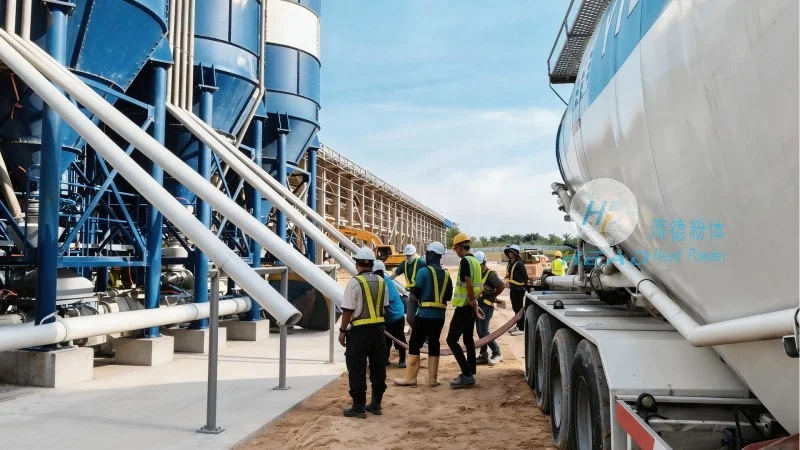
2. Screw Conveyors
Screw conveyors are another common solution for polypropylene resin powder handling. These devices use a rotating screw (or auger) to move the material along a trough. The screw's rotation creates a pushing action that propels the powder forward. Screw conveyors are often used for horizontal or slight incline transport and are particularly effective for handling bulk materials in a continuous manner. They are relatively simple in design, making them cost-effective and easy to maintain. For polypropylene resin powder, screw conveyors are suitable for applications where the material needs to be moved within a processing plant, such as from a storage silo to a mixing or extrusion unit. The design can be customized to handle different particle sizes and flow rates, ensuring efficient operation. However, it is important to consider the potential for material buildup on the screw surface, which can affect performance and require regular cleaning.
3. Belt Conveyors
Belt conveyors are widely used in the polypropylene resin powder industry for transporting larger quantities of material over longer distances. These systems consist of a continuous belt that moves over rollers or pulleys, carrying the powder from one location to another. Belt conveyors are particularly effective for applications where the material needs to be moved in a straight line or over uneven terrain. They are also suitable for handling wet or sticky powders, as the belt can be designed with special coatings to prevent material adhesion. For polypropylene resin powder, belt conveyors are commonly used in bulk handling operations, such as loading trucks or transporting material to storage silos. The speed and capacity of the conveyor can be adjusted to meet the specific requirements of the application, ensuring optimal performance. However, belt conveyors require regular maintenance to ensure the belt remains in good condition and to prevent material spillage.
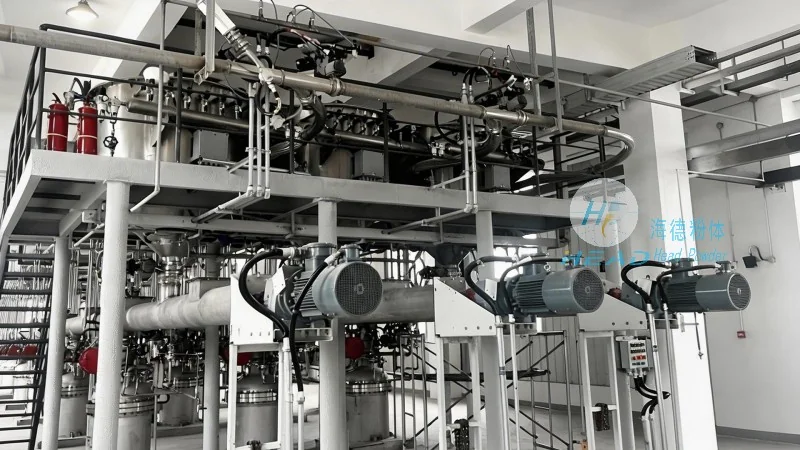
4. Pneumatic Vacuum Conveying
Pneumatic vacuum conveying is a variation of air-pressure conveying that uses a vacuum to draw the polypropylene resin powder into the conveying system. This method is particularly useful for short-distance transport and for handling materials that are difficult to move by pressure alone. The system typically includes a vacuum pump, a hopper, and a receiver, all connected by a network of pipes. The vacuum creates a negative pressure that pulls the powder particles into the air stream, allowing for efficient transport. Pneumatic vacuum conveying is often used in applications where the material needs to be transferred from a low point to a higher point, as the vacuum can overcome gravity and move the material upward. For polypropylene resin powder, this method is ideal for applications such as filling containers or transferring material from a hopper to a processing unit. The system is also relatively quiet and can handle a wide range of particle sizes without causing excessive wear on the equipment.
5. Hydraulic Conveying
Hydraulic conveying is a less common but effective method for polypropylene resin powder handling. This system uses a liquid medium, such as water or a specialized fluid, to transport the powder through a pipeline. The liquid creates a slurry that moves the material along the pipe, similar to how a liquid transports solids in a pipeline. Hydraulic conveying is particularly useful for handling materials that are difficult to move by air or mechanical means, such as very fine powders or those with high moisture content. For polypropylene resin powder, this method is often used in applications where the material needs to be transported over long distances or in large quantities, such as in the production of plastic pellets or in the compounding process. The system requires careful control of the liquid flow rate and pressure to ensure efficient transport and to prevent clogging or damage to the pipeline. However, hydraulic conveying systems are more complex and require regular maintenance to ensure proper operation.
Conclusion and Company Information
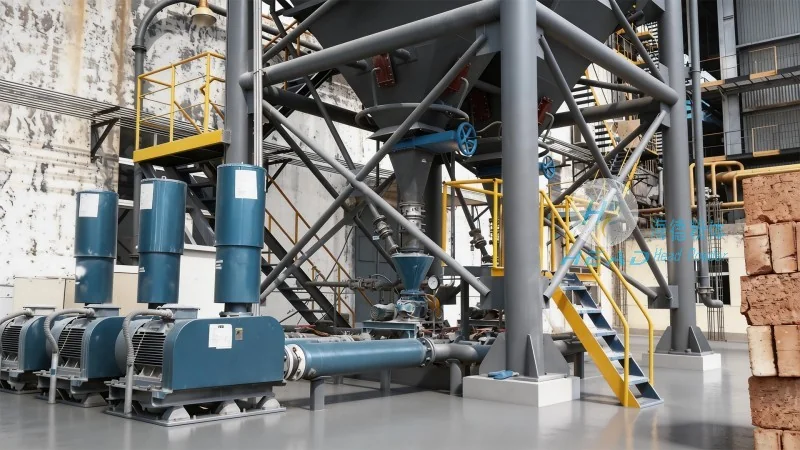
Choosing the right conveying method for polypropylene resin powder depends on several factors, including the application requirements, material properties, and operational constraints. Air-pressure conveying, screw conveyors, belt conveyors, pneumatic vacuum conveying, and hydraulic conveying each offer unique advantages and are suitable for different scenarios. It is essential to consider factors such as material flow rate, distance, and environmental conditions when selecting a conveying system. For businesses dealing with polypropylene resin powder, partnering with a reputable supplier can ensure that the right equipment is chosen and installed to meet their specific needs.
Shandong HeadPowder Engineering Co., Ltd. (headpowder) is a leading provider of conveying solutions for polypropylene resin powder and other bulk materials. With years of experience in the industry, the company specializes in designing and manufacturing customized conveying systems that meet the unique requirements of each client. HeadPowder's team of experts works closely with customers to understand their operational needs and provides tailored solutions that enhance efficiency and safety. The company's products are known for their durability, reliability, and ease of maintenance, making them a trusted choice for businesses in the plastic and polymer industry. HeadPowder's commitment to quality and customer satisfaction has made it a leading name in the market, serving clients both domestically and internationally. With a focus on innovation and customer service, HeadPowder continues to provide top-tier conveying solutions that help businesses optimize their operations and achieve their production goals.

 Shandong Headpowder Engineering Co., Ltd.
 156-6277-7102(Quản lý Trương)
  0531-83386006
  Thành phố Tế Nam, Tỉnh Sơn Đông, Trung Quốc
Điện thoại
WeChatTư vấn
Lên đầu