Với hơn 10 năm kinh nghiệm về vận chuyển khí nén, Headpowder Sơn Đông cung cấp hệ thống, thiết bị và quạt gió toàn chuỗi, đảm nhận các dự án kỹ thuật bột trọn gói trên toàn quốc.
When dealing with the disposal and transportation of furfural residue ash, selecting the right method is crucial for efficiency and safety. Furfural, a key chemical intermediate, is produced through the distillation of agricultural byproducts like corn cobs or wheat bran. The resulting residue ash, though low in value, poses challenges in handling due to its granular and sometimes sticky nature. Effective transportation ensures proper waste management and minimizes environmental impact. This article explores the common methods used for transporting furfural residue ash, highlighting the technical considerations and practical applications.
Overview of Furfural Residue Ash Characteristics
Furfural residue ash typically consists of inorganic materials left after the furfural extraction process. It often contains silica, carbon, and other minerals, presenting a dry, powdery or semi-solid material. The physical properties of this ash, such as particle size, moisture content, and bulk density, significantly influence the choice of transportation method. For instance, fine particles may require specialized equipment to prevent dust generation, while higher moisture content could affect the flowability of the material. Understanding these characteristics is essential for selecting an appropriate transport system that ensures minimal material loss and operational efficiency.
Common Transportation Methods for Furfural Residue Ash
Several methods are commonly employed to transport furfural residue ash, each with its own advantages and limitations. The selection depends on factors like the scale of operation, the distance to be covered, and the specific properties of the ash. Below are the primary methods used in industrial settings:
1. Screw Conveyors for Horizontal and Inclined Transport
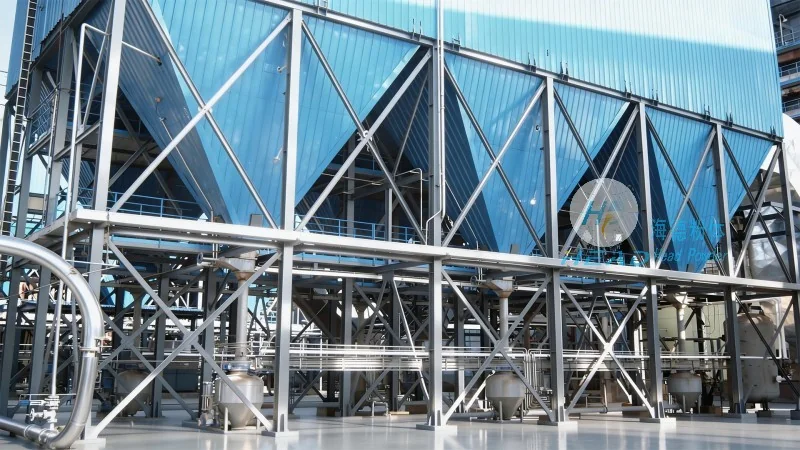
Screw conveyors, also known as auger conveyors, are widely used for transporting furfural residue ash due to their simplicity and effectiveness in handling dry, free-flowing materials. These systems consist of a rotating screw (auger) inside a U-shaped or cylindrical housing. The screw rotates, pushing the material forward along the conveyor. For furfural ash, screw conveyors are particularly suitable for horizontal or slight incline transport, as they can handle fine particles without excessive wear. The design allows for enclosed transport, which helps in controlling dust and preventing contamination. Additionally, screw conveyors can be easily integrated with other processing equipment, making them a versatile choice for furfural production facilities.
2. Belt Conveyors for Bulk and Long-Distance Transport
Belt conveyors are another common method for transporting furfural residue ash, especially when dealing with larger volumes or longer distances. These systems use a continuous belt that moves over rollers or pulleys, carrying the material from one location to another. Belt conveyors are highly efficient for bulk material handling and can be configured for both horizontal and inclined transport. They are particularly advantageous for transporting ash from storage silos to processing units or for transferring ash to disposal sites. The robust construction of belt conveyors makes them suitable for abrasive materials like furfural ash, ensuring long service life and minimal maintenance. Furthermore, belt conveyors can be equipped with dust suppression systems to maintain environmental compliance.
3. Pneumatic Conveying Systems for Fine Particle Handling
Pneumatic conveying systems use air or other gases to transport furfural residue ash, especially when dealing with fine, powdery particles that are difficult to handle with mechanical systems. These systems can be either positive pressure (where air is blown into the system) or negative pressure (where air is drawn out). For furfural ash, positive pressure systems are often preferred as they provide better control over material flow and reduce the risk of dust explosions. The system typically includes a hopper, a blower, and a pipeline with appropriate fittings. Pneumatic conveying is effective for transporting ash over moderate distances, such as from a processing unit to a storage or disposal area. It offers advantages like enclosed transport, which prevents dust dispersion, and the ability to handle materials with varying moisture content. However, the system requires careful design to ensure efficient air flow and prevent blockages in the pipeline.
4. Hydraulic Conveying for Wet or Slurry-Formed Ash
For furfural residue ash that is wet or forms a slurry due to high moisture content, hydraulic conveying systems are used. These systems transport the ash mixed with water through pipelines under pressure. The slurry is pumped from the source to the destination, such as a treatment facility or disposal site. Hydraulic conveying is particularly effective when the ash has a high moisture content, as it allows for the simultaneous transport of water and solids. The system requires pumps and pipelines designed to handle the slurry's properties, including its viscosity and abrasiveness. While effective for wet ash, hydraulic conveying may not be suitable for dry ash due to the need for water and the associated energy consumption. It is commonly used in furfural production plants where the ash is generated with significant moisture content.
5. Gravity Feed Systems for Low-Demand Applications
Gravity feed systems are used for transporting furfural residue ash in low-demand applications where the distance and volume are minimal. These systems rely on the natural slope of the material to move it from a higher to a lower elevation. The ash is placed in a hopper or bin at a higher level, and due to gravity, it flows down into a lower container or storage area. Gravity feed systems are simple and low-cost, making them suitable for small-scale operations or for short-distance transport within a facility. However, they are limited by the need for a suitable slope and are not suitable for large volumes or long distances. The system is effective when the ash has good flowability and is free from excessive moisture that could cause clogging.
Key Considerations for Selecting the Right Transport Method
When choosing a transportation method for furfural residue ash, several factors must be considered to ensure optimal performance and cost-effectiveness. The first consideration is the physical properties of the ash, including particle size, moisture content, and bulk density. Fine particles may require enclosed systems like screw or pneumatic conveyors to prevent dust generation, while larger particles can be handled by belt conveyors. The distance to be covered is another critical factor; for short distances, gravity feed or screw conveyors may suffice, while for longer distances, belt or pneumatic systems are more appropriate. The scale of operation also plays a role, as large-scale facilities may require multiple conveyors or integrated systems to handle high volumes. Environmental regulations must also be considered, as dust control and emissions are important for compliance. Finally, the cost of equipment, maintenance, and energy consumption should be evaluated to ensure the selected method is economically viable.
Conclusion
In conclusion, the transportation of furfural residue ash involves several common methods, each tailored to specific operational and material characteristics. Screw conveyors are ideal for horizontal transport of dry ash, while belt conveyors excel in bulk and long-distance transport. Pneumatic systems are effective for fine particles, and hydraulic conveying handles wet or slurry-forms. Gravity feed systems are suitable for low-demand applications. The choice of method depends on a combination of factors, including the ash's physical properties, the distance to be covered, and the scale of the operation. By carefully evaluating these factors, industrial facilities can select an appropriate transportation system that ensures efficient handling, minimal environmental impact, and cost-effectiveness. For companies dealing with furfural residue ash, understanding these methods and their applications is essential for maintaining operational efficiency and compliance with environmental standards.

 Shandong Headpowder Engineering Co., Ltd.
 156-6277-7102(Quản lý Trương)
  0531-83386006
  Thành phố Tế Nam, Tỉnh Sơn Đông, Trung Quốc
Điện thoại
WeChatTư vấn
Lên đầu