Với hơn 10 năm kinh nghiệm về vận chuyển khí nén, Headpowder Sơn Đông cung cấp hệ thống, thiết bị và quạt gió toàn chuỗi, đảm nhận các dự án kỹ thuật bột trọn gói trên toàn quốc.
Efficient paddy grain conveying is a critical aspect of modern agricultural processing and storage operations. As a key component in the supply chain from field to mill, the method of conveying paddy grains directly impacts productivity, grain quality, and overall operational efficiency. Understanding the common methods used for paddy grain conveyance helps stakeholders, including farmers, mill operators, and logistics providers, to make informed decisions about equipment selection and process optimization.
Common Paddy Grain Conveying Methods

Several established methods are widely used for transporting paddy grains from storage bins, fields, or processing facilities. These methods vary in terms of mechanism, energy consumption, and suitability for different grain characteristics and operational scales. The primary common methods include mechanical conveyors, pneumatic (air-assisted) conveyors, and bucket elevators.
Mechanical Conveyors for Paddy Grain Transport
Mechanical conveyors are among the most traditional and widely adopted systems for paddy grain conveying. These systems utilize mechanical components such as belts, chains, or screws to move grains horizontally or at an incline. Belt conveyors, for instance, consist of a continuous belt supported by rollers, which transports paddy grains from one point to another. This method is particularly effective for long-distance horizontal transport and can handle large volumes of grain with relatively low energy consumption. Chain conveyors, on the other hand, use interlinked chains with attached buckets or flights to lift and move grains vertically or at an angle. Screw conveyors, also known as augers, employ a rotating screw within a tube to push grains forward, making them suitable for both horizontal and vertical transport in confined spaces. Mechanical conveyors are valued for their reliability, simplicity, and low maintenance requirements, making them a preferred choice for many paddy processing facilities.
Pneumatic (Air-Assisted) Conveying Systems
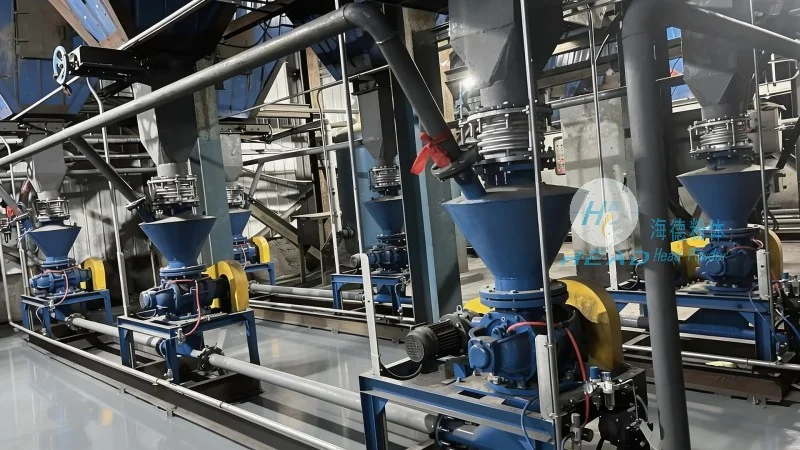
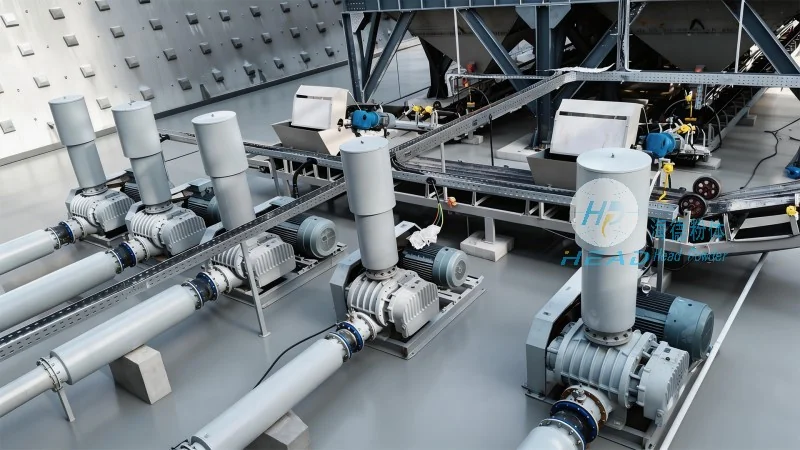
Pneumatic conveying systems utilize air pressure to transport paddy grains through a pipeline network. These systems are based on the principle of air flow, where grains are suspended and carried by the moving air stream. There are two main types of pneumatic conveyors: pressure and vacuum systems. Pressure systems generate high-pressure air to push grains through the pipeline, while vacuum systems use a vacuum to draw grains into the system. Pneumatic conveyors are highly flexible, allowing for complex routing of grain flow and the integration of multiple processing units. They are particularly advantageous for transporting paddy grains over long distances, through vertical lifts, or in environments where dust control is a priority. However, pneumatic systems require higher energy input compared to mechanical conveyors and may be less efficient for very fine or sticky grains. The choice between pressure and vacuum systems often depends on the specific application and the distance or elevation changes involved.
Bucket Elevators for Vertical Paddy Grain Transport
Bucket elevators are specialized mechanical systems designed primarily for vertical or steeply inclined transport of paddy grains. These systems consist of a vertical or inclined conveyor with a continuous chain or belt that carries buckets attached to it. As the conveyor rotates, the buckets scoop up paddy grains from a hopper at the bottom and lift them to the top, where the grains are discharged. Bucket elevators are highly efficient for vertical transport, capable of moving large volumes of grain at high speeds with minimal space requirements. They are commonly used in paddy mills to transport grains from storage silos to processing equipment or to elevate grains to higher levels for further processing. The design of bucket elevators allows for smooth and continuous grain flow, reducing the risk of grain breakage or damage. However, they may require more maintenance than other conveyor types due to the moving parts and the need to handle the weight of the buckets and grain load.
Factors Influencing the Selection of Paddy Grain Conveying Methods
The selection of an appropriate paddy grain conveying method depends on several key factors, including the grain characteristics, operational requirements, and available resources. Grain characteristics such as moisture content, size, and shape can affect the suitability of different conveyor types. For example, sticky or wet paddy grains may require special handling to prevent clogging in mechanical systems, while pneumatic systems may be more effective for handling fine or powdery byproducts. Operational requirements, such as the distance to be covered, the required throughput, and the need for vertical or horizontal transport, also play a crucial role in method selection. Additionally, factors like energy costs, maintenance requirements, and space availability influence the choice of conveyor system. For instance, in small-scale operations, mechanical conveyors may be more cost-effective, while large-scale mills might opt for pneumatic systems to achieve higher throughput and flexibility.
Conclusion and Company Overview
Efficient paddy grain conveying is essential for optimizing agricultural processing and storage operations. The common methods discussed, including mechanical conveyors, pneumatic systems, and bucket elevators, each offer unique advantages and are selected based on specific operational needs. As a leading provider of engineering solutions for grain handling, Shandong HeadPowder Engineering Co., Ltd. specializes in designing and manufacturing customized conveying systems tailored to the requirements of paddy processing facilities. With a focus on reliability, efficiency, and innovation, HeadPowder offers a range of conveyor solutions that enhance productivity and grain quality. Located in Shandong, China, the company leverages its expertise and local resources to deliver high-quality equipment and services to clients worldwide. By understanding the diverse needs of the paddy grain industry, HeadPowder continues to support the advancement of agricultural processing through advanced conveying technologies.

 Shandong Headpowder Engineering Co., Ltd.
 156-6277-7102(Quản lý Trương)
  0531-83386006
  Thành phố Tế Nam, Tỉnh Sơn Đông, Trung Quốc
Điện thoại
WeChatTư vấn
Lên đầu