Với hơn 10 năm kinh nghiệm về vận chuyển khí nén, Headpowder Sơn Đông cung cấp hệ thống, thiết bị và quạt gió toàn chuỗi, đảm nhận các dự án kỹ thuật bột trọn gói trên toàn quốc.
When it comes to handling and transporting fiber materials, selecting the right conveying method is crucial for efficiency and material integrity. Shandong HeadPowder Engineering Co., Ltd., a leading provider based in Shandong, China, specializes in designing and manufacturing solutions tailored to the unique challenges of fiber material transport. This article explores the primary methods used for fiber material conveying, highlighting the advantages and considerations for each approach.
1. Screw Conveyors for Fiber Material Transport
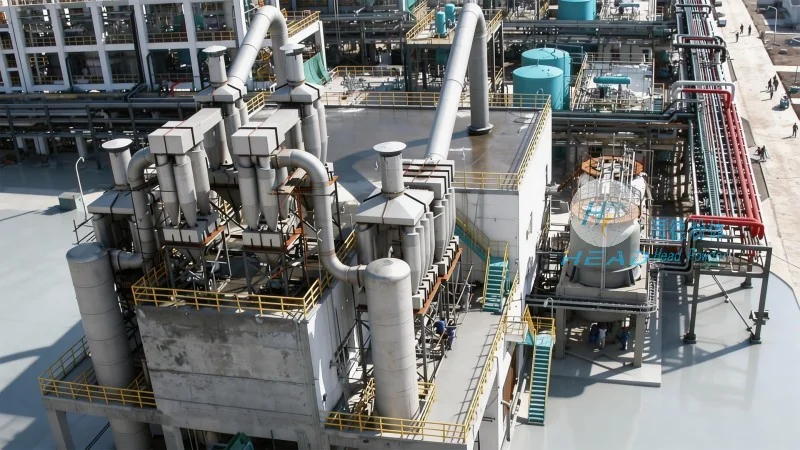
Screw conveyors, also known as auger conveyors, are among the most common solutions for transporting fibrous materials. These systems consist of a rotating helical screw inside a tube or trough, which moves material forward through the mechanism. The design allows for vertical and horizontal transport, making them versatile for various applications. For fiber materials, the choice of screw design—such as a solid or ribbon screw—can impact material flow and handling. Solid screws are ideal for dry, free-flowing fibers, while ribbon screws are better suited for sticky or cohesive materials. The screw conveyor's enclosed design helps prevent dust and contamination, which is critical for maintaining the quality of sensitive fiber products. Shandong HeadPowder Engineering Co., Ltd. offers customized screw conveyor solutions that can be integrated with other processing equipment, ensuring seamless material handling from source to destination.
2. Belt Conveyors for Bulk Fiber Handling
Belt conveyors are another widely used method for transporting large volumes of fiber materials. These systems utilize a continuous belt, typically made of rubber or synthetic materials, that moves over rollers or pulleys. The belt can be configured in various configurations, including straight, curved, or inclined sections, to accommodate different layout requirements. For fibrous materials, the belt's surface texture and material are critical. Smooth belts are suitable for dry, non-sticky fibers, while textured or cleated belts help prevent slippage and improve traction for wet or sticky fibers. Belt conveyors are particularly effective for horizontal and slightly inclined transport, making them ideal for loading and unloading operations. They can handle a wide range of fiber types, from wood chips to agricultural fibers, and are often used in combination with other equipment like hoppers and feeders. Shandong HeadPowder Engineering Co., Ltd. provides robust belt conveyor systems designed to withstand the demands of continuous operation, ensuring reliable performance in industrial settings.
3. Pneumatic Conveying Systems for Fiber Material Transport
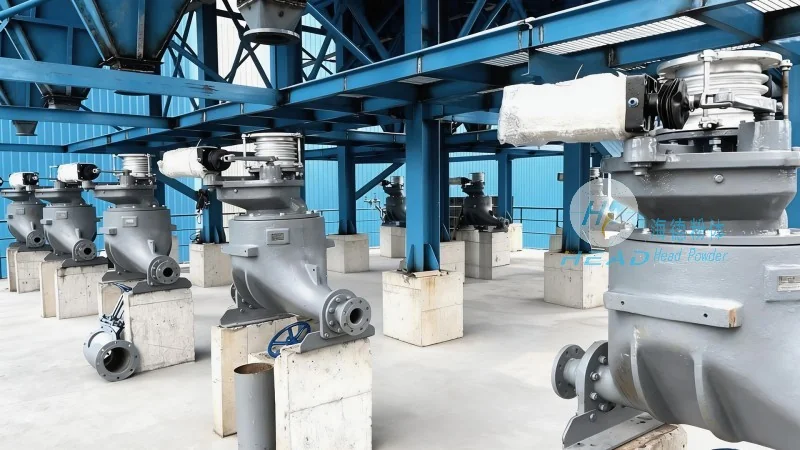
Pneumatic conveying systems use air or gas to transport fiber materials through a network of pipes. This method is particularly effective for handling fine or dusty fibers, as it minimizes material degradation and contamination. There are two main types of pneumatic conveying: pressure and vacuum systems. Pressure systems use compressed air to push material through the pipeline, while vacuum systems use suction to draw material in. The choice between the two depends on the material's properties and the distance to be covered. For fibrous materials, pressure systems are often preferred for their ability to handle larger particles and maintain consistent flow rates. Pneumatic conveying offers advantages such as enclosed transport, which reduces dust exposure and environmental impact. However, it requires careful design to prevent material buildup and ensure efficient air flow. Shandong HeadPowder Engineering Co., Ltd. specializes in designing pneumatic conveying systems that are tailored to the specific characteristics of fiber materials, ensuring optimal performance and reliability.
4. Bucket Elevators for Vertical Fiber Transport
For vertical transport of fiber materials, bucket elevators are a reliable and efficient solution. These systems consist of a vertical or inclined conveyor with buckets attached to a chain or belt, which lifts material from a lower to a higher level. The buckets are designed to scoop material as they travel upward and discharge it at the top. Bucket elevators are ideal for handling fibrous materials that are dense or have a tendency to stick to surfaces. The enclosed design of the elevator prevents material spillage and contamination, which is essential for maintaining product quality. They can handle a wide range of fiber types, including wood chips, straw, and other agricultural fibers. Shandong HeadPowder Engineering Co., Ltd. offers customized bucket elevator solutions that can be integrated with other processing equipment, ensuring smooth material flow and minimal downtime. The design of the buckets and the speed of the elevator can be adjusted to accommodate different material characteristics, ensuring efficient vertical transport.
5. Hydraulic Conveyors for Heavy-Duty Fiber Handling
Hydraulic conveyors use fluid power to transport heavy or abrasive fiber materials. These systems are particularly effective for handling materials that are difficult to move with mechanical systems, such as wet or sticky fibers. The hydraulic system applies pressure to a piston or plunger, which moves a conveyor belt or other transport mechanism. Hydraulic conveyors are known for their high load capacity and ability to handle materials with high moisture content. They are often used in applications where other systems may fail due to material properties. However, they require regular maintenance to ensure proper fluid circulation and prevent wear and tear. Shandong HeadPowder Engineering Co., Ltd. provides hydraulic conveyor solutions that are designed to withstand the rigors of heavy-duty operations, ensuring long-term reliability and performance.
6. Combination Systems for Complex Fiber Transport
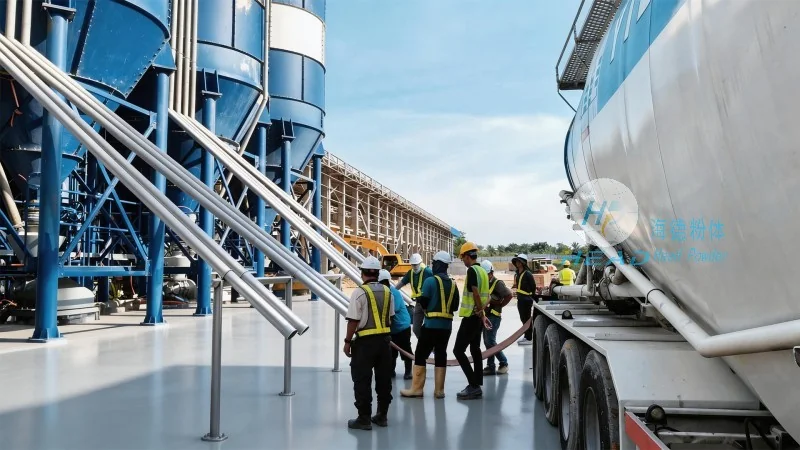
In many industrial applications, a single conveying method may not be sufficient to handle the entire material transport process. Combination systems, which integrate multiple conveying technologies, are often used to address complex material handling requirements. For example, a system might use a screw conveyor to feed a belt conveyor, which then connects to a pneumatic system for final transport. This approach allows for seamless material flow and flexibility in adapting to changing production needs. Shandong HeadPowder Engineering Co., Ltd. specializes in designing and manufacturing combination systems that are tailored to the specific requirements of fiber material transport. These systems can be customized to include features such as material separation, cleaning, and storage, ensuring comprehensive material handling solutions. The integration of multiple technologies in a single system reduces the need for multiple pieces of equipment, improving efficiency and reducing operational costs.
7. Factors to Consider When Choosing a Fiber Material Conveying Method
When selecting a conveying method for fiber materials, several factors must be considered to ensure optimal performance and material integrity. The first factor is the material's physical properties, including particle size, moisture content, and stickiness. These properties will determine the suitability of different conveying systems. For example, fine, dry fibers may be better suited for pneumatic conveying, while larger, wet fibers may require a belt or screw conveyor. The second factor is the distance and layout of the transport path. Horizontal, vertical, or inclined transport will influence the choice of system. The third factor is the required capacity and speed of the conveyor. Higher capacity systems may require more robust components and higher power consumption. The fourth factor is the environmental and safety considerations. Enclosed systems are preferred for reducing dust and improving workplace safety. Shandong HeadPowder Engineering Co., Ltd. provides expert guidance in selecting the appropriate conveying method based on these factors, ensuring that the chosen solution meets the specific needs of the application.
8. Custom Solutions from Shandong HeadPowder Engineering Co., Ltd.
Shandong HeadPowder Engineering Co., Ltd. is a leading manufacturer of fiber material conveying systems, with a focus on providing customized solutions tailored to the unique needs of each client. The company's expertise lies in understanding the challenges of fiber material transport and designing systems that address these challenges effectively. From screw conveyors to pneumatic systems, the company offers a wide range of products that can be customized to meet specific requirements. The company's team of engineers works closely with clients to understand their production processes and material characteristics, ensuring that the designed system is efficient, reliable, and cost-effective. Shandong HeadPowder Engineering Co., Ltd. also provides after-sales support, including maintenance and repair services, to ensure that the conveying systems continue to operate at optimal levels. With a commitment to quality and customer satisfaction, the company has built a reputation as a trusted partner in the fiber material handling industry.

 Shandong Headpowder Engineering Co., Ltd.
 156-6277-7102(Quản lý Trương)
  0531-83386006
  Thành phố Tế Nam, Tỉnh Sơn Đông, Trung Quốc
Điện thoại
WeChatTư vấn
Lên đầu