Với hơn 10 năm kinh nghiệm về vận chuyển khí nén, Headpowder Sơn Đông cung cấp hệ thống, thiết bị và quạt gió toàn chuỗi, đảm nhận các dự án kỹ thuật bột trọn gói trên toàn quốc.
Sand conveying is a critical process in various industrial applications, including construction, mining, and manufacturing. The efficient transportation of sand from one location to another is essential for maintaining productivity and ensuring the smooth operation of production lines. Different industries have unique requirements for sand handling, which necessitates the use of diverse conveying systems. Understanding the available methods of sand conveying helps businesses select the most suitable solution for their specific needs.
Overview of Common Sand Conveying Techniques
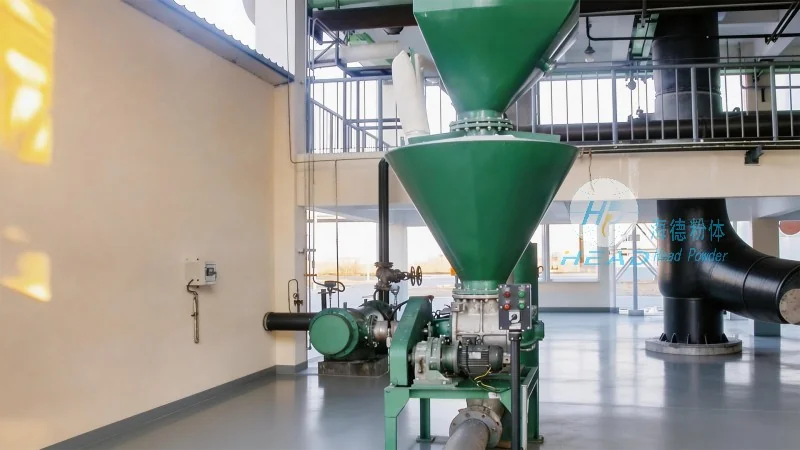
There are several established methods for transporting sand, each with its own advantages and applications. The choice of method depends on factors such as the volume of sand to be moved, the distance between the source and destination, the physical properties of the sand (e.g., moisture content, particle size), and the operational environment. Below are some of the most common sand conveying techniques used in industrial settings.
Pneumatic Conveying Systems
Pneumatic conveying, also known as air conveying, is a popular method for transporting sand due to its ability to handle a wide range of materials and its flexibility in system design. This technique involves using compressed air to move sand through a pipeline. There are two main types of pneumatic conveying: pressure and vacuum systems. Pressure systems use positive pressure to push the material through the line, while vacuum systems use negative pressure to pull the material. Pneumatic conveying is particularly effective for handling fine or dusty sand, as it can minimize dust generation and prevent material degradation. The system typically consists of a hopper, a blower, and a pipeline with appropriate fittings and valves. The efficiency of pneumatic conveying can be enhanced by using specialized equipment such as cyclone separators and rotary airlocks to control the flow and prevent blockages. Companies like Shandong HeadPowder Engineering Co., Ltd. specialize in designing and manufacturing custom pneumatic conveying systems tailored to the specific requirements of their clients.
Belt Conveyor Systems
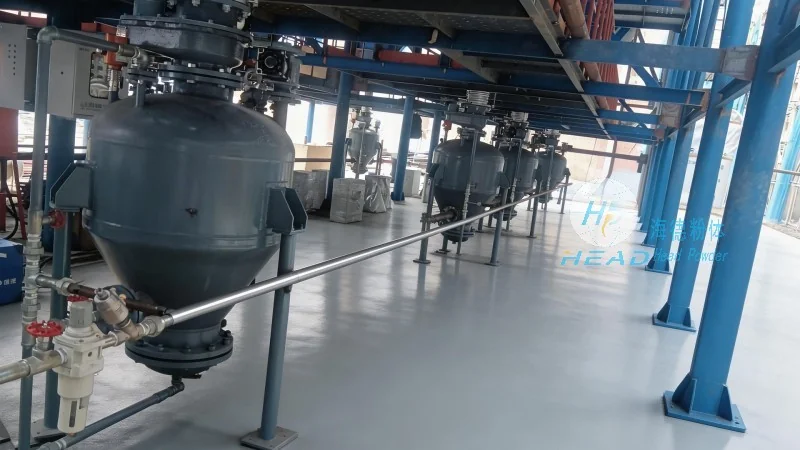
Belt conveyors are one of the most widely used methods for sand conveying in industrial applications. These systems consist of a continuous loop of material (usually rubber or synthetic) that is driven by pulleys. Sand is loaded onto the belt at the feeding point and transported to the discharge point. Belt conveyors are known for their high capacity, long-distance transport capabilities, and low maintenance requirements. They are particularly suitable for transporting large volumes of sand over significant distances, such as in mining operations or construction sites. The design of a belt conveyor system includes considerations such as the belt width, speed, inclination, and the type of idlers used to support the belt. Proper maintenance, including regular inspection of the belt tension and alignment, is crucial to ensure the longevity and efficiency of the system. Shandong HeadPowder Engineering Co., Ltd. offers a range of belt conveyor solutions, including custom designs for heavy-duty applications and integration with other processing equipment.
Screw Conveyors (Auger Conveyors)
Screw conveyors, also known as auger conveyors, are another common method for sand conveying. These systems use a rotating screw (auger) to move sand through a trough or pipe. The screw is typically made of metal and is designed to handle the abrasive nature of sand. Screw conveyors are suitable for both horizontal and inclined transport, making them versatile for various applications. They are particularly effective for handling dry or semi-dry sand and can be used in both batch and continuous operation modes. The key components of a screw conveyor include the screw, the housing, the drive unit, and the feeding and discharge mechanisms. The speed and pitch of the screw can be adjusted to control the flow rate and prevent material buildup. Screw conveyors are often used in industries such as food processing, pharmaceuticals, and construction, where precise control over the material flow is required. Headpowder, as a leading manufacturer of conveying equipment, provides high-quality screw conveyor systems that meet the demands of various industrial sectors.
Hydraulic Conveying Systems
Hydraulic conveying is a method that uses water or a slurry to transport sand. This technique is particularly useful for transporting sand over long distances or in areas with difficult terrain. The sand is mixed with water to form a slurry, which is then pumped through a pipeline to the destination. Hydraulic conveying is effective for handling fine sand and can minimize dust and noise compared to other methods. However, it requires careful management of the water-sand mixture to prevent clogging and ensure efficient transport. The system typically includes a slurry pump, a mixing tank, and a pipeline with appropriate valves and controls. Hydraulic conveying is commonly used in mining operations for transporting tailings or in construction for moving sand to remote sites. Shandong HeadPowder Engineering Co., Ltd. has expertise in designing hydraulic conveying systems that are tailored to the specific needs of their clients, ensuring optimal performance and reliability.
Gravitation Conveying
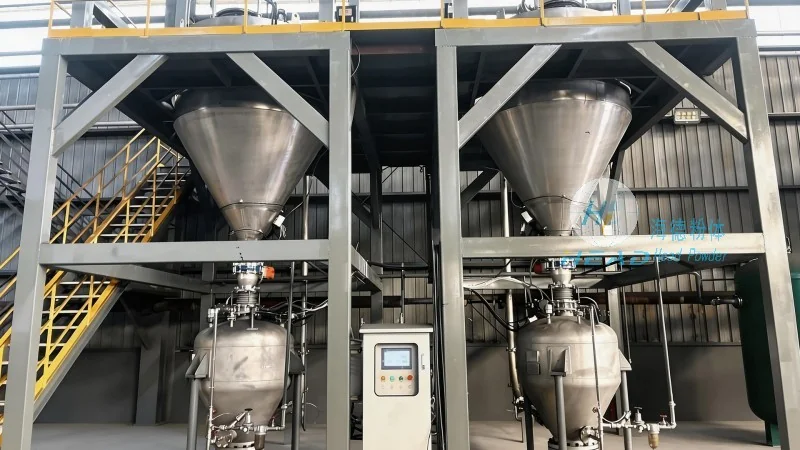
Gravitation conveying, also known as gravity chutes or inclined chutes, is a simple and cost-effective method for transporting sand over short distances. This technique relies on the natural force of gravity to move sand from a higher elevation to a lower one. The sand is loaded at the top of the chute and flows down due to gravity. Gravitation conveying is suitable for applications where the distance between the source and destination is short and the sand is relatively dry and free-flowing. The design of a gravity chute includes considerations such as the angle of inclination, the material of the chute (e.g., metal or plastic), and the size of the opening. While this method is simple and low-cost, it has limitations in terms of distance and material properties. It is often used in conjunction with other conveying systems for short-distance transport. Headpowder provides guidance on the appropriate use of gravitation conveying in various industrial settings, ensuring that clients select the most suitable solution for their needs.
Selection Criteria for Choosing the Right Sand Conveying Method
When selecting a sand conveying method, several factors must be considered to ensure optimal performance and efficiency. The first factor is the volume of sand to be transported. High-volume applications may require belt conveyors or pneumatic systems, while low-volume applications might be better suited for screw or gravitation conveying. The second factor is the distance between the source and destination. For short distances, gravitation or screw conveyors may be sufficient, while for long distances, pneumatic or hydraulic systems are more appropriate. The third factor is the physical properties of the sand, such as moisture content and particle size. Fine or wet sand may require specialized equipment like pneumatic systems or hydraulic conveyors to prevent clogging and ensure smooth transport. The fourth factor is the operational environment, including factors such as noise levels, dust control, and space constraints. Companies like Shandong HeadPowder Engineering Co., Ltd. offer comprehensive consultation services to help clients evaluate these factors and select the most suitable sand conveying method for their specific requirements.
Conclusion
In conclusion, the choice of sand conveying method depends on a variety of factors, including the volume of sand, the distance to be covered, the physical properties of the material, and the operational environment. Each method has its own advantages and limitations, and selecting the right system is crucial for maintaining productivity and ensuring the smooth operation of industrial processes. Companies such as Shandong HeadPowder Engineering Co., Ltd. play a vital role in providing customized conveying solutions that meet the unique needs of their clients. By understanding the different sand conveying techniques and considering the relevant factors, businesses can make informed decisions and select the most efficient and cost-effective system for their sand handling requirements.

 Shandong Headpowder Engineering Co., Ltd.
 156-6277-7102(Quản lý Trương)
  0531-83386006
  Thành phố Tế Nam, Tỉnh Sơn Đông, Trung Quốc
Điện thoại
WeChatTư vấn
Lên đầu