Với hơn 10 năm kinh nghiệm về vận chuyển khí nén, Headpowder Sơn Đông cung cấp hệ thống, thiết bị và quạt gió toàn chuỗi, đảm nhận các dự án kỹ thuật bột trọn gói trên toàn quốc.
When it comes to transporting lignite, selecting the right method is crucial for efficiency, cost-effectiveness, and operational safety. Lignite, a type of brown coal, is widely used in power generation and industrial processes, making reliable transportation systems essential. This article explores the various lignite transportation methods available, highlighting the key considerations and applications for each approach. The content is presented by Shandong HeadPowder Engineering Co., Ltd., a professional engineering company specializing in lignite transportation systems, headquartered in Shandong, China.
Lignite Transportation Methods Overview
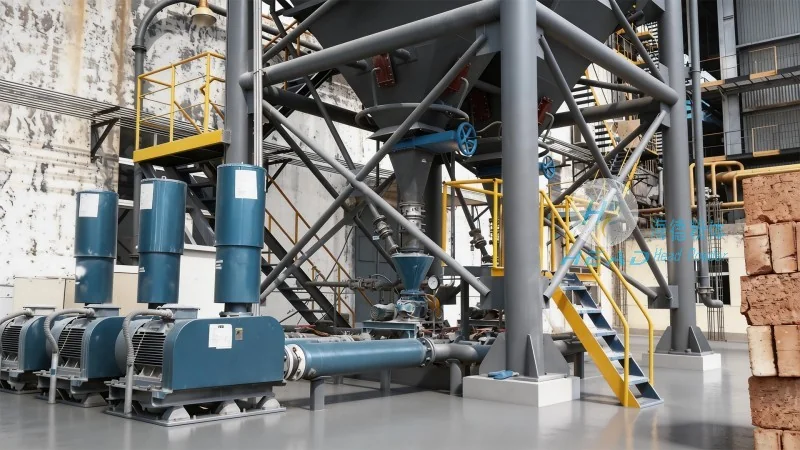
Lignite transportation involves moving this low-rank coal from its source to processing facilities, power plants, or storage areas. The choice of method depends on factors such as distance, material characteristics, budget, and environmental regulations. Below are the primary lignite transportation methods used in the industry:
1. Belt Conveyor Systems
Belt conveyors are one of the most common and versatile methods for transporting lignite. These systems use a continuous belt to carry the coal from the mine or stockpile to the processing plant. The key advantages of belt conveyors include high capacity, low maintenance costs, and the ability to cover long distances (up to several kilometers) with minimal energy consumption. They are particularly suitable for transporting large quantities of lignite over short to medium distances, such as from open-pit mines to processing facilities. The design of the belt conveyor can be customized to handle different lignite types, including wet or sticky coal, by using special belts or cleaning mechanisms. For example, Shandong HeadPowder Engineering Co., Ltd. specializes in designing and manufacturing high-efficiency belt conveyor systems tailored to the specific needs of lignite transportation projects.
2. Pneumatic (Air) Conveying Systems
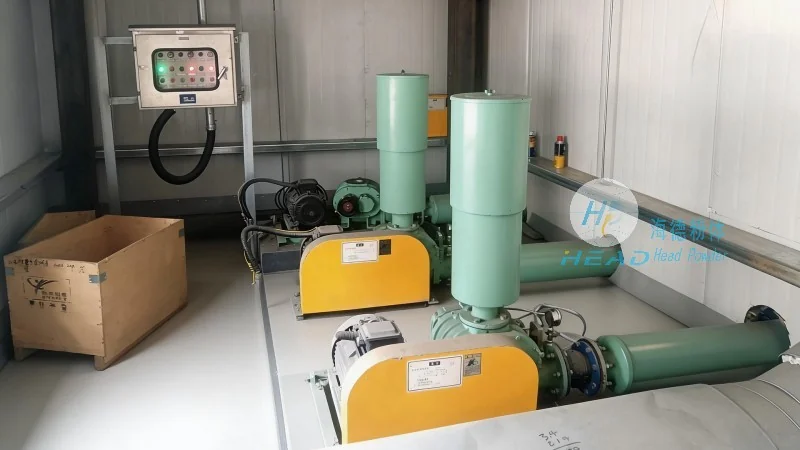
Pneumatic or air conveying systems use compressed air to transport lignite particles through a pipeline. This method is ideal for transporting fine or dry lignite over moderate distances, typically up to a few hundred meters. The primary benefits of pneumatic conveying include the ability to transport materials vertically and horizontally, minimal dust generation (compared to other methods), and the flexibility to integrate with existing processing equipment. However, pneumatic systems require higher energy input and may be less efficient for very large quantities of lignite. They are commonly used in applications where dust control is critical, such as in indoor or enclosed environments. The design of the air conveyor system must consider factors like particle size, moisture content, and the pressure requirements to ensure optimal performance.
3. Hydraulic Conveying Systems
Hydraulic conveying systems use water to transport lignite in a slurry form. This method is particularly effective for transporting wet or high-moisture lignite, as the water helps to keep the particles suspended and reduces friction in the pipeline. Hydraulic systems are often used in long-distance transportation, such as from a mine to a power plant located far from the source. The main advantages include the ability to transport large volumes of lignite over long distances with relatively low energy costs, and the ability to handle materials with high moisture content. However, hydraulic systems require significant water management infrastructure and may be less suitable for dry lignite or applications where water usage is restricted. The design of the hydraulic system involves careful consideration of the slurry concentration, pipeline diameter, and pumping requirements to maintain efficient flow.
4. Truck and Rail Transportation
For shorter distances or when other methods are not feasible, truck and rail transportation are used to move lignite. Trucks are suitable for transporting smaller quantities of lignite over short distances, such as from a mine to a nearby processing plant or storage yard. Rail systems, including dedicated coal trains or freight cars, are used for longer distances and larger volumes. The advantages of truck and rail transportation include flexibility and the ability to reach remote locations that are not served by other infrastructure. However, these methods are generally more expensive per ton-mile compared to bulk systems like belt or hydraulic conveyors, and they may be subject to traffic congestion or scheduling constraints. The choice between truck and rail depends on factors such as the distance, volume, and logistical requirements of the lignite transportation project.
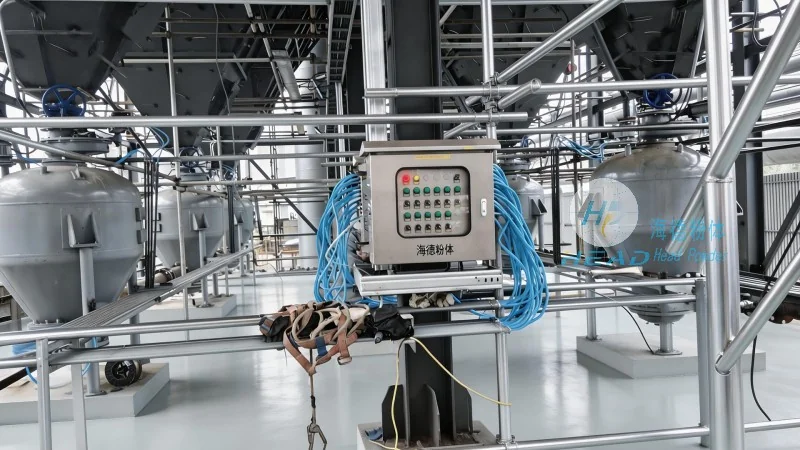
5. Pipelines for Lignite Slurries
For very long-distance transportation of lignite, especially when the coal is in a slurry form, pipelines are used. This method is similar to hydraulic conveying but is designed for continuous, high-volume flow over extended distances. Pipelines can transport lignite slurries over hundreds of kilometers, making them suitable for connecting remote mines to major power plants or industrial centers. The key advantages include the ability to transport large volumes with minimal labor and the ability to operate continuously without interruption. However, pipeline systems require significant capital investment for construction and maintenance, and they are less flexible than other methods in terms of changing routes or adjusting flow rates. The design of the pipeline system must consider factors like slurry viscosity, pipeline diameter, and pumping pressure to ensure reliable operation over long distances.
Key Considerations for Choosing a Lignite Transportation Method
When selecting a lignite transportation method, several factors must be evaluated to ensure the most suitable option is chosen. These factors include the distance between the source and destination, the volume of lignite to be transported, the characteristics of the lignite (such as moisture content and particle size), the budget and operational costs, and environmental regulations. For example, belt conveyors are often preferred for short to medium distances and large volumes due to their efficiency and low cost. Pneumatic systems are suitable for moderate distances and fine lignite, while hydraulic and pipeline systems are better for long distances and wet lignite. The choice of method also impacts the overall logistics and operational flexibility of the lignite supply chain. Companies like Shandong HeadPowder Engineering Co., Ltd. provide comprehensive engineering solutions to help clients evaluate these factors and select the optimal transportation method for their specific lignite projects.
Conclusion
Lignite transportation is a critical component of the coal supply chain, and the choice of method significantly impacts the efficiency and sustainability of operations. By understanding the different lignite transportation methods and their applications, industry professionals can make informed decisions that optimize their lignite handling processes. Whether using belt conveyors, pneumatic systems, hydraulic pipelines, or traditional truck and rail transport, the goal is to ensure reliable, cost-effective, and environmentally responsible transportation of lignite. Shandong HeadPowder Engineering Co., Ltd. offers expertise in designing and implementing these transportation systems, helping clients achieve their operational objectives while meeting industry standards and regulations.

 Shandong Headpowder Engineering Co., Ltd.
 156-6277-7102(Quản lý Trương)
  0531-83386006
  Thành phố Tế Nam, Tỉnh Sơn Đông, Trung Quốc
Điện thoại
WeChatTư vấn
Lên đầu