Với hơn 10 năm kinh nghiệm về vận chuyển khí nén, Headpowder Sơn Đông cung cấp hệ thống, thiết bị và quạt gió toàn chuỗi, đảm nhận các dự án kỹ thuật bột trọn gói trên toàn quốc.
When it comes to handling and transporting PVC (Polyvinyl Chloride) materials, selecting the right conveying method is crucial for efficiency, safety, and cost-effectiveness. PVC, a versatile plastic widely used in construction, manufacturing, and various industrial applications, requires specialized systems to ensure smooth and reliable movement. The choice of conveying method depends on factors such as material properties, production scale, environmental conditions, and operational requirements. In this article, we explore the primary PVC conveying methods used in industrial settings, highlighting their advantages, applications, and considerations.
Gravity Conveying Systems
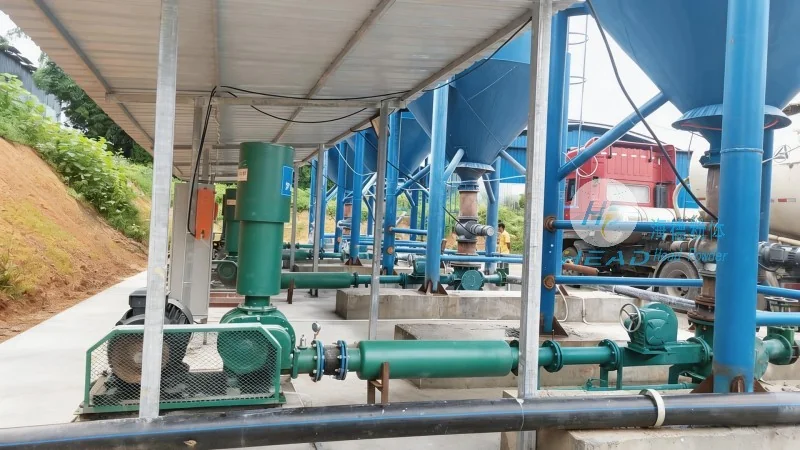
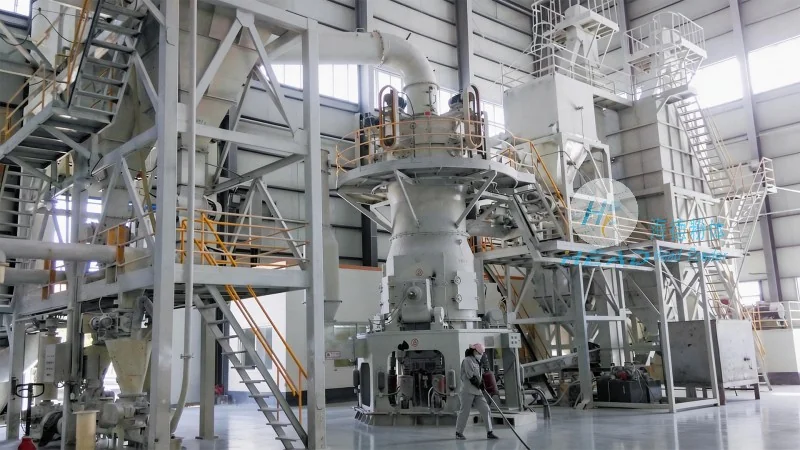
Gravity conveying is a simple and cost-effective method for transporting PVC materials over short distances, especially when the material has a suitable angle of repose and can flow freely. This method relies on the natural force of gravity to move the material from a higher elevation to a lower one. The system typically consists of a sloped conveyor or a series of chutes that allow the PVC to slide down under its own weight. Gravity conveyors are ideal for applications where the material is non-abrasive, non-sticky, and can be easily guided without the need for additional power. They are commonly used in scenarios such as transporting PVC pellets from a hopper to a processing machine or moving finished products from a production line to a storage area. The simplicity of gravity conveying makes it a popular choice for small-scale operations or where minimal maintenance is required. However, it is important to note that this method is limited by the distance and elevation change, as excessive length or steep angles can lead to material degradation or uneven flow.
Mechanical Conveying Systems
Mechanical conveying systems utilize mechanical components to move PVC materials, offering greater control and flexibility compared to gravity systems. These systems are widely used in industrial environments due to their ability to handle a variety of PVC forms, including pellets, granules, powders, and even larger pieces. The most common types of mechanical conveyors for PVC include belt conveyors, screw conveyors, and chain conveyors. Belt conveyors use a continuous belt to transport materials horizontally or at a slight incline, making them suitable for moving PVC from one location to another without significant elevation changes. They are often equipped with idlers and tensioning mechanisms to ensure smooth operation and prevent material spillage. Screw conveyors, also known as auger conveyors, use a rotating screw to push materials forward through a cylindrical tube. This method is particularly effective for handling PVC powders and granules, as the screw can maintain a consistent flow rate and prevent material buildup. Screw conveyors are commonly used in processing plants to transport PVC from storage bins to mixing or extrusion equipment. Chain conveyors, on the other hand, use a series of connected links to move materials, which is ideal for transporting larger or irregularly shaped PVC pieces. These systems are often used in packaging or sorting operations where the material needs to be moved in a controlled manner. Mechanical conveying systems provide reliable performance and can be customized to meet specific operational needs, but they require regular maintenance to ensure optimal operation and prevent wear and tear.
Air Conveying Systems (Pneumatic Conveying)
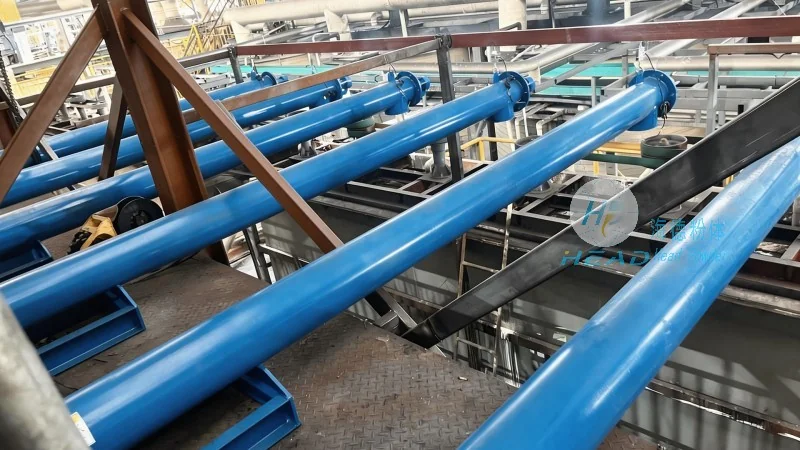
Air conveying, or pneumatic conveying, is a method that uses compressed air to transport PVC materials through a pipeline. This technique is particularly useful for handling fine powders, granules, or dust, as it allows for the material to be moved over long distances without the need for physical contact. Pneumatic conveying systems can be classified into two main types: dilute-phase and dense-phase. Dilute-phase systems use low air velocity to transport materials in a suspended state, making them suitable for short to medium distances and low material loads. Dense-phase systems, on the other hand, use higher air velocity and lower material concentration to move materials in a more compact form, which is ideal for long-distance transport and high material loads. Air conveying systems are commonly used in PVC processing plants to transport raw materials from storage silos to processing equipment or to move finished products to packaging areas. They offer advantages such as minimal material degradation, low maintenance, and the ability to handle materials in a closed system, reducing dust and contamination. However, pneumatic conveying systems require a reliable air supply and may be more complex to install and operate compared to other methods. The choice between dilute-phase and dense-phase systems depends on the specific requirements of the application, including material properties, distance, and desired flow rate.
Hybrid Conveying Systems
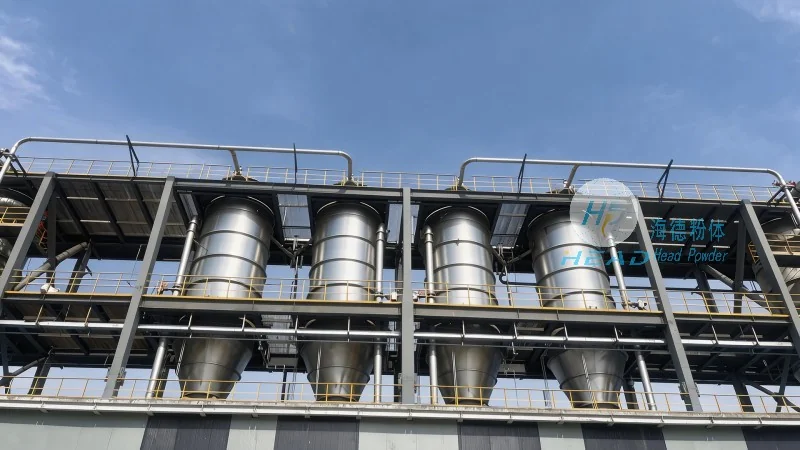
In some industrial applications, a combination of different conveying methods is used to achieve optimal performance. Hybrid systems may integrate gravity, mechanical, and air conveying components to address the unique challenges of transporting PVC materials. For example, a system might use a gravity conveyor to move materials from a storage bin to a screw conveyor, which then transports the material to a pneumatic conveyor for final delivery. This approach allows for flexibility and adaptability, as each component can be optimized for its specific role in the process. Hybrid conveying systems are particularly useful in large-scale production facilities where different stages of the PVC processing require different types of transport. They can improve overall efficiency by reducing material handling time and minimizing the need for manual intervention. However, the design and maintenance of hybrid systems can be more complex, as they involve multiple components and require careful coordination to ensure smooth operation. Companies such as Shandong HeadPowder Engineering Co., Ltd. specialize in designing and implementing customized hybrid conveying solutions tailored to the specific needs of their clients, ensuring that the system meets both operational and safety requirements.

 Shandong Headpowder Engineering Co., Ltd.
 156-6277-7102(Quản lý Trương)
  0531-83386006
  Thành phố Tế Nam, Tỉnh Sơn Đông, Trung Quốc
Điện thoại
WeChatTư vấn
Lên đầu