Với hơn 10 năm kinh nghiệm về vận chuyển khí nén, Headpowder Sơn Đông cung cấp hệ thống, thiết bị và quạt gió toàn chuỗi, đảm nhận các dự án kỹ thuật bột trọn gói trên toàn quốc.
Iron oxide, a vital raw material in numerous industrial sectors, demands efficient and reliable conveying systems to support seamless production workflows. The selection of a conveying method profoundly impacts operational efficiency, material handling expenses, and overall plant safety. This article examines common iron oxide conveying methods and highlights the advantages and features of HeadPowder's pneumatic conveying solutions.
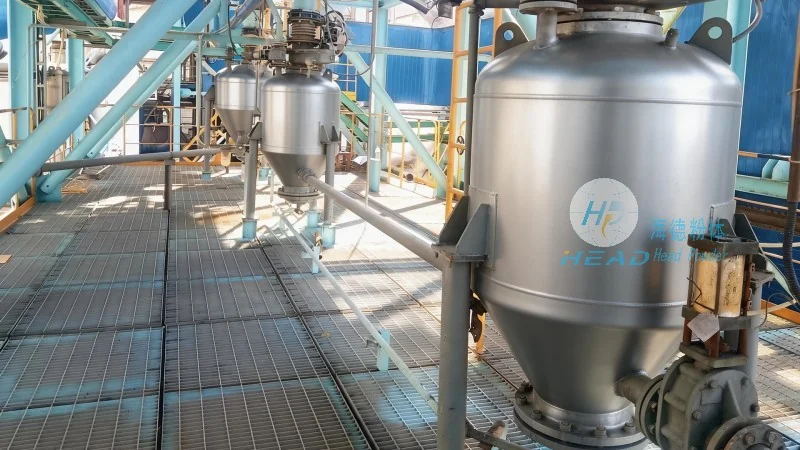
Overview of Iron Oxide Conveying Methods
Conveying iron oxide involves transporting the material from one location to another within industrial facilities. Several methods are commonly utilized, each with distinct advantages and limitations. The primary approaches include gravity conveying, mechanical conveying, and pneumatic conveying. Each method is appropriate for different scenarios based on factors such as material properties, distance, and plant layout.
Gravity Conveying
Gravity conveying leverages the natural force of gravity to move iron oxide from elevated to lower positions. This method typically employs chutes or inclined conveyors that allow the material to flow downward without external power. While straightforward and cost-effective, gravity conveying is constrained by the need for a sufficient vertical drop and is unsuitable for horizontal or long-distance transport. It is often employed in conjunction with other systems for short-distance material transfer.
Mechanical Conveying
Mechanical conveying systems utilize mechanical components like belts, screws, or buckets to transport iron oxide. Belt conveyors are widely used for horizontal or slightly inclined transport, offering high capacity and reliability. Screw conveyors are effective for handling bulk materials in confined spaces, while bucket elevators are suitable for vertical transport. Mechanical conveying systems are generally robust and can accommodate a wide range of material sizes and moisture contents. However, they may require regular maintenance and can be less flexible regarding layout changes.
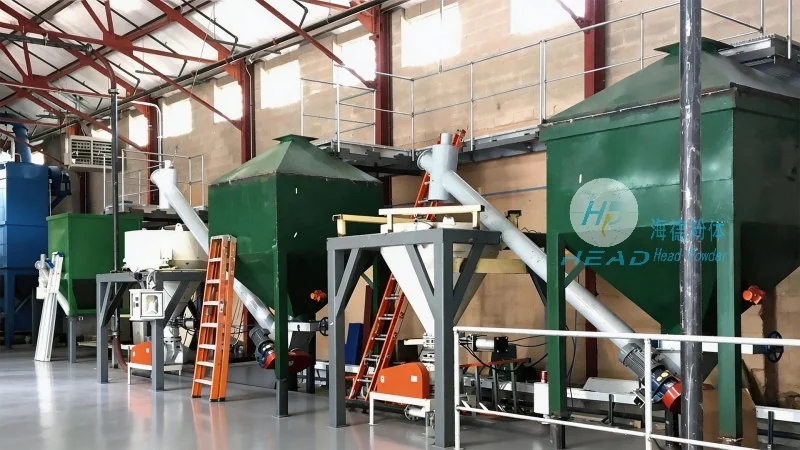
Pneumatic Conveying
Pneumatic conveying employs compressed air or other gases to transport iron oxide particles through a pipeline. This method is particularly effective for handling fine powders and can cover both horizontal and vertical distances efficiently. Pneumatic systems are classified into two main types: dilute-phase and dense-phase. Dilute-phase systems utilize low air-to-material ratios, suitable for short distances and low material concentrations. Dense-phase systems, conversely, use higher air-to-material ratios, enabling longer transport distances and better control over material flow.
Advantages of HeadPowder's Pneumatic Conveying for Iron Oxide
HeadPowder, a leading provider of industrial conveying solutions, offers advanced pneumatic conveying systems tailored for iron oxide applications. The company, headquartered in Shandong, China, leverages decades of experience in material handling to deliver high-performance solutions. HeadPowder's pneumatic conveying systems for iron oxide are designed to address the unique challenges of handling this material, including its fine particle size and potential for dust generation.
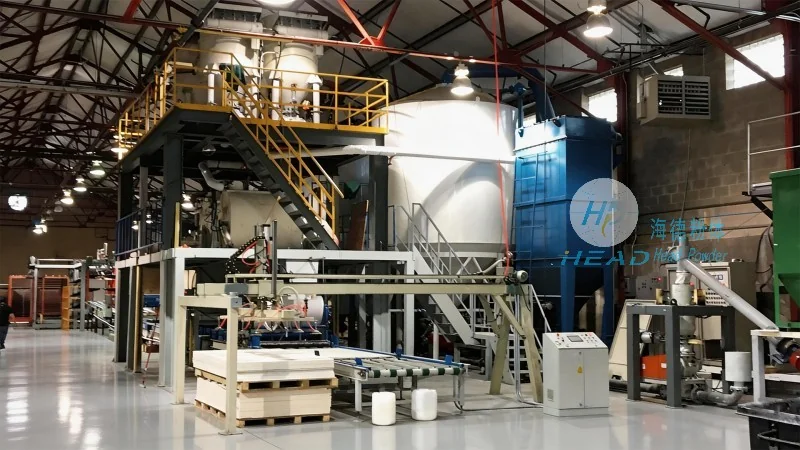
Key Features of HeadPowder's Pneumatic Conveying Systems
HeadPowder's pneumatic conveying systems incorporate several key features that enhance performance and reliability. These include:
Customized System Design: Each system is tailored to the specific requirements of the client, considering factors such as material characteristics, transport distance, and plant layout. This ensures optimal performance and minimal downtime.
Advanced Control Systems: The systems are equipped with sophisticated control panels that allow for real-time monitoring and adjustment of conveying parameters. This helps maintain consistent material flow and prevents issues like blockages or overloading.
Energy Efficiency: By optimizing air flow and pressure, HeadPowder's systems minimize energy consumption compared to traditional mechanical conveying methods. This reduces operational costs and environmental impact.
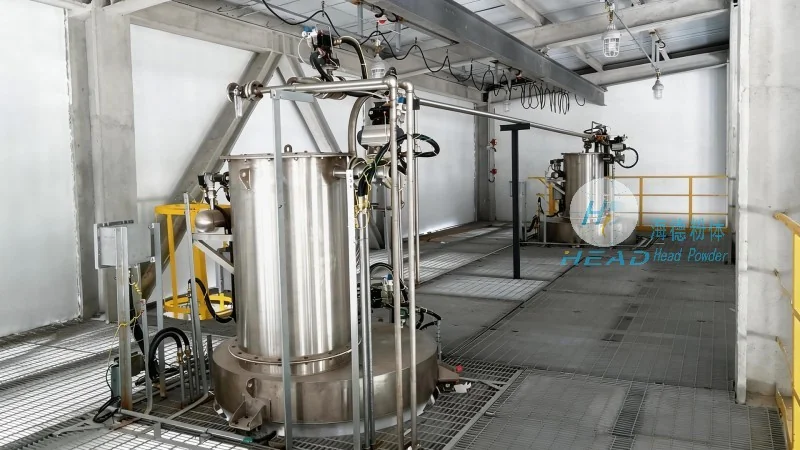
Low Maintenance: The use of high-quality components and robust construction results in lower maintenance requirements, reducing overall operational costs and increasing system uptime.
Safety and Environmental Compliance: The systems are designed to meet stringent safety and environmental standards, with features such as dust collection and explosion-proof components to ensure safe operation in industrial environments.
Conclusion
Choosing the right conveying method for iron oxide is crucial for maintaining efficient production processes and minimizing operational costs. While gravity and mechanical conveying have their applications, pneumatic conveying offers significant advantages in terms of flexibility, efficiency, and control. HeadPowder's pneumatic conveying systems provide a reliable and effective solution for iron oxide handling, leveraging advanced technology and expert engineering. With a strong presence in Shandong, China, HeadPowder continues to be a trusted partner for industrial facilities seeking to optimize their material handling operations.

 Shandong Headpowder Engineering Co., Ltd.
 156-6277-7102(Quản lý Trương)
  0531-83386006
  Thành phố Tế Nam, Tỉnh Sơn Đông, Trung Quốc
Điện thoại
WeChatTư vấn
Lên đầu