Với hơn 10 năm kinh nghiệm về vận chuyển khí nén, Headpowder Sơn Đông cung cấp hệ thống, thiết bị và quạt gió toàn chuỗi, đảm nhận các dự án kỹ thuật bột trọn gói trên toàn quốc.
Phosphorus pentoxide (P₂O₅), a highly hygroscopic and reactive chemical, presents unique challenges in material handling and transportation. The selection of an appropriate transport method is critical to ensure safety, efficiency, and product integrity. This article explores the various methods for transporting phosphorus pentoxide, with a focus on the advanced pneumatic conveying solutions offered by Shandong HeadPowder Engineering Co., Ltd. (hereinafter referred to as HeadPowder).
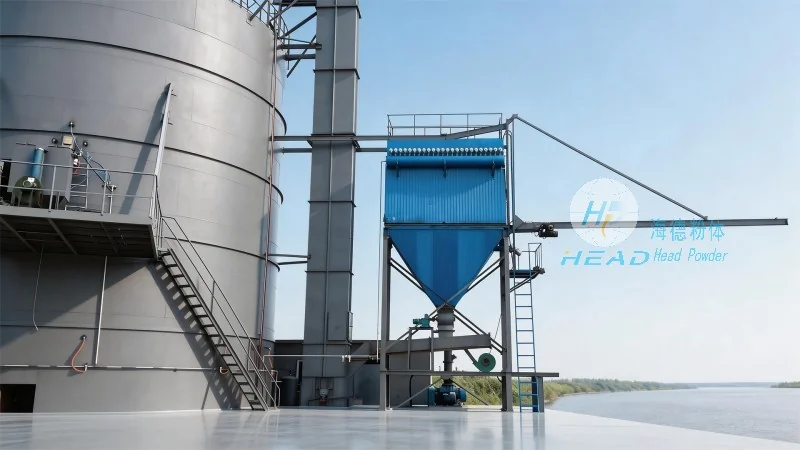
Understanding the Challenges of Phosphorus Pentoxide Transport
Phosphorus pentoxide is known for its extreme reactivity with water and moisture, which can lead to exothermic reactions and the formation of corrosive acids. Additionally, its fine, powdery nature makes it susceptible to dust dispersion and caking during handling. These characteristics necessitate specialized equipment and processes to prevent accidents and maintain product quality. Traditional bulk transport methods, such as belt conveyors or screw conveyors, often struggle with the material's hygroscopic properties and can result in material degradation or equipment damage.
Common Transport Methods for Phosphorus Pentoxide
Several conventional methods are used for transporting phosphorus pentoxide, each with its own advantages and limitations. These include:
Bagging and Manual Handling: This method involves packaging the material into sealed bags or containers. While simple, it is labor-intensive and poses risks of dust exposure and accidental spills. It is typically used for small-scale applications or where bulk handling is impractical.
Belt Conveyors: Belt conveyors are widely used in industrial settings for moving bulk materials. However, for phosphorus pentoxide, they may not be ideal due to the material's tendency to stick to belts or form clumps, which can cause operational issues and reduce efficiency.
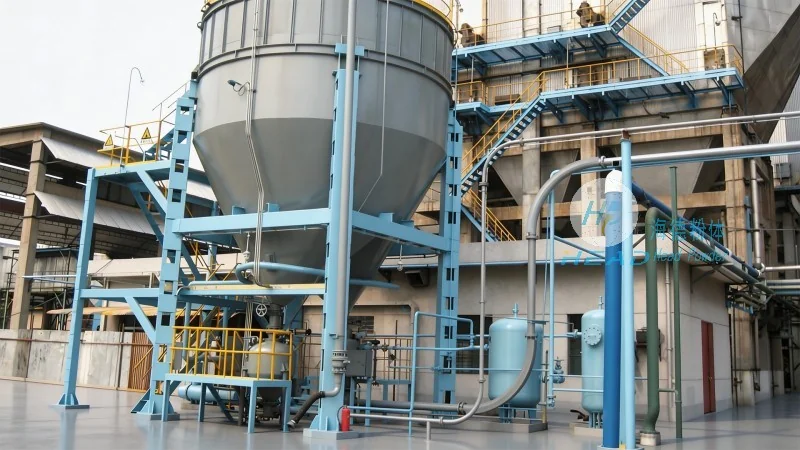
Screw Conveyors: Screw conveyors use rotating screws to move material along a trough. While effective for some powders, they can lead to excessive friction and heat generation, which may affect the chemical stability of phosphorus pentoxide.
Pneumatic Conveying (Bulk Bag Discharge): This method involves using compressed air to transfer material from bulk bags or containers into a processing system. It offers a more controlled and dust-free approach compared to manual handling but may still face challenges with material flow and clogging.
HeadPowder's Pneumatic Conveying Solutions for Phosphorus Pentoxide
HeadPowder specializes in providing customized pneumatic conveying systems tailored to the unique demands of phosphorus pentoxide. Their solutions are designed to address the material's hygroscopic nature and ensure safe, efficient transport. The company's expertise lies in developing systems that minimize dust generation, prevent moisture contamination, and maintain the chemical integrity of the product.
Key features of HeadPowder's pneumatic conveying systems include:
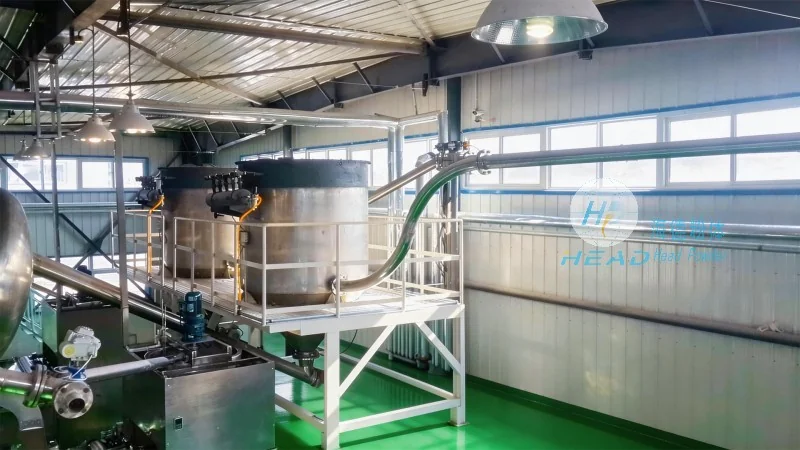
High-Pressure Air Systems: Utilizing high-pressure air to create a consistent flow of phosphorus pentoxide, ensuring reliable and continuous transport. The systems are equipped with advanced controls to regulate air pressure and flow rates, optimizing performance.
Specialized Hopper and Valve Design: The hoppers and valves are constructed from corrosion-resistant materials, such as stainless steel or specialized alloys, to withstand the chemical properties of phosphorus pentoxide. This design prevents material degradation and equipment corrosion.
Dust Control and Filtration: Integrated dust collection and filtration systems are incorporated to capture any airborne particles, ensuring a clean and safe working environment. This also helps in maintaining product purity and compliance with environmental regulations.
Customized System Integration: HeadPowder works closely with clients to design and integrate pneumatic conveying systems that align with their existing production lines and operational requirements. This ensures seamless integration and maximum efficiency.
Benefits of Choosing HeadPowder's Pneumatic Conveying for Phosphorus Pentoxide
Adopting HeadPowder's pneumatic conveying solutions for phosphorus pentoxide offers several significant benefits:
Enhanced Safety: The enclosed system minimizes exposure to dust and moisture, reducing the risk of chemical reactions and accidents. This is crucial for maintaining a safe working environment.
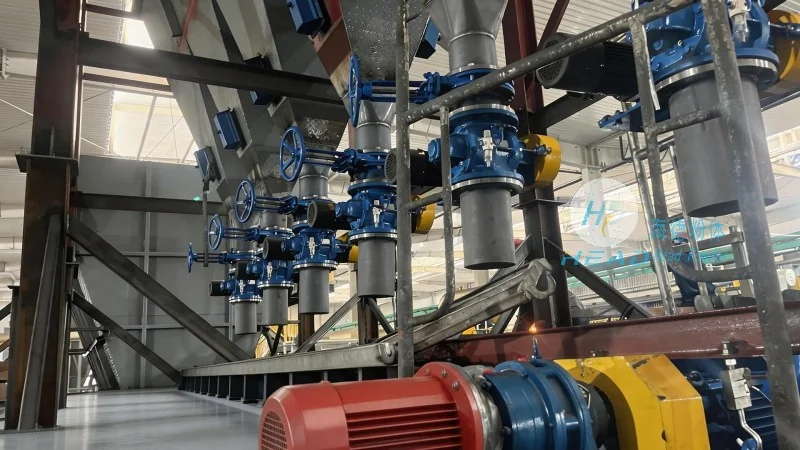
Improved Efficiency: The automated and controlled nature of the system ensures consistent material flow, reducing downtime and increasing overall productivity.
Product Integrity: By preventing moisture contamination and minimizing dust dispersion, the system helps maintain the quality and purity of the phosphorus pentoxide, which is critical for downstream applications.
Cost-Effectiveness: Although the initial investment may be higher, the long-term benefits of reduced maintenance, lower material loss, and increased operational efficiency make the system cost-effective over time.
Conclusion
Transporting phosphorus pentoxide requires specialized equipment and processes to address its unique properties. Traditional methods often fall short in terms of safety, efficiency, and product quality. HeadPowder's pneumatic conveying solutions provide a reliable and effective alternative, tailored to the specific needs of the material. By leveraging advanced technology and expertise, HeadPowder ensures that phosphorus pentoxide is transported safely and efficiently, supporting the needs of industries that rely on this critical chemical.

 Shandong Headpowder Engineering Co., Ltd.
 156-6277-7102(Quản lý Trương)
  0531-83386006
  Thành phố Tế Nam, Tỉnh Sơn Đông, Trung Quốc
Điện thoại
WeChatTư vấn
Lên đầu