Với hơn 10 năm kinh nghiệm về vận chuyển khí nén, Headpowder Sơn Đông cung cấp hệ thống, thiết bị và quạt gió toàn chuỗi, đảm nhận các dự án kỹ thuật bột trọn gói trên toàn quốc.
When it comes to transporting polyethylene materials, selecting the right conveying method is crucial for efficiency, safety, and cost-effectiveness. Polyethylene, a widely used plastic, presents unique challenges during material handling due to its properties such as low bulk density and potential for static electricity. Traditional methods like belt conveyors or screw conveyors may not always be optimal for polyethylene, especially in applications requiring high precision or long-distance transport. This article explores various polyethylene conveying methods and highlights the advantages of pneumatic conveying solutions offered by Shandong HeadPowder Engineering Co., Ltd., commonly known as HeadPowder.
Polyethylene Conveying Methods Overview
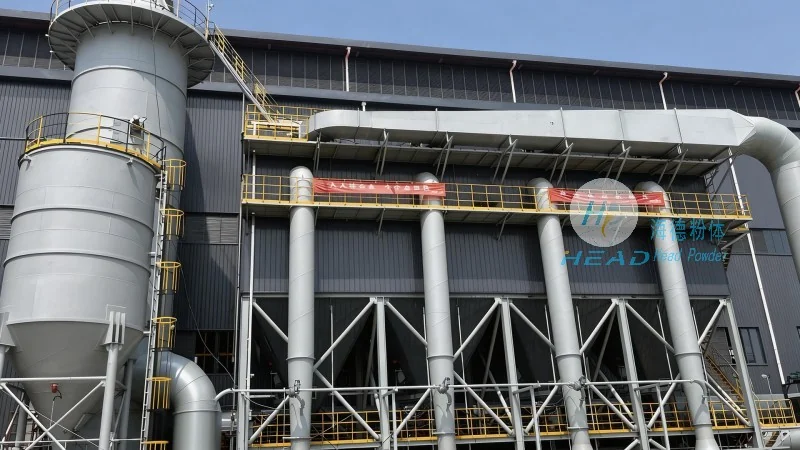
Polyethylene, with its diverse applications ranging from packaging to industrial components, requires specialized handling techniques. The primary goal of any conveying system is to move polyethylene from a source to a destination while maintaining material integrity and minimizing downtime. Common conveying methods for polyethylene include:
Belt Conveyors: These systems use continuous belts to transport polyethylene. While effective for horizontal or slightly inclined transport, belt conveyors may struggle with vertical lifts or when dealing with fine powders, as polyethylene can slip or accumulate on the belt surface.
Screw Conveyors: Screw conveyors utilize rotating screws to move polyethylene. They are suitable for moderate distances and can handle bulk materials, but they may generate heat due to friction, which can affect polyethylene's properties, especially for heat-sensitive grades.
Pneumatic Conveying: This method uses air or other gases to transport polyethylene particles through a pipeline. Pneumatic systems offer flexibility in layout, high transport speeds, and the ability to handle fine powders or pellets without the need for mechanical contact.
Advantages of Pneumatic Conveying for Polyethylene
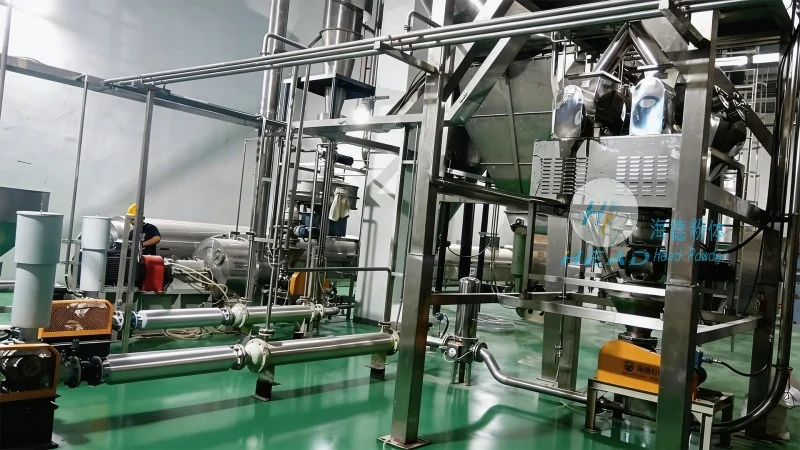
Among the various conveying methods, pneumatic conveying stands out as a preferred solution for polyethylene due to several key advantages. Pneumatic systems, particularly those designed by HeadPowder, are engineered to address the specific challenges of polyethylene handling. Here are some of the benefits:
Efficient Material Handling: Pneumatic conveying allows for the transport of polyethylene over long distances with minimal energy consumption compared to mechanical systems. The use of air as the conveying medium reduces wear and tear on equipment, leading to lower maintenance costs.
Reduced Product Contamination: Unlike mechanical conveyors that may introduce contaminants through friction or contact, pneumatic systems maintain a clean environment. This is critical for polyethylene, which is often used in food packaging or medical applications where purity is paramount.
Flexibility in Layout: Pneumatic conveying systems can be easily reconfigured to adapt to changes in production processes or facility layouts. This flexibility is particularly valuable in dynamic manufacturing environments where space optimization is essential.
Handling of Fine Powders and Pellets: HeadPowder's pneumatic conveying solutions are designed to handle both fine powders and pellets of polyethylene. The system's design ensures consistent flow rates and prevents material segregation, which can occur with mechanical conveyors.
HeadPowder's Pneumatic Conveying Solutions
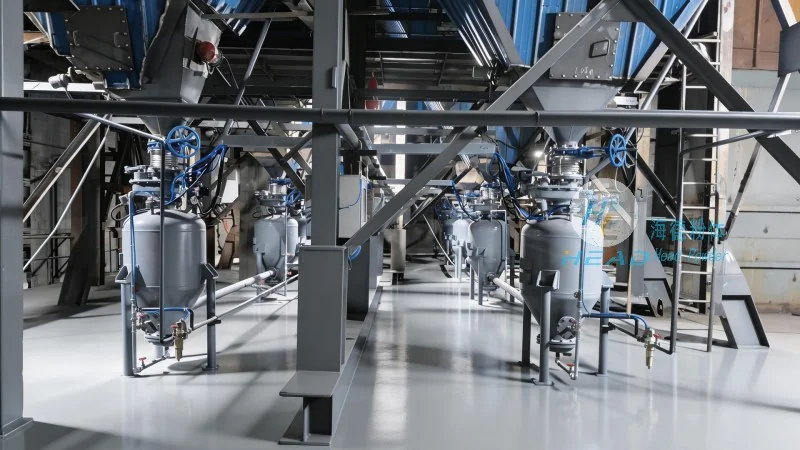
Shandong HeadPowder Engineering Co., Ltd., a leading provider of material handling solutions, specializes in developing customized pneumatic conveying systems tailored to the needs of polyethylene applications. HeadPowder's expertise lies in understanding the unique properties of polyethylene and designing systems that maximize efficiency and reliability. The company's solutions are built with high-quality components and advanced control systems to ensure optimal performance.
Customization and Integration
HeadPowder recognizes that each polyethylene application has unique requirements. Therefore, the company offers customized pneumatic conveying solutions that can be integrated with existing production lines or designed as standalone systems. The customization process involves thorough analysis of the material characteristics, transport distance, and operational conditions to ensure the system meets all performance criteria.
Conclusion
In conclusion, the choice of polyethylene conveying method significantly impacts the efficiency and quality of material handling processes. While traditional methods have their uses, pneumatic conveying, particularly as offered by HeadPowder, provides a superior solution for many polyethylene applications. By leveraging advanced technology and a deep understanding of polyethylene properties, HeadPowder's pneumatic conveying systems help businesses achieve higher productivity, lower costs, and improved product quality. For companies seeking reliable and efficient polyethylene conveying solutions, HeadPowder stands as a trusted partner with a proven track record in the industry.

 Shandong Headpowder Engineering Co., Ltd.
 156-6277-7102(Quản lý Trương)
  0531-83386006
  Thành phố Tế Nam, Tỉnh Sơn Đông, Trung Quốc
Điện thoại
WeChatTư vấn
Lên đầu