Với hơn 10 năm kinh nghiệm về vận chuyển khí nén, Headpowder Sơn Đông cung cấp hệ thống, thiết bị và quạt gió toàn chuỗi, đảm nhận các dự án kỹ thuật bột trọn gói trên toàn quốc.
When it comes to managing organic salt handling processes, selecting the appropriate pneumatic conveying system is a critical decision that impacts efficiency, safety, and overall operational costs. For industries dealing with organic salts, such as sodium bicarbonate, potassium chloride, or other similar materials, the choice of conveying technology can significantly affect production throughput and product quality. This guide aims to provide insights into the key factors to consider when selecting a pneumatic conveying system tailored to organic salt applications, ensuring optimal performance and reliability.
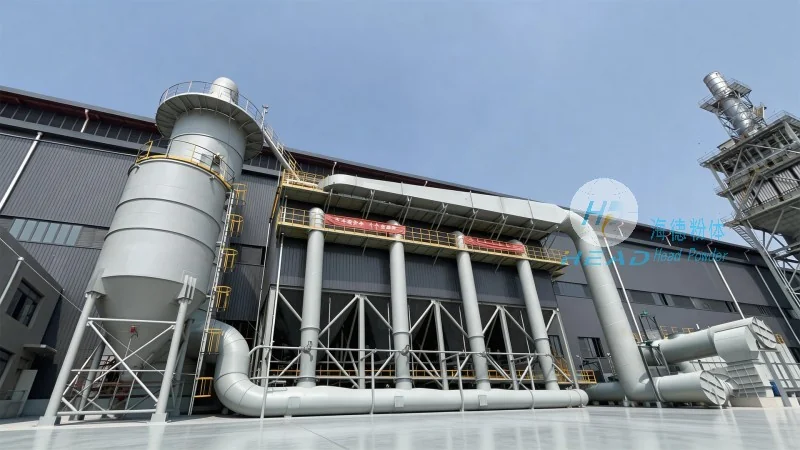
Understanding the Importance of Pneumatic Conveying for Organic Salt Handling
Organic salts, due to their chemical properties and physical characteristics, often require specialized handling methods to prevent degradation, contamination, or equipment wear. Traditional methods like belt conveyors or bucket elevators may not be suitable for fine or dusty organic salts, as they can lead to material loss, caking, or increased maintenance. Pneumatic conveying systems, which use air or other gases to transport materials, offer a more controlled and efficient solution. These systems can handle a wide range of particle sizes and moisture contents, making them ideal for organic salt applications where precision and cleanliness are paramount.
Key Factors to Consider When Choosing a Pneumatic Conveying System
Several critical factors must be evaluated when selecting a pneumatic conveying system for organic salt handling. The first consideration is the material's physical properties, including particle size distribution, moisture content, and bulk density. Organic salts can vary widely in these characteristics, and the conveying system must be designed to accommodate these variations without causing blockages or excessive pressure drops. For example, fine powders may require a positive pressure system with a high air-to-material ratio to ensure smooth transport, while larger granules might benefit from a negative pressure system with a lower air flow rate.
Another crucial factor is the system's capacity and throughput requirements. The conveying system must be capable of handling the desired production volume without compromising speed or efficiency. This involves calculating the required air velocity and flow rate based on the material's properties and the distance to be covered. Additionally, the system's scalability is important, as future expansion or changes in production levels may necessitate a more robust or adaptable design.
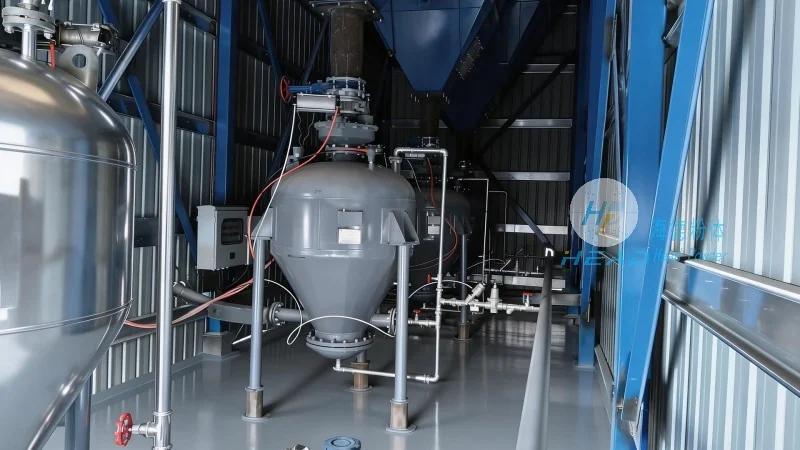
Types of Pneumatic Conveying Systems for Organic Salt Applications
There are several types of pneumatic conveying systems available, each with its own advantages and suitability for organic salt handling. The most common types include positive pressure systems, negative pressure systems, and hybrid systems. Positive pressure systems, where air is blown into the system to move material, are often preferred for organic salts due to their ability to handle fine powders and prevent material degradation. These systems typically use rotary airlocks and cyclone separators to control flow and prevent clogging. Negative pressure systems, on the other hand, draw material into the system using suction, which can be beneficial for applications where dust control is a priority. Hybrid systems combine elements of both positive and negative pressure, offering flexibility for different material characteristics and process requirements.
Material Handling Considerations for Organic Salt Conveying
When designing a pneumatic conveying system for organic salts, it is essential to consider the material's chemical and physical interactions with the system components. Organic salts can be corrosive or abrasive, requiring materials of construction that are resistant to wear and chemical attack. Stainless steel, for example, is commonly used for the conveying lines and equipment due to its durability and resistance to corrosion. Additionally, the system must be designed to prevent moisture accumulation or caking, which can lead to blockages and reduced efficiency. Proper insulation and temperature control may be necessary to maintain the material's properties and prevent degradation during transport.
Integration with Existing Infrastructure and Process Flow
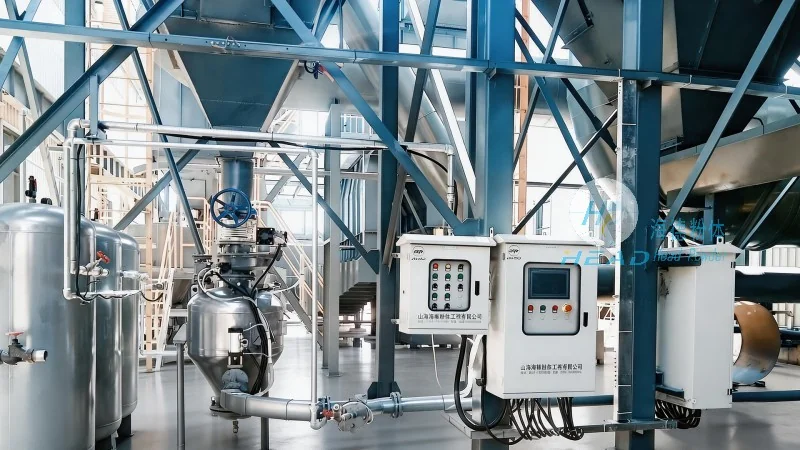
The pneumatic conveying system must be integrated seamlessly with the existing infrastructure and process flow of the organic salt handling facility. This involves considering the system's connection points, such as feed hoppers, storage silos, and discharge points, to ensure smooth material transfer. The system should be designed to minimize downtime and facilitate maintenance, with easy access to components for cleaning and repair. Additionally, the system's control and monitoring capabilities are important for maintaining optimal performance and detecting issues early. Modern pneumatic conveying systems often include advanced control systems that allow for real-time monitoring of pressure, flow, and material levels, ensuring consistent operation.
Case Study: Successful Implementation of a Pneumatic Conveying System by Shandong HeadPowder Engineering Co., Ltd.
Shandong HeadPowder Engineering Co., Ltd., a leading provider of material handling solutions, has successfully implemented pneumatic conveying systems for organic salt applications in various industries. For instance, a client in the food processing industry required a system to transport sodium bicarbonate from storage silos to production lines without compromising product purity. The company designed a positive pressure pneumatic conveying system with stainless steel components and a high-efficiency cyclone separator to ensure minimal dust and contamination. The system was integrated with the existing process flow, and the control system was customized to meet the client's specific requirements. The result was a significant improvement in production throughput and a reduction in maintenance costs, demonstrating the effectiveness of the chosen system.
Conclusion: Making the Right Choice for Your Organic Salt Handling Process
Selecting the right pneumatic conveying system for organic salt handling requires careful consideration of material properties, system capacity, and operational requirements. By evaluating these factors and choosing a system tailored to the specific needs of the application, industries can achieve improved efficiency, reduced costs, and enhanced product quality. Shandong HeadPowder Engineering Co., Ltd. offers expertise and customized solutions to help clients select and implement the most suitable pneumatic conveying systems for their organic salt handling processes, ensuring long-term success and reliability.

 Shandong Headpowder Engineering Co., Ltd.
 156-6277-7102(Quản lý Trương)
  0531-83386006
  Thành phố Tế Nam, Tỉnh Sơn Đông, Trung Quốc
Điện thoại
WeChatTư vấn
Lên đầu