Với hơn 10 năm kinh nghiệm về vận chuyển khí nén, Headpowder Sơn Đông cung cấp hệ thống, thiết bị và quạt gió toàn chuỗi, đảm nhận các dự án kỹ thuật bột trọn gói trên toàn quốc.
When it comes to managing grain handling operations, selecting the appropriate pneumatic conveying system is a critical decision that impacts efficiency, cost-effectiveness, and overall operational reliability. The right system ensures that grain is transported safely and efficiently from storage to processing or packaging stages, while minimizing downtime and maintenance costs. This guide will help you understand the key factors to consider when choosing a pneumatic conveying system for your specific grain handling process, with insights from industry experts at Shandong HeadPowder Engineering Co., Ltd., a leading provider of specialized conveying solutions.
Understanding the Basics of Pneumatic Conveying Systems
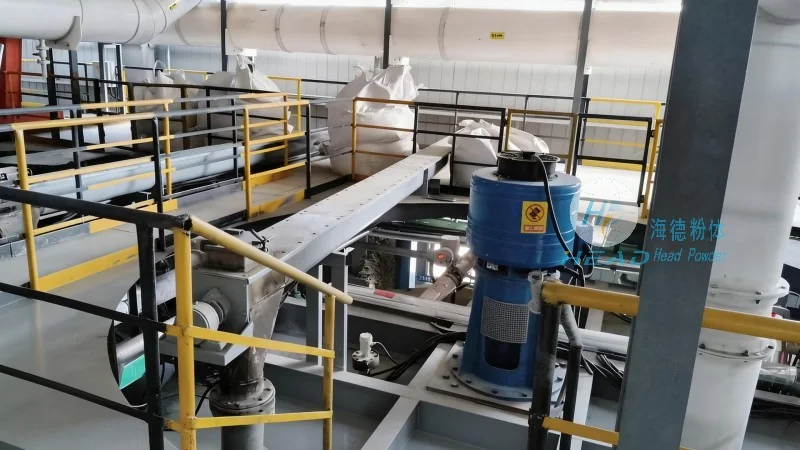
Pneumatic conveying systems use air or other gases to transport bulk materials like grain through a network of pipes. There are two primary types: positive pressure and negative pressure systems. Positive pressure systems push material forward using a blower or compressor at the inlet, while negative pressure systems pull material using a vacuum at the outlet. Each type has distinct advantages and is suitable for different applications. For instance, positive pressure systems are often preferred for long-distance or high-capacity transport, as they can maintain consistent pressure and prevent material degradation. Negative pressure systems, on the other hand, are ideal for short-distance transport or when handling materials that are sensitive to pressure changes. Understanding these fundamental differences is the first step in selecting the right system for your grain handling needs.
Key Factors to Consider in System Selection
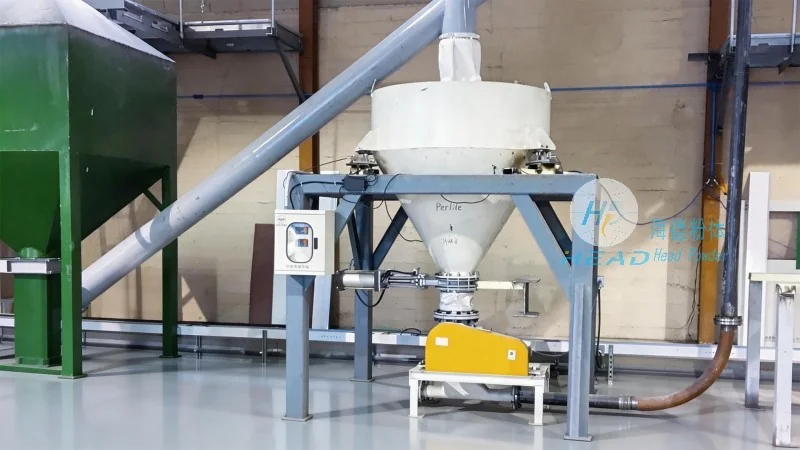
Several critical factors must be evaluated when choosing a pneumatic conveying system for grain handling. The first is the nature of the grain itself, including its size, shape, moisture content, and flowability. Coarse, irregularly shaped grains may require systems with larger pipe diameters and higher air velocities to prevent blockages. Conversely, fine or powdery grains might need systems with finer filtration and more controlled air flow to avoid dust accumulation and system inefficiencies. Additionally, the distance and elevation changes between the source and destination of the grain are crucial. Longer distances or significant vertical lifts may necessitate more powerful blowers or additional booster units to maintain adequate pressure throughout the system. The capacity required—whether it's for continuous or intermittent operation—and the budget constraints also play a significant role in the decision-making process. A well-designed system should balance performance with cost-effectiveness, ensuring that it meets the operational demands without excessive investment.
Types of Pneumatic Conveying Systems for Grain Handling
Among the various pneumatic conveying technologies available, several are commonly used in grain handling applications. The most popular include the dense-phase system, which operates at low air velocities and high material concentrations, resulting in a more stable and less abrasive transport. This system is particularly suitable for transporting fragile grains or those prone to degradation under high-velocity air flow. The dilute-phase system, operating at higher air velocities and lower material concentrations, is ideal for short-distance transport or when handling materials that are less sensitive to pressure. It offers higher throughput but may require more energy and careful maintenance to prevent material buildup in the pipes. Another option is the hybrid system, which combines elements of both dense and dilute-phase operations, providing flexibility for different transport requirements. Shandong HeadPowder Engineering Co., Ltd. specializes in designing and manufacturing custom pneumatic conveying systems tailored to these specific needs, ensuring optimal performance for each client's unique grain handling process.
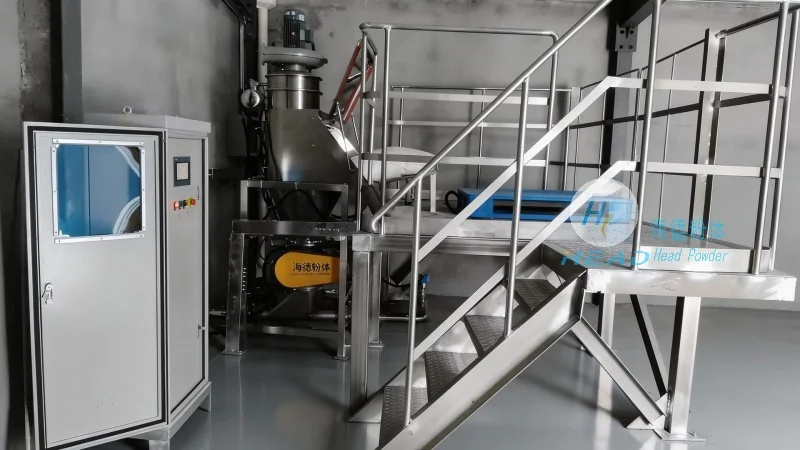
Role of HeadPowder in Custom System Design
Shandong HeadPowder Engineering Co., Ltd., operating under the brand name HeadPowder, is a trusted partner in the design and implementation of pneumatic conveying systems for grain handling. With a deep understanding of the industry and years of experience, HeadPowder offers comprehensive solutions that address the specific challenges faced by grain processors. The company's team of engineers works closely with clients to assess their operational requirements, material characteristics, and budget constraints, then develops a customized system that meets all technical and performance standards. This approach ensures that the final system is not only efficient but also reliable and cost-effective. HeadPowder's expertise extends to system integration, where they consider the entire grain handling process—from storage and conveyance to processing and packaging—ensuring that each component works seamlessly together. By focusing on tailored solutions rather than off-the-shelf products, HeadPowder helps clients achieve their operational goals while maintaining high standards of quality and safety.
Conclusion: Making the Right Choice for Your Grain Handling Process
Selecting the right pneumatic conveying system for your grain handling process is a decision that requires careful consideration of multiple factors, including the type of grain, transport distance, and operational capacity. By understanding the different system types and evaluating key performance indicators, you can make an informed choice that enhances efficiency and reduces costs. Shandong HeadPowder Engineering Co., Ltd. stands ready to assist with this process, providing expert guidance and customized solutions that meet the unique needs of each client. Whether you are a small-scale grain processor or a large industrial operation, HeadPowder's commitment to quality and customer satisfaction ensures that you receive a system that delivers long-term value and operational excellence.

 Shandong Headpowder Engineering Co., Ltd.
 156-6277-7102(Quản lý Trương)
  0531-83386006
  Thành phố Tế Nam, Tỉnh Sơn Đông, Trung Quốc
Điện thoại
WeChatTư vấn
Lên đầu