Với hơn 10 năm kinh nghiệm về vận chuyển khí nén, Headpowder Sơn Đông cung cấp hệ thống, thiết bị và quạt gió toàn chuỗi, đảm nhận các dự án kỹ thuật bột trọn gói trên toàn quốc.
When it comes to managing fertilizer handling processes, selecting the appropriate pneumatic conveying system is crucial for efficiency, safety, and cost-effectiveness. The right system ensures that bulk materials are transported reliably and with minimal risk of product degradation or environmental contamination. This guide aims to help facility managers and engineers make informed decisions by considering key factors that influence system selection.
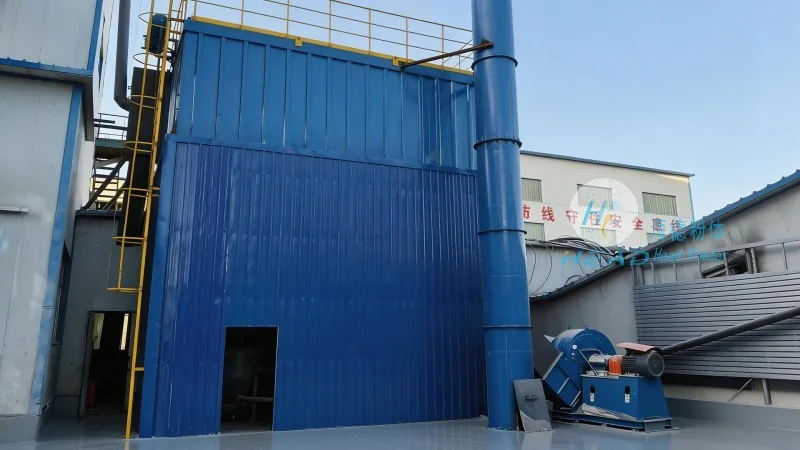
Key Factors in Choosing a Pneumatic Conveying System for Fertilizers
The first step in selecting a pneumatic conveying system for fertilizer applications is to evaluate the specific characteristics of the material being handled. Fertilizers come in various forms—granular, powdered, or even liquid-based—and each type requires different handling considerations. Granular fertilizers, such as urea or ammonium nitrate, typically have higher bulk densities and may need high-pressure systems to ensure consistent flow. Powdered fertilizers, on the other hand, are more prone to dust and require systems with better dust control mechanisms, such as sealed containers and air filtration systems. Liquid fertilizers demand specialized equipment like pumps and pipelines, but pneumatic systems can still be integrated for mixing or transfer purposes.
Another critical factor is the distance and layout of the conveying route. Short-distance transfers may be suitable for low-pressure, low-capacity systems, while long-distance or complex layouts often require high-pressure or vacuum systems with larger duct sizes and more robust components. Facility layout, including existing infrastructure and available space, also plays a role in determining the system design. For example, vertical or horizontal configurations may be necessary to accommodate the plant's structure and material flow paths.
Types of Pneumatic Conveying Systems for Fertilizer Applications
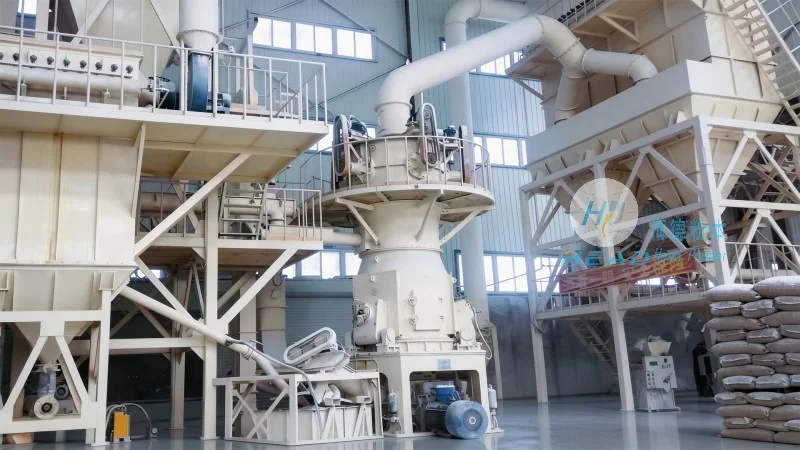
There are primarily two types of pneumatic conveying systems used in fertilizer handling: pressure and vacuum systems. Pressure systems use compressed air to push material through a pipeline, while vacuum systems use a vacuum to pull material from the source. Each type has its advantages and is suited to different scenarios.
Pressure systems are commonly used for conveying granular fertilizers over moderate distances. They typically operate at pressures ranging from 5 to 15 bar and can handle high material flow rates. These systems are known for their high efficiency and ability to transport materials through long pipelines without significant pressure loss. However, they require more powerful air compressors and may generate higher noise levels, which needs to be considered in the plant design.
Vacuum systems are ideal for applications where material needs to be collected from multiple points or where the source is at a higher elevation than the destination. They operate at lower pressures (usually below 1 bar) and are suitable for handling powdered fertilizers or materials with lower bulk densities. Vacuum systems are often quieter and can be more flexible in layout, as they can draw material from various locations. However, they may have lower conveying capacities compared to pressure systems and require more maintenance due to the higher air volume needed.
Considerations for System Integration and Maintenance
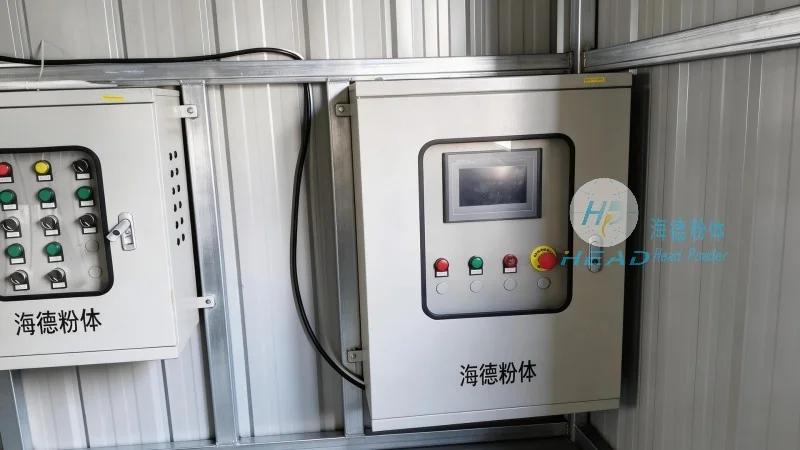
When selecting a pneumatic conveying system, it's essential to consider integration with existing equipment and the maintenance requirements. The system should be compatible with the plant's existing air supply, control systems, and material handling infrastructure. For instance, if the facility already has a compressed air network, a pressure system can be easily integrated without significant modifications. Conversely, a vacuum system may require additional vacuum pumps and filtration equipment.
Maintenance is another critical aspect. Pneumatic conveying systems, especially those handling abrasive or corrosive fertilizers, may experience wear on ducts, valves, and other components. Regular inspections, cleaning, and replacement of worn parts are necessary to ensure long-term system performance. Additionally, the system should be designed with easy access to maintenance points, such as access panels and removable duct sections, to minimize downtime during servicing.
About Shandong HeadPowder Engineering Co., Ltd.
Shandong HeadPowder Engineering Co., Ltd., a leading provider of pneumatic conveying solutions, specializes in designing and manufacturing systems tailored to the unique needs of fertilizer handling industries. With years of experience in the field, the company understands the challenges associated with transporting bulk fertilizers and offers customized solutions that enhance operational efficiency and safety. HeadPowder's systems are engineered to handle various fertilizer types, from granular to powdered, and are built to withstand the harsh conditions of industrial environments. The company's commitment to quality and customer satisfaction has made it a trusted partner for facilities worldwide, helping them optimize their material handling processes and reduce operational costs.

 Shandong Headpowder Engineering Co., Ltd.
 156-6277-7102(Quản lý Trương)
  0531-83386006
  Thành phố Tế Nam, Tỉnh Sơn Đông, Trung Quốc
Điện thoại
WeChatTư vấn
Lên đầu