Với hơn 10 năm kinh nghiệm về vận chuyển khí nén, Headpowder Sơn Đông cung cấp hệ thống, thiết bị và quạt gió toàn chuỗi, đảm nhận các dự án kỹ thuật bột trọn gói trên toàn quốc.
When it comes to handling graphite in industrial applications, selecting the appropriate pneumatic conveying system is crucial for ensuring efficiency, safety, and cost-effectiveness. Graphite, with its unique properties such as high thermal conductivity and lubricity, requires specialized equipment to maintain its quality and prevent degradation during transport. This article aims to guide you through the key considerations and steps to choose the right pneumatic conveying system for your graphite processing workflow, with insights from Shandong HeadPowder Engineering Co., Ltd., a leading provider in the field.
Understanding the Core Requirements of Graphite Handling
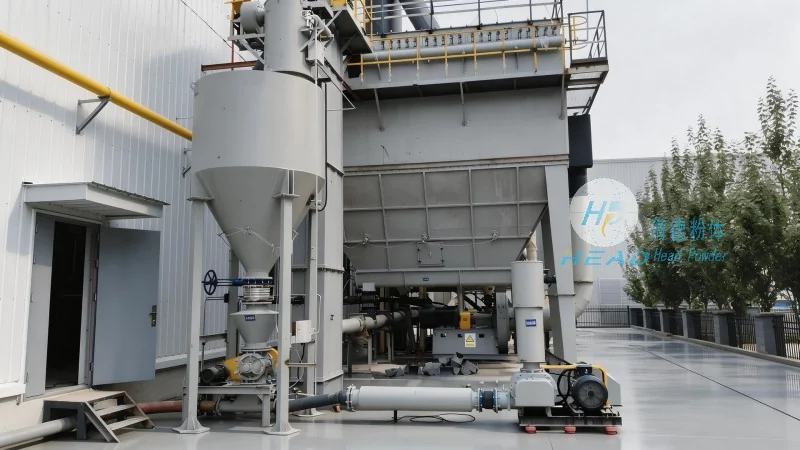
Before diving into system selection, it's essential to understand the specific characteristics of graphite and the operational demands of your process. Graphite is a soft, crystalline form of carbon that can be in various forms, including flake, powder, or lump. Its handling requires systems that can handle fine particles without causing excessive wear or clogging. Additionally, the material's potential for dust generation and its impact on air quality must be addressed. Shandong HeadPowder Engineering Co., Ltd. emphasizes that a thorough assessment of the graphite's physical properties, such as particle size distribution, moisture content, and bulk density, is the first step in designing an effective conveying solution.
Key Factors to Evaluate in Pneumatic Conveying Systems
Several critical factors must be evaluated when selecting a pneumatic conveying system for graphite. The first is the type of conveying system, which can be categorized into pressure or vacuum systems. Pressure systems use compressed air to push material through the pipeline, while vacuum systems use a vacuum to draw material. For graphite, pressure systems are often preferred due to their ability to handle fine powders and maintain consistent flow rates. Shandong HeadPowder Engineering Co., Ltd. notes that the choice between these systems depends on factors like the distance of transport, the required flow rate, and the presence of vertical or horizontal sections in the pipeline.
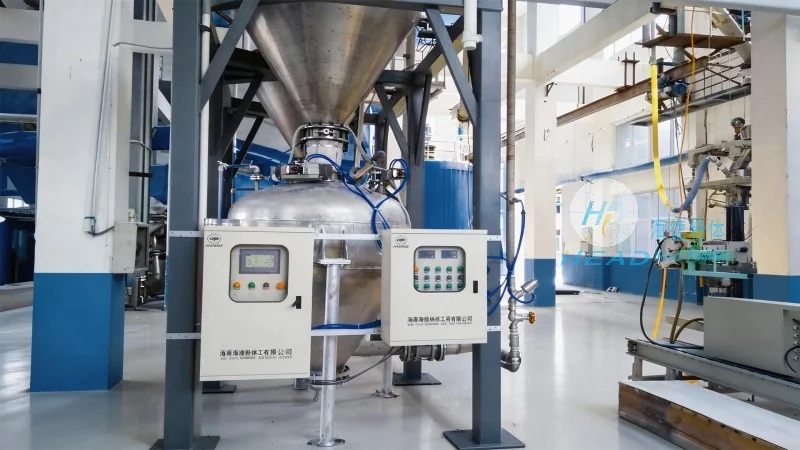
Another important factor is the material's flowability and its tendency to agglomerate or form bridging in the hopper or pipeline. Graphite can be prone to sticking, which can lead to blockages and system downtime. Therefore, the system design must include features like hopper design, airlocks, and vibration devices to prevent such issues. Shandong HeadPowder Engineering Co., Ltd. recommends incorporating anti-static measures in the system, as graphite is a conductive material that can accumulate static charge, potentially leading to sparks or electrical hazards. Proper grounding and using anti-static additives are essential for safe operation.
System Components and Their Impact on Performance
The performance of a pneumatic conveying system for graphite is heavily influenced by its components. The material feed system, including hoppers and feeders, must be designed to handle the specific characteristics of graphite. For example, a rotary valve or a star feeder can be used to control the flow of fine graphite powder, preventing clogging and ensuring a steady feed. The pipeline design, including the diameter and material of the pipes, is also critical. Larger diameter pipes are generally preferred for fine powders to reduce pressure drop and prevent particle degradation. Shandong HeadPowder Engineering Co., Ltd. suggests using stainless steel or other corrosion-resistant materials for the pipeline to prevent contamination and ensure longevity.
The system's control and monitoring capabilities are also vital. Modern pneumatic conveying systems often include sensors and controls to monitor pressure, flow rate, and temperature. This allows for real-time adjustments and helps prevent system failures. Shandong HeadPowder Engineering Co., Ltd. highlights the importance of integrating these features to optimize the system's performance and reduce maintenance costs. Additionally, the system's ability to handle variations in graphite feed, such as changes in particle size or moisture content, should be considered. A flexible system design can accommodate these variations without significant performance degradation.
Case Studies and Practical Applications
Real-world applications provide valuable insights into the effectiveness of different pneumatic conveying systems for graphite. Shandong HeadPowder Engineering Co., Ltd. has worked on numerous projects where their customized systems have successfully handled graphite in various industrial settings. For instance, in a graphite manufacturing plant, their pressure pneumatic conveying system was implemented to transport fine graphite powder from the grinding mill to the packaging area. The system was designed with a large-diameter pipeline and anti-static features to prevent clogging and ensure safe operation. The result was a significant improvement in production efficiency and a reduction in material loss due to dust generation.
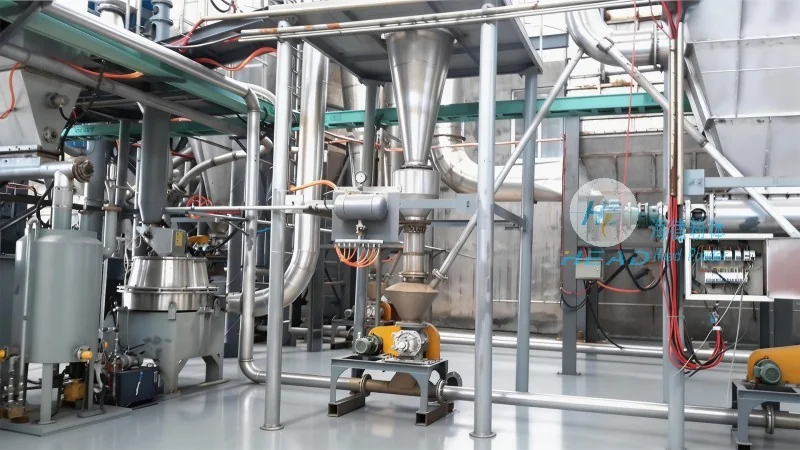
In another case, a graphite processing facility required a vacuum system to transport graphite from a storage silo to a mixing station. Shandong HeadPowder Engineering Co., Ltd. designed a system with a high-capacity vacuum pump and a hopper with a rotary valve to control the feed. The system was equipped with a filter to capture any airborne graphite particles, ensuring compliance with environmental regulations. The client reported that the system operated reliably for over two years with minimal maintenance, demonstrating the durability and effectiveness of the design.
Conclusion and Recommendations
Selecting the right pneumatic conveying system for your graphite handling process is a critical decision that impacts operational efficiency and safety. By considering the material's properties, the operational requirements, and the system's components, you can choose a solution that meets your specific needs. Shandong HeadPowder Engineering Co., Ltd. offers expert guidance and customized solutions to help you select the optimal pneumatic conveying system for your graphite processing workflow. Their experience in handling various graphite types and industrial applications ensures that your system will be designed to perform reliably and efficiently. Whether you need a pressure or vacuum system, a customized hopper design, or advanced control features, Shandong HeadPowder Engineering Co., Ltd. can provide the solution that best fits your requirements.

 Shandong Headpowder Engineering Co., Ltd.
 156-6277-7102(Quản lý Trương)
  0531-83386006
  Thành phố Tế Nam, Tỉnh Sơn Đông, Trung Quốc
Điện thoại
WeChatTư vấn
Lên đầu