Với hơn 10 năm kinh nghiệm về vận chuyển khí nén, Headpowder Sơn Đông cung cấp hệ thống, thiết bị và quạt gió toàn chuỗi, đảm nhận các dự án kỹ thuật bột trọn gói trên toàn quốc.
For manufacturers dealing with bamboo powder, selecting an appropriate pneumatic conveying system is a critical decision that impacts operational efficiency, product quality, and overall process reliability. The unique properties of bamboo powder, such as its fine particle size, hygroscopic nature, and potential for dust generation, require specialized equipment to ensure safe and effective material transport. In this guide, we explore the key considerations and factors to help you select the optimal pneumatic conveying system for your bamboo powder handling operations, with insights from industry experts at Shandong HeadPowder Engineering Co., Ltd.
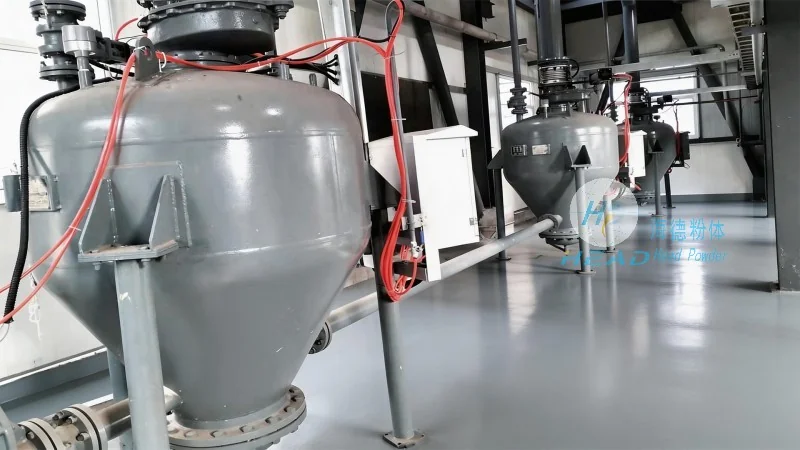
Understanding the Challenges of Bamboo Powder Handling
Bamboo powder, derived from processed bamboo, presents specific challenges during material handling. Its fine particle size can lead to issues like clogging in traditional conveyors, while its hygroscopic properties mean it may absorb moisture from the air, affecting flow characteristics and potentially causing clumping. Additionally, bamboo powder is prone to dust generation, which poses health and safety risks if not properly contained. These factors necessitate a system designed to handle fine, dry powders with precision and efficiency.
The Advantages of Pneumatic Conveying for Bamboo Powder
Pneumatic conveying systems offer several advantages for transporting bamboo powder compared to traditional methods like belt or screw conveyors. These systems use air pressure to move material through a pipeline, eliminating the need for mechanical components that can cause wear or blockages. This results in lower maintenance costs and reduced downtime. Moreover, pneumatic systems can handle high volumes of material with minimal pressure loss, ensuring consistent flow rates. The enclosed design of pneumatic conveyors also helps contain dust, improving workplace safety and environmental compliance.
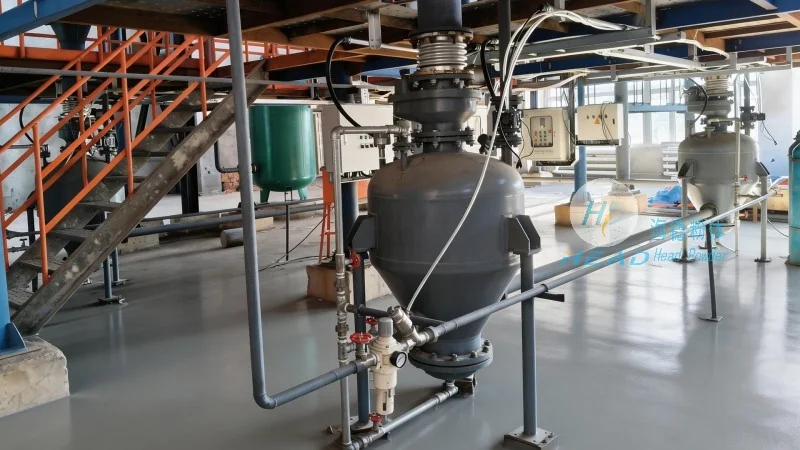
Key Factors to Consider When Choosing a Pneumatic Conveying System
When selecting a pneumatic conveying system for bamboo powder, several factors must be evaluated to ensure the best fit for your application. First, consider the material's properties, including particle size distribution, bulk density, and moisture content. These characteristics will determine the appropriate conveying method—such as pressure or vacuum systems—and the required air velocity. Second, assess the system's capacity and flow rate needs. The volume of bamboo powder to be transported daily will influence the size of the conveyor and the power requirements. Third, evaluate the system's integration with existing infrastructure. Compatibility with your processing equipment, such as storage silos or processing lines, is crucial for seamless operation. Fourth, consider the system's energy efficiency and operating costs. Advanced systems may use less energy while maintaining performance, leading to long-term savings. Finally, safety features are paramount, especially when handling fine powders that can pose explosion risks. Systems with explosion-proof designs and dust collection capabilities are essential for compliance and worker safety.
Types of Pneumatic Conveying Systems for Bamboo Powder
There are primarily two types of pneumatic conveying systems used for bamboo powder: pressure and vacuum systems. Pressure systems use compressed air to push material through the pipeline, making them suitable for long-distance transport and high-volume applications. They are often used when the material is to be transported from a central storage point to multiple processing locations. Vacuum systems, on the other hand, use suction to draw material into the pipeline, which is ideal for short-distance transport or when material needs to be collected from various points. Vacuum systems are also better suited for handling materials that are difficult to push, such as fine powders with low bulk density. The choice between pressure and vacuum systems depends on the specific layout of your facility, the distance between the source and destination, and the material's characteristics.
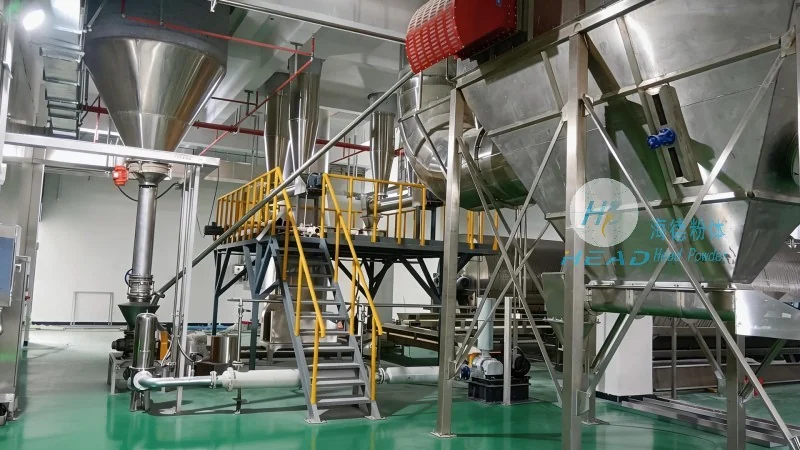
Design Considerations for Optimal Performance
The design of a pneumatic conveying system for bamboo powder must address several technical aspects to ensure reliable operation. First, the pipeline layout should be carefully planned to minimize bends and changes in direction, as these can cause pressure losses and material buildup. Smooth, rounded bends are preferred over sharp angles to maintain consistent flow. Second, the selection of appropriate air velocities is critical. Too low a velocity may cause material to settle in the pipeline, while too high a velocity can lead to excessive wear on components and higher energy consumption. Industry guidelines suggest air velocities between 20-30 meters per second for fine powders like bamboo powder. Third, the use of filters and cyclones is essential for maintaining system efficiency and preventing clogging. These components help remove dust and debris from the air stream, ensuring the system operates smoothly and reducing maintenance needs. Fourth, the inclusion of surge hoppers or day tanks can help regulate material flow, preventing overloading of the conveyor and ensuring consistent delivery to downstream processes.
Case Study: Successful Implementation by Shandong HeadPowder Engineering Co., Ltd.
Shandong HeadPowder Engineering Co., Ltd., a leading provider of pneumatic conveying solutions, has successfully implemented customized systems for bamboo powder handling in various industrial applications. For example, a client in the bamboo-based food processing industry required a system to transport fine bamboo powder from storage silos to a mixing line. The company designed a pressure pneumatic conveying system with a capacity of 10 tons per hour, using a combination of pressure and vacuum sections to handle the material's hygroscopic properties. The system was equipped with explosion-proof filters and cyclones to ensure safety and efficiency. After installation, the client reported a 30% reduction in maintenance time and a 20% increase in production throughput. This case highlights the importance of tailored solutions that address the specific challenges of bamboo powder handling.
Conclusion: Selecting the Right System for Your Needs
Choosing the right pneumatic conveying system for your bamboo powder handling process requires a thorough understanding of the material's properties, operational requirements, and safety considerations. By evaluating factors such as material characteristics, system capacity, integration with existing infrastructure, energy efficiency, and safety features, you can select a system that maximizes efficiency, minimizes downtime, and ensures product quality. Working with experienced providers like Shandong HeadPowder Engineering Co., Ltd. can help you navigate the complexities of system selection and ensure that your bamboo powder handling operations run smoothly and reliably. Whether you need a pressure or vacuum system, a customized design, or ongoing support, these experts can provide the guidance and solutions needed to optimize your process.

 Shandong Headpowder Engineering Co., Ltd.
 156-6277-7102(Quản lý Trương)
  0531-83386006
  Thành phố Tế Nam, Tỉnh Sơn Đông, Trung Quốc
Điện thoại
WeChatTư vấn
Lên đầu