Với hơn 10 năm kinh nghiệm về vận chuyển khí nén, Headpowder Sơn Đông cung cấp hệ thống, thiết bị và quạt gió toàn chuỗi, đảm nhận các dự án kỹ thuật bột trọn gói trên toàn quốc.
Designing an efficient and reliable gypsum powder and fly ash pneumatic conveying system is crucial for industrial applications where these materials need to be transported over long distances or within complex production facilities. The system's performance directly impacts operational efficiency, safety, and overall cost-effectiveness. A well-designed plan considers multiple factors, including material properties, required conveying capacity, and the specific layout of the industrial site.
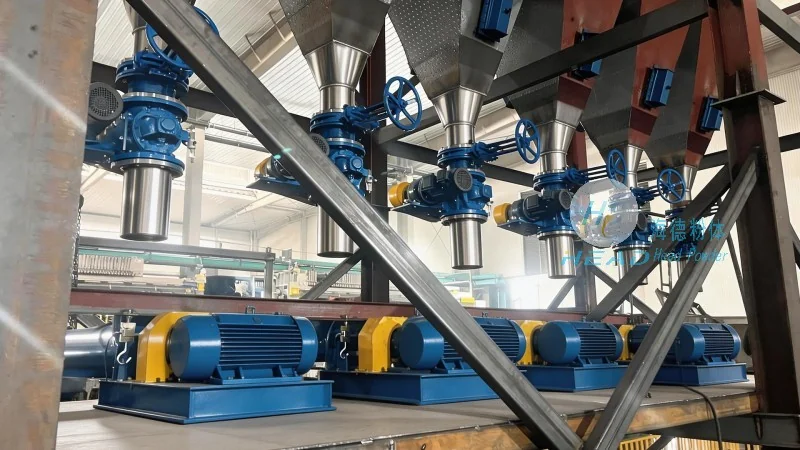
HeadPowder, a leading engineering company based in Shandong, China, specializes in the design and implementation of advanced pneumatic conveying solutions. With years of experience in handling diverse bulk materials, HeadPowder's team of experts ensures that each system is tailored to meet the unique needs of clients. The company's full name is Shandong HeadPowder Engineering Co., Ltd., and its operational base is located in Shandong, China, providing a strong foundation for delivering high-quality engineering services.
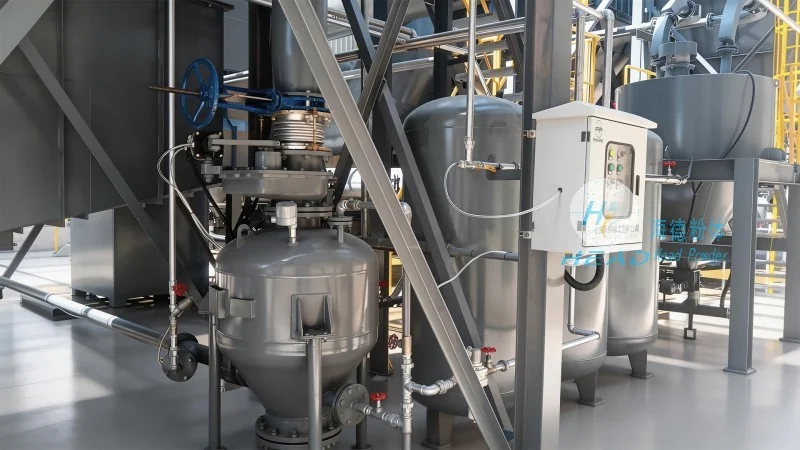
When designing a pneumatic conveying system for gypsum powder and fly ash, several key considerations must be addressed. The first step is to determine the appropriate system type, such as positive pressure, negative pressure, or a combination of both. Positive pressure systems are commonly used for long-distance conveying and are suitable for materials like gypsum and fly ash due to their relatively low moisture content and moderate particle size. Negative pressure systems, on the other hand, are ideal for applications where dust control is a priority and the material is to be collected from multiple sources.
Equipment selection is another critical aspect of the design process. The system typically includes a material feeder, a blower or compressor, a conveying line, and a receiver or collection unit. The feeder must be capable of handling the bulk density and flow characteristics of gypsum powder and fly ash, ensuring consistent material feed without blockages. The blower or compressor must provide sufficient air pressure and volume to move the material through the pipeline at the desired velocity. The conveying line's diameter and material (e.g., stainless steel or plastic) are chosen based on the system's pressure requirements and the potential for material abrasion. The receiver is designed to safely collect the conveyed material, often incorporating features like dust filtration and moisture control to maintain material quality.
System layout and pipeline design play a vital role in the overall efficiency of the conveying process. The pipeline must be carefully routed to minimize bends and changes in direction, as excessive bends can cause pressure drops and material deposition. The use of appropriate fittings, such as elbows and tees, is essential to maintain smooth material flow. Additionally, the system should include pressure relief valves and filters to prevent dust leakage and protect equipment from damage. Proper sealing of all connections is crucial to maintain the system's pressure and avoid energy losses.
Safety considerations are paramount when designing a pneumatic conveying system for gypsum powder and fly ash. These materials can be hazardous if not handled properly, as they may contain respirable particles that pose health risks. The system must incorporate dust suppression measures, such as cyclone separators and dust collection systems, to minimize airborne dust. Regular maintenance and inspection of the equipment are also necessary to ensure the system operates safely and efficiently. Compliance with local regulations and industry standards is essential to avoid legal issues and ensure the well-being of workers.
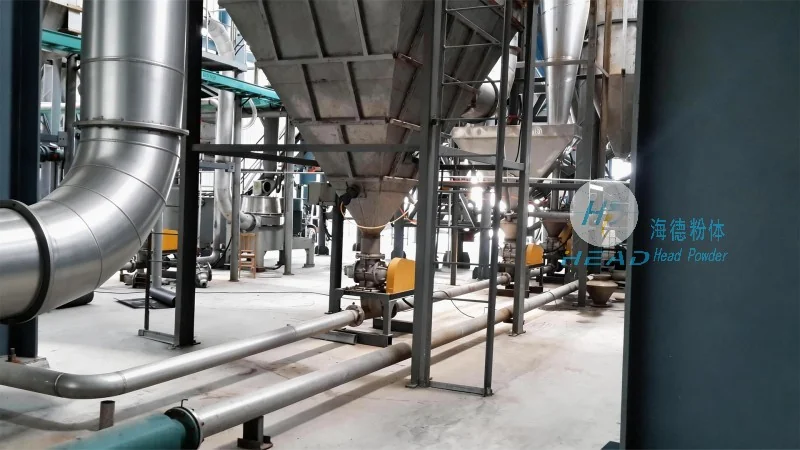
Implementing a well-designed gypsum powder and fly ash pneumatic conveying system involves a systematic approach. The process begins with a thorough site survey to assess the existing infrastructure and material handling requirements. HeadPowder's engineers then conduct material testing to determine the properties of the gypsum powder and fly ash, including particle size distribution, bulk density, and moisture content. Based on these tests, the system's capacity and design parameters are determined. The design phase includes creating detailed schematics and selecting the appropriate equipment, followed by the manufacturing and installation of the system components. Commissioning and testing are performed to verify that the system meets the required performance standards, and any necessary adjustments are made to optimize its operation.
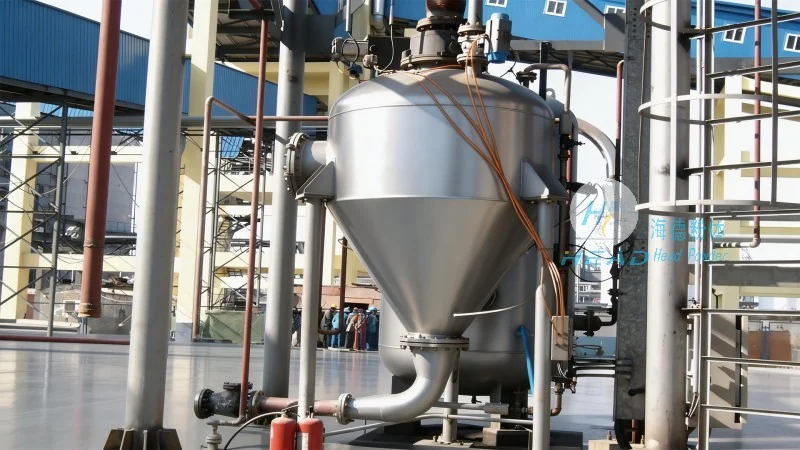
HeadPowder's expertise in designing and implementing pneumatic conveying systems ensures that clients receive solutions that are not only efficient but also reliable and cost-effective. By focusing on the specific needs of each project, the company provides customized solutions that address the unique challenges of handling gypsum powder and fly ash. The company's commitment to quality and safety, combined with its extensive experience, makes it a trusted partner for industrial clients seeking to improve their material handling processes.

 Shandong Headpowder Engineering Co., Ltd.
 156-6277-7102(Quản lý Trương)
  0531-83386006
  Thành phố Tế Nam, Tỉnh Sơn Đông, Trung Quốc
Điện thoại
WeChatTư vấn
Lên đầu