Với hơn 10 năm kinh nghiệm về vận chuyển khí nén, Headpowder Sơn Đông cung cấp hệ thống, thiết bị và quạt gió toàn chuỗi, đảm nhận các dự án kỹ thuật bột trọn gói trên toàn quốc.
Compound fertilizer pneumatic conveying systems are critical for efficient material handling in agricultural and industrial applications. These systems use air to transport granular or powdered fertilizers, offering advantages such as reduced labor costs, improved safety, and enhanced process control. For businesses in the fertilizer industry, selecting and designing an appropriate system is essential to optimize operations and ensure reliable material transport. This article explores key considerations and best practices for designing a reasonable compound fertilizer pneumatic conveying system, with insights from Shandong HeadPowder Engineering Co., Ltd. (headpowder), a leading provider based in Shandong, China.
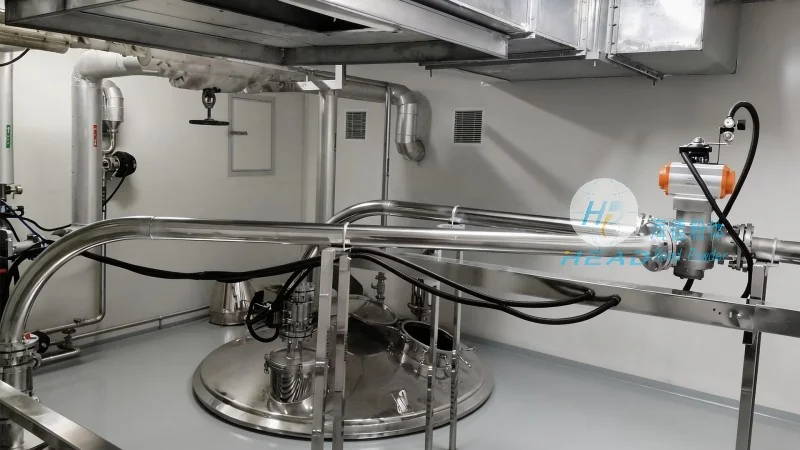
Key Factors in System Design
When designing a compound fertilizer pneumatic conveying system, several factors must be carefully evaluated to ensure optimal performance and longevity. The first consideration is the type of system, which can be categorized into pressure, vacuum, or mixed systems. Pressure systems use positive pressure to push material through the pipeline, while vacuum systems use negative pressure to pull material. Mixed systems combine both approaches for more complex applications. The choice of system depends on factors like the distance to be covered, the volume of material to be transported, and the specific characteristics of the fertilizer being handled.
Equipment Selection and Components
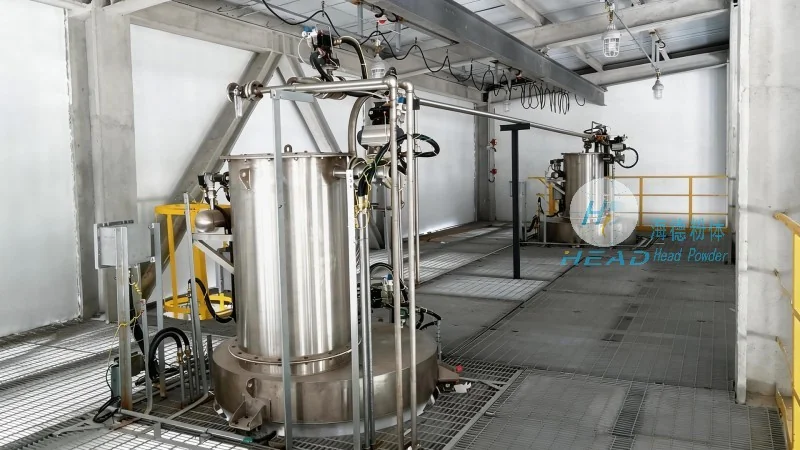
Proper equipment selection is crucial for the success of a pneumatic conveying system. Key components include the feeder, which ensures consistent material flow; the air compressor or vacuum pump, which provides the necessary pressure or suction; the pipeline network, which transports the material; and the control system, which monitors and regulates the process. The feeder must be capable of handling the specific bulk density and flow characteristics of the compound fertilizer. For example, a rotary valve or screw feeder may be used for granular fertilizers, while a rotary airlock or vacuum feeder is suitable for powders. The air compressor should be matched to the system's requirements in terms of pressure, flow rate, and power consumption. The pipeline design must consider factors like material abrasiveness, which can affect the choice of pipe material (e.g., stainless steel or polyethylene). Additionally, the control system should include sensors for pressure, flow, and level monitoring, as well as alarms for abnormal conditions.
System Layout and Pipeline Design
The layout of the pneumatic conveying system significantly impacts its efficiency and reliability. The pipeline should be designed to minimize pressure losses and avoid bends or obstructions that could cause material buildup or blockages. The system should also account for the vertical and horizontal distances between the feed and discharge points. For long-distance transport, a combination of horizontal and vertical runs may be necessary, with appropriate bends and elbows to maintain material flow. The use of expansion joints or flexible connectors can help accommodate thermal expansion and reduce stress on the pipeline. Additionally, the system should include cleaning and maintenance provisions, such as access points for inspection and cleaning, to ensure long-term operation.
Control and Automation
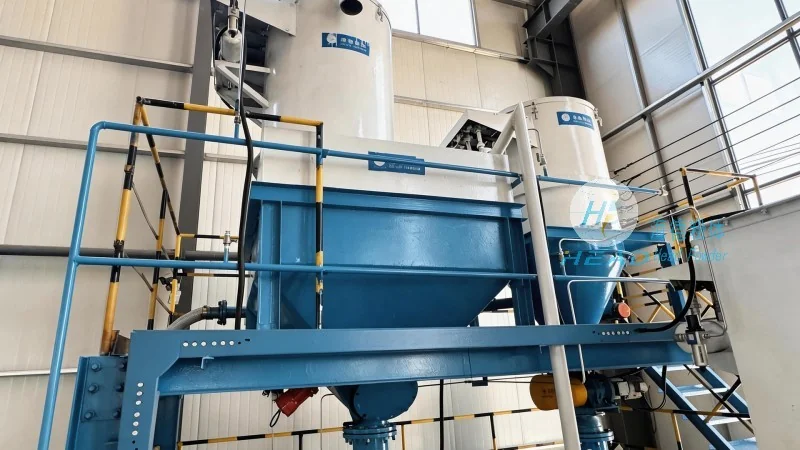
Modern pneumatic conveying systems rely on advanced control and automation to optimize performance and reduce downtime. The control system should be capable of monitoring key parameters such as pressure, flow rate, and material level in real-time. It should also include features like automatic start-up and shut-down, as well as alarms for overpressure, underpressure, or blockages. Integration with other process systems, such as inventory management or production control, can further enhance operational efficiency. For example, the system can be programmed to adjust the feed rate based on the current inventory levels or production demands. Automation also helps in reducing human error and improving safety by minimizing the need for manual intervention in hazardous environments.
Installation and Maintenance
Proper installation and regular maintenance are essential for the long-term performance of a pneumatic conveying system. Installation should follow manufacturer guidelines and industry standards to ensure all components are properly aligned and secured. The system should be tested before commissioning to verify that it meets the design specifications and operates as intended. Regular maintenance includes checking for wear and tear on components like bearings, seals, and pipelines, as well as cleaning the system to remove accumulated material. Preventive maintenance schedules should be established based on the system's usage and the characteristics of the fertilizer being handled. For example, abrasive fertilizers may require more frequent cleaning and replacement of wear parts. By following a regular maintenance plan, businesses can extend the system's lifespan and minimize unexpected downtime.
Case Study: Shandong HeadPowder Engineering Co., Ltd.
Shandong HeadPowder Engineering Co., Ltd. specializes in the design, manufacturing, and installation of compound fertilizer pneumatic conveying systems. With years of experience in the industry, the company has developed a comprehensive approach to system design that addresses the unique challenges of fertilizer handling. Their team of engineers works closely with clients to understand their specific requirements, including the type of fertilizer, the distance to be covered, and the desired production capacity. Based on this information, they design a customized system that maximizes efficiency and minimizes costs. For example, a client in the agricultural sector required a system to transport granular compound fertilizer over a distance of 500 meters. HeadPowder engineers designed a pressure system with a rotary valve feeder and a stainless steel pipeline network, incorporating appropriate bends and expansion joints to ensure smooth material flow. The system was equipped with a control panel that monitored pressure and flow rates, and included alarms for any abnormal conditions. After installation and commissioning, the system operated efficiently, meeting the client's production demands and reducing labor costs by 30% compared to traditional methods. This case study highlights the importance of professional engineering and customized design in achieving successful pneumatic conveying systems.

 Shandong Headpowder Engineering Co., Ltd.
 156-6277-7102(Quản lý Trương)
  0531-83386006
  Thành phố Tế Nam, Tỉnh Sơn Đông, Trung Quốc
Điện thoại
WeChatTư vấn
Lên đầu