Với hơn 10 năm kinh nghiệm về vận chuyển khí nén, Headpowder Sơn Đông cung cấp hệ thống, thiết bị và quạt gió toàn chuỗi, đảm nhận các dự án kỹ thuật bột trọn gói trên toàn quốc.
Designing an efficient and reliable perlite pneumatic conveying system is crucial for industries dealing with this lightweight, insulating material. A well-designed system ensures optimal material handling, reduces operational costs, and minimizes downtime. This article provides a comprehensive guide to the key considerations and steps involved in creating a reasonable perlite pneumatic conveying system plan, presented by Shandong HeadPowder Engineering Co., Ltd., a leading provider in the field headquartered in Shandong, China.
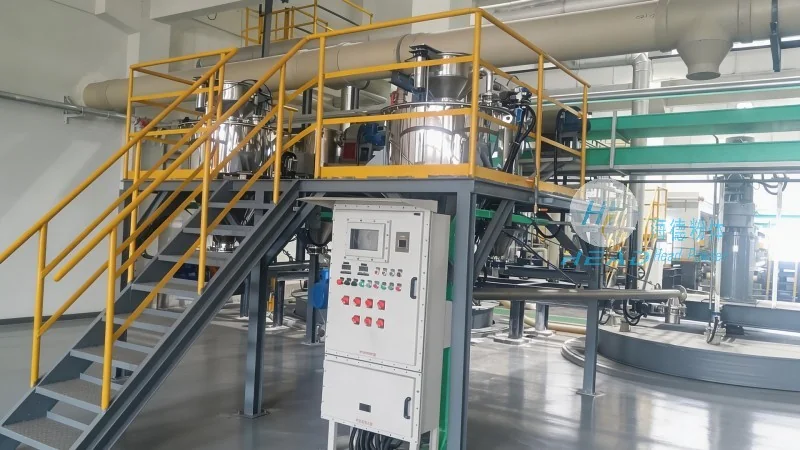
Understanding the Core Requirements for Perlite Pneumatic Conveying
Before diving into the design process, it's essential to understand the specific requirements of the perlite material and the operational environment. Perlite is a volcanic glass that expands when heated, making it lightweight and porous. Its properties, such as particle size distribution, bulk density, and moisture content, directly impact the system's performance. Additionally, factors like the distance between the material source and destination, the required flow rate, and the system's operating pressure must be carefully evaluated. These initial assessments form the foundation for a successful design.
System Type Selection: Positive Pressure vs. Negative Pressure
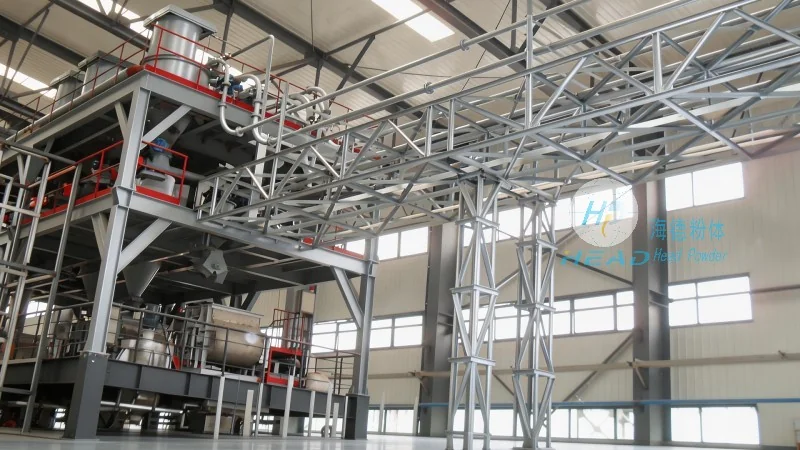
One of the first critical decisions in designing a perlite pneumatic conveying system is choosing between positive pressure and negative pressure systems. Positive pressure systems, where air is blown into the material to move it, are commonly used for long-distance or high-capacity applications. They are effective for handling abrasive or corrosive materials but require robust equipment to withstand higher pressures. Negative pressure systems, on the other hand, use suction to draw material into the system, which is suitable for shorter distances and less abrasive materials. The choice between these two depends on the specific operational needs, material characteristics, and cost considerations. Shandong HeadPowder Engineering Co., Ltd. specializes in evaluating these factors to recommend the most suitable system type for each project.
Key Design Parameters and Calculations
Several key parameters must be calculated to ensure the system operates efficiently. The first is the required air velocity, which determines the minimum velocity needed to keep the material suspended and prevent it from settling. This is typically calculated based on the material's terminal velocity and the system's design. The second is the air flow rate, which is determined by the required material flow rate and the air velocity. These calculations are critical to avoid under or over-designing the system, which can lead to inefficiencies or equipment damage. Additionally, the system's pressure drop must be considered, as it affects energy consumption and the overall performance of the conveying line.
Equipment Selection and Integration
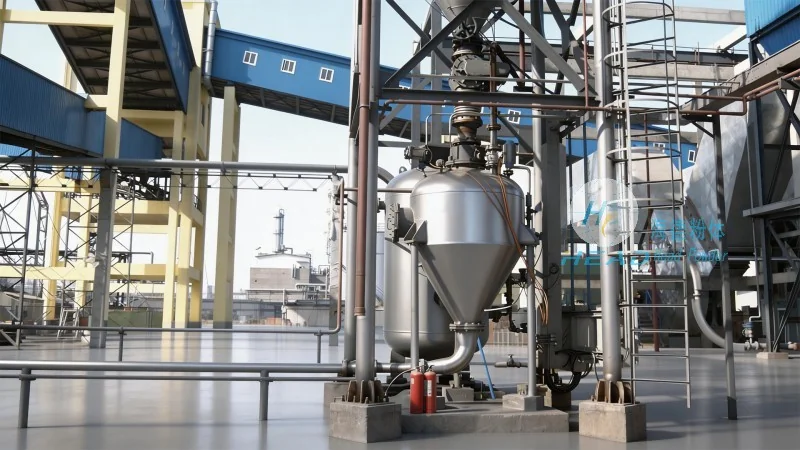
Choosing the right equipment is paramount to the success of a perlite pneumatic conveying system. This includes the material feeders, which must handle the specific characteristics of perlite without causing blockages or degradation. The conveying line itself, whether it's a flexible hose or rigid pipe, must be selected based on the system's pressure and the material's flow properties. The system also requires appropriate air compressors or vacuum pumps, depending on the chosen system type. Additionally, components like filters, cyclones, and dust collectors are essential to maintain air quality and protect downstream equipment. Shandong HeadPowder Engineering Co., Ltd. offers a range of high-quality equipment tailored to the unique needs of perlite handling, ensuring optimal performance and longevity.
Installation and Commissioning Best Practices
Proper installation and commissioning are crucial to ensure the perlite pneumatic conveying system operates as designed. This includes ensuring all components are correctly aligned and connected, with proper sealing to prevent air leaks. The system must be tested under various operating conditions to identify and resolve any issues before full-scale operation. Regular maintenance is also essential to keep the system running smoothly and prevent unexpected downtime. Shandong HeadPowder Engineering Co., Ltd. provides comprehensive installation and commissioning services, ensuring that each system is set up for optimal performance and longevity.
Conclusion: Partnering with an Expert for Reliable Perlite Conveying Solutions
Designing a reasonable perlite pneumatic conveying system requires a deep understanding of the material's properties, operational requirements, and the available equipment options. By following a systematic approach and considering all key factors, industries can achieve efficient and reliable material handling. Shandong HeadPowder Engineering Co., Ltd., with its expertise and commitment to quality, is a trusted partner for designing and implementing perlite pneumatic conveying systems that meet the highest standards of performance and reliability. Contact us today to learn more about how we can help you design a system that meets your specific needs.

 Shandong Headpowder Engineering Co., Ltd.
 156-6277-7102(Quản lý Trương)
  0531-83386006
  Thành phố Tế Nam, Tỉnh Sơn Đông, Trung Quốc
Điện thoại
WeChatTư vấn
Lên đầu