Với hơn 10 năm kinh nghiệm về vận chuyển khí nén, Headpowder Sơn Đông cung cấp hệ thống, thiết bị và quạt gió toàn chuỗi, đảm nhận các dự án kỹ thuật bột trọn gói trên toàn quốc.
When it comes to handling organic salts in industrial settings, selecting the right pneumatic conveying system is crucial for efficiency, safety, and cost-effectiveness. This guide provides insights into designing a reasonable organic salt pneumatic conveying system, tailored to meet specific operational requirements while ensuring optimal performance. The following sections will cover key considerations, from system selection to component integration, with a focus on practical implementation.
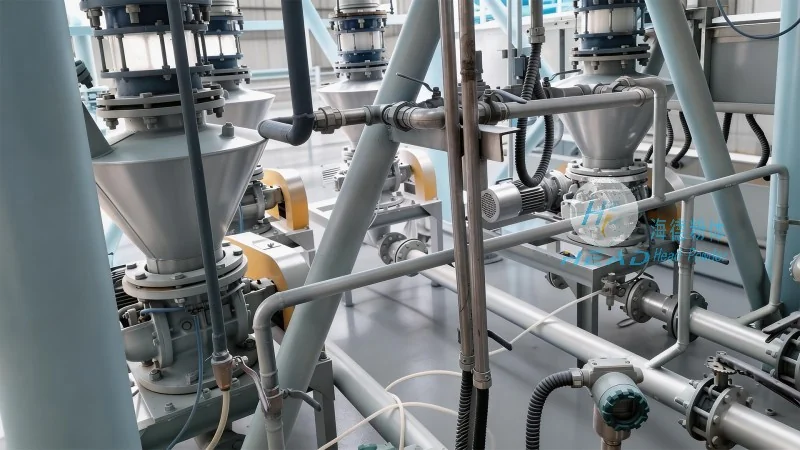
Understanding the Core Components of Organic Salt Pneumatic Conveying Systems
Organic salt pneumatic conveying systems typically consist of several key components that work in tandem to transport materials. These include the material feed hopper, air supply system (blowers or compressors), conveying pipes, control valves, and discharge equipment. Each component plays a vital role in ensuring smooth material flow and preventing issues such as blockages or material degradation. For instance, the feed hopper must be designed to handle the specific characteristics of organic salts, such as moisture content and particle size distribution, to maintain consistent feeding rates. The air supply system must provide sufficient pressure and volume to overcome friction losses in the pipes and lift the material to the desired height. Proper selection of these components is essential to avoid system inefficiencies and maintenance issues.
System Selection: Dilute vs. Dense Phase Conveying for Organic Salts
Choosing between dilute phase and dense phase pneumatic conveying is a critical decision when designing an organic salt system. Dilute phase systems operate at lower air-to-material ratios, typically using high-velocity air to transport particles through the pipeline. This method is suitable for materials with low to moderate moisture content and relatively small particle sizes. However, for organic salts that may have higher moisture levels or larger particles, dense phase systems may be more appropriate. Dense phase systems use lower air velocities and higher material concentrations, which can reduce wear on equipment and minimize material degradation. The choice between these two approaches depends on factors such as the material's physical properties, the distance to be conveyed, and the required discharge characteristics. Shandong HeadPowder Engineering Co., Ltd., a leading provider of pneumatic conveying solutions, offers expert guidance in selecting the most suitable system type for organic salt applications.
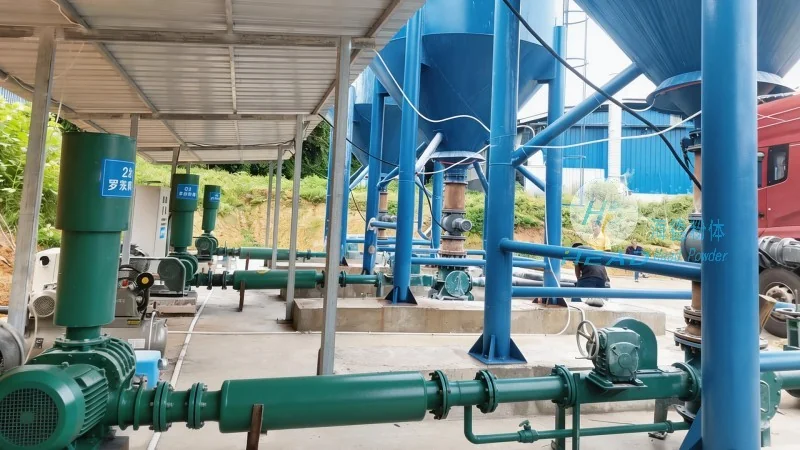
Design Considerations for Pipe Sizing and Layout
The layout and sizing of the conveying pipes are critical factors that impact the performance and efficiency of an organic salt pneumatic conveying system. Proper pipe sizing ensures that the system operates at optimal air velocities, minimizing pressure losses and energy consumption. The pipe diameter is typically determined based on the material's particle size, flow rate, and the desired conveying velocity. For example, larger particles may require larger pipe diameters to prevent blockages and maintain smooth flow. The layout of the system, including the number of bends, vertical lifts, and horizontal runs, also affects the system's performance. Excessive bends or vertical lifts can increase pressure losses, requiring more powerful air supply systems. Shandong HeadPowder Engineering Co., Ltd. emphasizes the importance of thorough system analysis during the design phase to optimize pipe layout and minimize operational costs.
Material Handling and Equipment Selection for Organic Salts
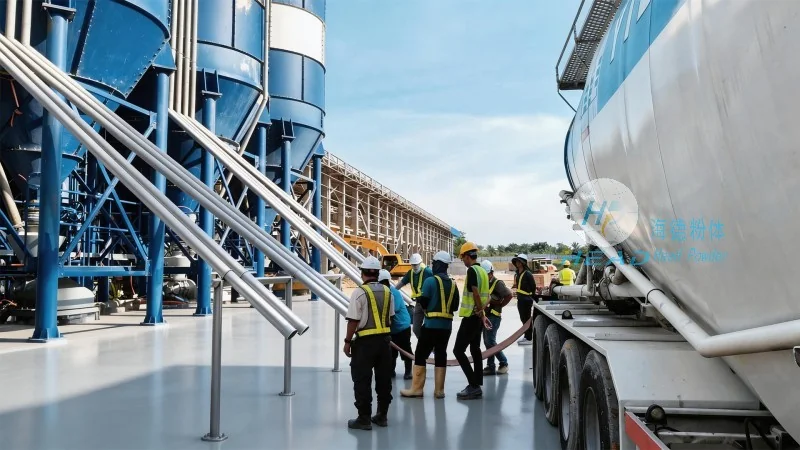
Handling organic salts requires specialized equipment to prevent material degradation and ensure consistent performance. The feed hopper and feeder must be designed to handle the material's characteristics, such as moisture content and flowability. For example, if the organic salts are prone to caking or bridging, the hopper may need to incorporate features like agitators or vibrators to maintain material flow. The discharge equipment, such as rotary valves or star feeders, must be selected to handle the material's particle size and flow characteristics without causing blockages or material degradation. Additionally, the air supply system must be equipped with appropriate filters and moisture separators to prevent contamination of the organic salts and ensure the longevity of system components. Headpowder, the professional team behind Shandong HeadPowder Engineering Co., Ltd., provides customized equipment solutions tailored to the specific needs of organic salt applications.
Control Systems and Automation for Efficient Operation
Implementing advanced control systems and automation is essential for optimizing the performance of organic salt pneumatic conveying systems. These systems allow for real-time monitoring of key parameters, such as pressure, flow rate, and material level, enabling operators to make adjustments quickly and efficiently. Automation can also help reduce human error and improve system reliability. For instance, automated control systems can adjust the air supply pressure based on the material feed rate, ensuring consistent conveying performance. Additionally, sensors and alarms can be integrated into the system to detect potential issues, such as blockages or pressure drops, and alert operators before they become major problems. Shandong HeadPowder Engineering Co., Ltd. offers comprehensive automation solutions that enhance the efficiency and safety of organic salt pneumatic conveying systems.
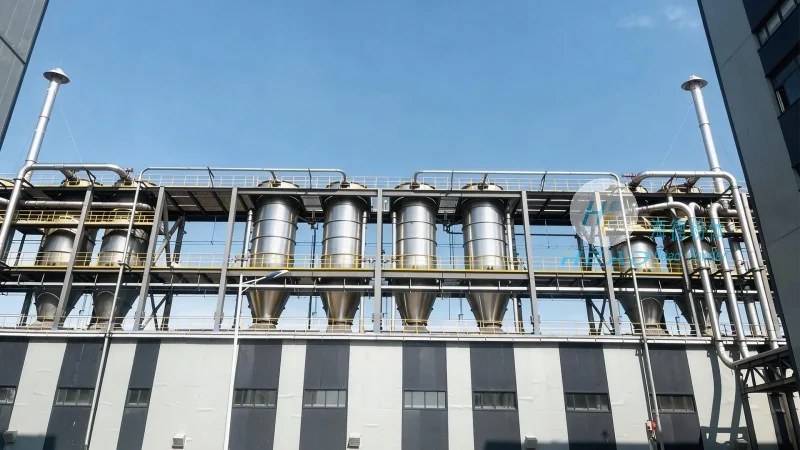
Installation and Commissioning Best Practices
The installation and commissioning process of an organic salt pneumatic conveying system requires careful planning and execution to ensure optimal performance. Proper installation involves aligning the components correctly, ensuring proper sealing to prevent air leaks, and verifying the system's functionality before material handling begins. Commissioning typically involves testing the system under various operating conditions to identify and resolve any issues. For example, the system may be tested with a small amount of material to verify the flow rates and pressure losses. Any adjustments to the system, such as pipe sizing or component placement, are made during this phase to optimize performance. Headpowder, as part of Shandong HeadPowder Engineering Co., Ltd., provides professional installation and commissioning services to ensure that the system meets the client's requirements and operates efficiently from day one.

 Shandong Headpowder Engineering Co., Ltd.
 156-6277-7102(Quản lý Trương)
  0531-83386006
  Thành phố Tế Nam, Tỉnh Sơn Đông, Trung Quốc
Điện thoại
WeChatTư vấn
Lên đầu