Với hơn 10 năm kinh nghiệm về vận chuyển khí nén, Headpowder Sơn Đông cung cấp hệ thống, thiết bị và quạt gió toàn chuỗi, đảm nhận các dự án kỹ thuật bột trọn gói trên toàn quốc.
When it comes to handling calcium hydroxide, a reliable and efficient pneumatic conveying system is essential for industrial applications. This article provides a comprehensive guide on designing a well-structured calcium hydroxide pneumatic conveying system, ensuring optimal performance, safety, and cost-effectiveness. The following sections will explore key considerations, system components, and best practices to help you create a robust solution tailored to your specific needs.
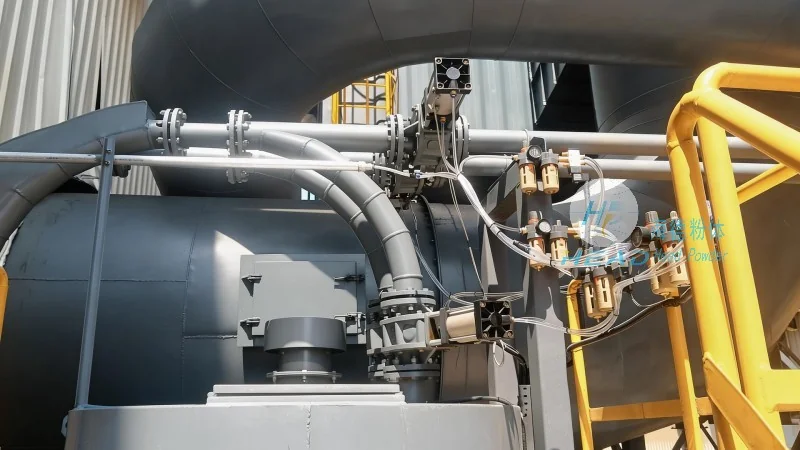
Understanding the Core Requirements for Calcium Hydroxide Pneumatic Conveying
Before diving into the design process, it's crucial to understand the unique properties of calcium hydroxide and the operational demands of your facility. Calcium hydroxide, commonly known as slaked lime, is a fine, powdery material that can be challenging to handle due to its hygroscopic nature and potential for dust generation. A well-designed pneumatic conveying system must address these challenges while maintaining the material's integrity and ensuring safe transport from storage to processing units. At Shandong HeadPowder Engineering Co., Ltd., we specialize in creating customized solutions that meet these specific requirements, leveraging our expertise in material handling and industrial engineering.
Key Design Factors for an Efficient Pneumatic Conveying System
Several critical factors must be considered when designing a calcium hydroxide pneumatic conveying system. These include the material's flow characteristics, the system's capacity requirements, the distance and layout of the conveying route, and the need for dust control and environmental compliance. The choice of conveying method—whether positive pressure, negative pressure, or a combination—depends on the specific application and operational constraints. For calcium hydroxide, positive pressure systems are often preferred as they provide better control over material flow and reduce the risk of dust exposure. The system design must also account for the material's density, particle size distribution, and potential for caking or agglomeration, which can impact the conveying efficiency and system longevity.
System Components and Their Roles in Calcium Hydroxide Conveying
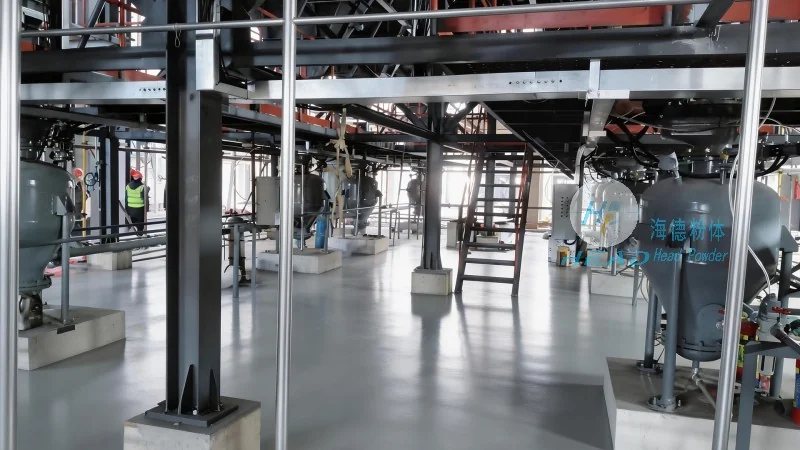
A pneumatic conveying system for calcium hydroxide typically consists of several key components, each playing a vital role in the overall operation. The primary components include a material feeder, a conveying line (usually made of stainless steel or other corrosion-resistant materials), a dust collector or filter system, and a receiver or destination hopper. The material feeder is responsible for accurately metering the calcium hydroxide and introducing it into the conveying line at a consistent rate. This component must be designed to handle the material's flow properties and prevent blockages or uneven feeding. The conveying line is the backbone of the system, transporting the material from the feeder to the destination. It must be sized appropriately to handle the material's velocity and pressure requirements, minimizing pressure losses and ensuring smooth flow. The dust collector or filter system is essential for capturing any airborne particles, protecting personnel and equipment from dust exposure and maintaining air quality. Finally, the receiver or destination hopper stores the conveyed calcium hydroxide, ensuring a steady supply to downstream processes. Each component must be selected and configured to work in harmony, optimizing the system's performance and reliability.
Material Handling Considerations for Calcium Hydroxide
Handling calcium hydroxide requires special attention due to its chemical and physical properties. The material is hygroscopic, meaning it absorbs moisture from the air, which can lead to caking or clumping over time. This can affect the material's flow characteristics and increase the risk of blockages in the conveying system. To mitigate this, the system design should include features such as moisture control, temperature regulation, and anti-caking agents if necessary. Additionally, calcium hydroxide is a fine powder that can generate significant dust during handling, posing health and safety risks. The system must incorporate effective dust control measures, such as sealed feeders, proper ventilation, and high-efficiency filters, to minimize dust emissions and comply with environmental regulations. At HeadPowder, we prioritize the safety and efficiency of our systems, ensuring that all components are designed to handle the unique challenges of calcium hydroxide while maintaining optimal performance.
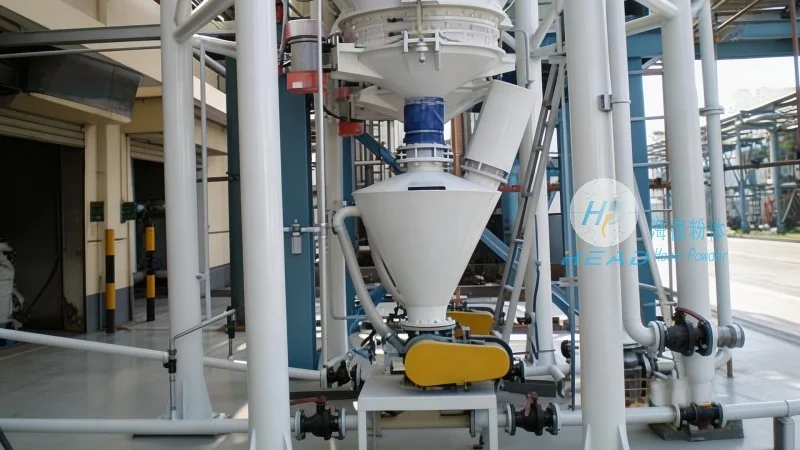
System Integration and Customization
Every industrial facility has unique layout, capacity, and operational requirements, making a one-size-fits-all solution impractical. A successful calcium hydroxide pneumatic conveying system requires careful integration with existing infrastructure and processes. This involves assessing the facility's layout, identifying the optimal location for the feeder, receiver, and dust collector, and ensuring that the system can be easily integrated with downstream equipment such as mixers, reactors, or storage tanks. Customization is key to achieving the best results. Our team at Shandong HeadPowder Engineering Co., Ltd. works closely with clients to understand their specific needs and design a system that meets their exact requirements. We consider factors such as the distance between the storage and processing areas, the number of destinations, and the required throughput to create a tailored solution that maximizes efficiency and minimizes downtime. By focusing on customization, we ensure that the system not only meets but exceeds the client's expectations, providing long-term value and reliability.
Installation, Commissioning, and Maintenance
The successful implementation of a calcium hydroxide pneumatic conveying system involves careful planning and execution. Installation must be carried out by experienced professionals who understand the system's components and operational requirements. Commissioning involves testing the system to ensure all components are functioning correctly and that the material is being conveyed as intended. This includes checking for proper pressure, flow rates, and dust control. Regular maintenance is crucial to ensure the system's long-term performance and reliability. This includes routine inspections of the feeder, conveying line, and dust collector, as well as cleaning and replacement of filters as needed. At HeadPowder, we provide comprehensive support throughout the system's lifecycle, from installation to ongoing maintenance, ensuring that our clients receive the best possible service and support. Our team of experts is available to assist with any issues that may arise, providing timely solutions to minimize downtime and maximize system uptime.

 Shandong Headpowder Engineering Co., Ltd.
 156-6277-7102(Quản lý Trương)
  0531-83386006
  Thành phố Tế Nam, Tỉnh Sơn Đông, Trung Quốc
Điện thoại
WeChatTư vấn
Lên đầu