Với hơn 10 năm kinh nghiệm về vận chuyển khí nén, Headpowder Sơn Đông cung cấp hệ thống, thiết bị và quạt gió toàn chuỗi, đảm nhận các dự án kỹ thuật bột trọn gói trên toàn quốc.
Designing an efficient and reliable PP (polypropylene) pneumatic conveying system requires careful consideration of multiple factors to ensure optimal performance, safety, and cost-effectiveness. As a professional in the field, understanding the key components and design principles is crucial for achieving a successful system. This article will explore the essential aspects of designing a PP pneumatic conveying system, providing insights into the technical considerations and practical steps involved.
Understanding the Core Components of a PP Pneumatic Conveying System
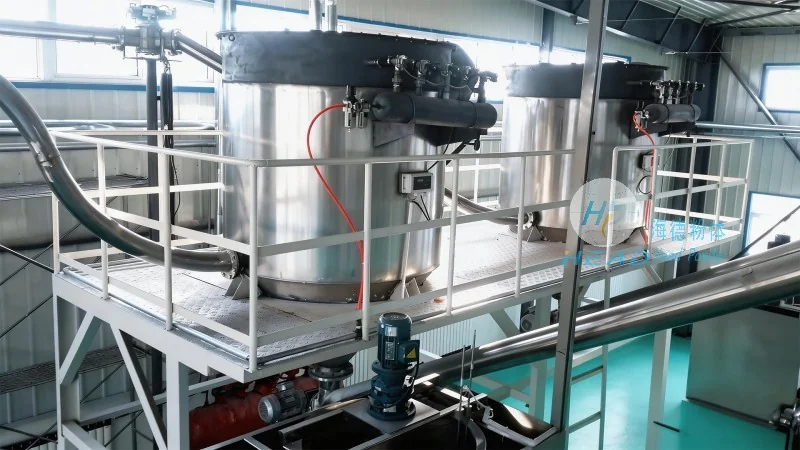
A PP pneumatic conveying system typically consists of several key components, each playing a vital role in the overall operation. The primary elements include the material feed hopper, the conveying line (piping), the air source (blower or compressor), the control system, and the discharge equipment. Each component must be carefully selected and integrated to ensure smooth material transport from the source to the destination. The feed hopper is responsible for storing and feeding the PP material into the system, while the conveying line transports the material using air pressure. The air source provides the necessary airflow and pressure to move the material through the system, and the control system regulates the operation to maintain consistent performance. The discharge equipment then collects the material at the end of the conveying line.
Choosing the Right Pneumatic Conveying System Type for PP Material
When designing a PP pneumatic conveying system, selecting the appropriate system type is critical. There are primarily two types of pneumatic conveying systems: pressure and vacuum. Pressure systems use positive pressure to push the material through the conveying line, while vacuum systems use negative pressure to pull the material. For PP material, which is often abrasive and can be sensitive to pressure changes, a pressure system is generally preferred as it offers better control and reduces the risk of material degradation. The choice of system type also depends on the distance, height, and layout of the conveying route. For short distances and low heights, a pressure system with a positive displacement blower is often sufficient. For longer distances or higher elevations, a more powerful system with a centrifugal blower may be required. Additionally, the system should be designed to handle the specific characteristics of PP, such as its density, flowability, and potential for dust generation.
Designing the Conveying Line and Pipe Sizing for PP Material
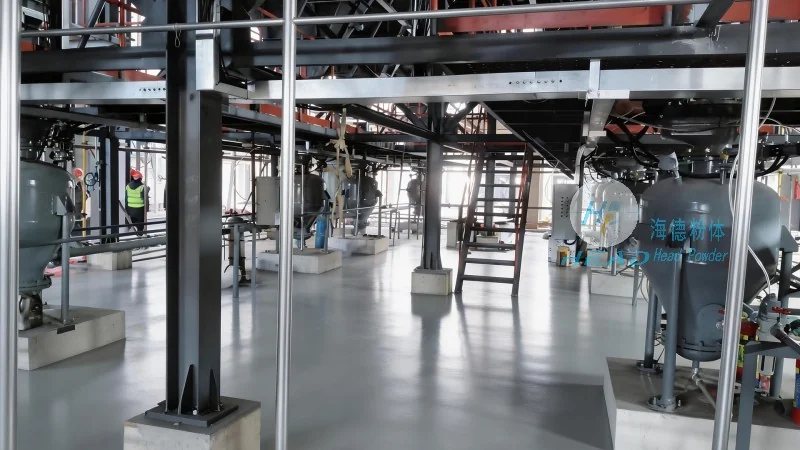
The design of the conveying line is a critical factor in the performance of a PP pneumatic conveying system. The pipe size and material must be selected to accommodate the flow rate and pressure requirements of the system. For PP material, which can be abrasive and generate dust, the conveying line should be made of durable materials such as stainless steel or high-grade plastic to prevent wear and corrosion. The pipe diameter is typically determined based on the material's bulk density, flow rate, and the required air velocity. A higher air velocity can help reduce the risk of material clogging but may increase energy consumption. The system designer must balance these factors to achieve an efficient and cost-effective solution. Additionally, the conveying line should be designed with appropriate bends and elbows to minimize pressure losses and ensure smooth material flow. The use of smooth, rounded bends and elbows can help reduce friction and prevent material buildup, which can lead to system inefficiencies or failures.
Selecting the Appropriate Air Source and Control System
The air source is a key component of any pneumatic conveying system, providing the necessary airflow and pressure to move the material. For PP systems, a positive displacement blower is often preferred due to its ability to maintain consistent pressure and airflow, even under varying load conditions. The blower's capacity and pressure rating must be matched to the system's requirements to ensure reliable operation. The control system is responsible for regulating the operation of the blower and other components, such as the feed hopper and discharge equipment. It should be designed to provide precise control over the airflow and pressure, allowing for adjustments based on the material's characteristics and system performance. The control system should also include safety features to prevent overpressure or underpressure conditions, which can damage equipment or cause material spillage. Additionally, the system should be equipped with monitoring and alarm features to detect any issues and alert operators in real-time.
Ensuring Safety and Compliance in PP Pneumatic Conveying System Design
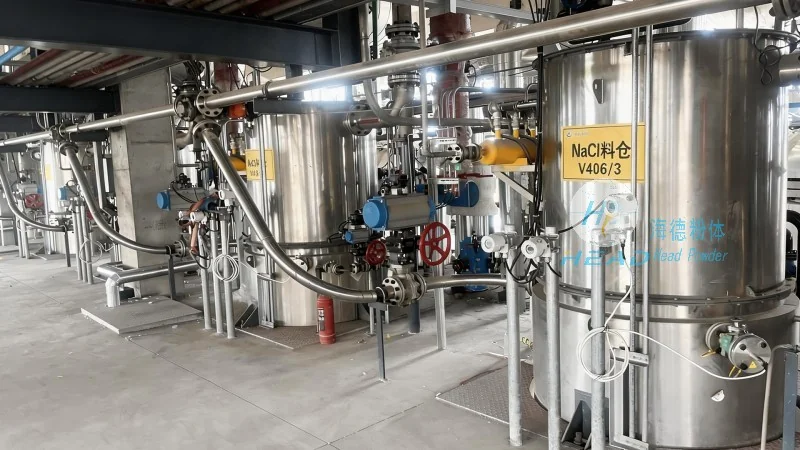
When designing a PP pneumatic conveying system, safety is a top priority. The system must be designed to comply with relevant safety standards and regulations, such as those from the Occupational Safety and Health Administration (OSHA) or the International Organization for Standardization (ISO). The design should include features to prevent dust explosions, such as explosion-proof components and proper ventilation. The system should also be equipped with safety valves and pressure relief devices to protect against overpressure. Additionally, the system should be designed to minimize the risk of material spillage or leakage, which can cause environmental hazards or product contamination. The use of proper sealing and connection methods is essential to ensure the system operates safely and efficiently. The design should also consider the potential for material buildup and clogging, which can lead to system failures or safety hazards. Regular maintenance and inspection of the system are also crucial to ensure ongoing safety and performance.
Optimizing Energy Efficiency in PP Pneumatic Conveying System Design
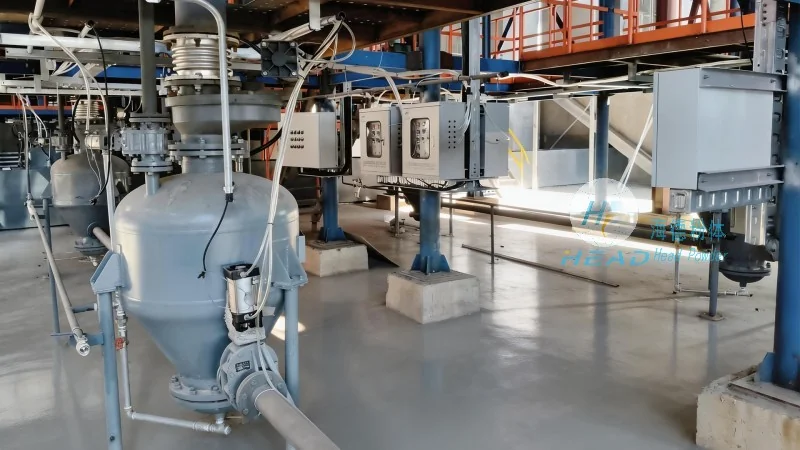
Energy efficiency is an important consideration in the design of any pneumatic conveying system, as it directly impacts operational costs and environmental impact. The system designer should aim to minimize energy consumption while maintaining optimal performance. This can be achieved by selecting the appropriate air source and control system, as well as optimizing the conveying line design. The use of high-efficiency blowers and control systems can significantly reduce energy consumption. Additionally, the system should be designed to minimize pressure losses, such as by using smooth pipes and avoiding unnecessary bends or elbows. The use of variable frequency drives (VFDs) can also help optimize energy use by adjusting the blower speed based on the system's load. Regular maintenance and monitoring of the system can also help identify and address energy inefficiencies, such as air leaks or inefficient operation. By optimizing energy efficiency, the system can operate more cost-effectively and with a lower environmental footprint.
Conclusion: Designing a Reliable PP Pneumatic Conveying System
Designing a reasonable PP pneumatic conveying system requires a comprehensive approach that considers multiple factors, including the system components, material characteristics, and operational requirements. By carefully selecting the appropriate system type, conveying line design, air source, and control system, and ensuring safety and energy efficiency, a reliable and efficient system can be achieved. It is important to work with experienced professionals and use high-quality components to ensure the system operates as intended. The design process should also consider the long-term maintenance and operational costs to ensure the system remains cost-effective over its lifespan. By following these guidelines, businesses can design a PP pneumatic conveying system that meets their specific needs and provides reliable material transport for years to come.

 Shandong Headpowder Engineering Co., Ltd.
 156-6277-7102(Quản lý Trương)
  0531-83386006
  Thành phố Tế Nam, Tỉnh Sơn Đông, Trung Quốc
Điện thoại
WeChatTư vấn
Lên đầu