Với hơn 10 năm kinh nghiệm về vận chuyển khí nén, Headpowder Sơn Đông cung cấp hệ thống, thiết bị và quạt gió toàn chuỗi, đảm nhận các dự án kỹ thuật bột trọn gói trên toàn quốc.
Carbon coke, a critical raw material in the steel industry, requires efficient and reliable transportation from production sites to processing facilities. The choice of conveying method significantly impacts operational efficiency, material quality, and overall production costs. Among the various options available, pneumatic conveying stands out as a preferred solution for carbon coke due to its ability to handle fine particles, minimize dust emissions, and maintain material integrity. This article explores common carbon coke particle conveying methods, with a focus on pneumatic conveying systems, and highlights the expertise of Shandong HeadPowder Engineering Co., Ltd. in providing tailored solutions for industrial applications.
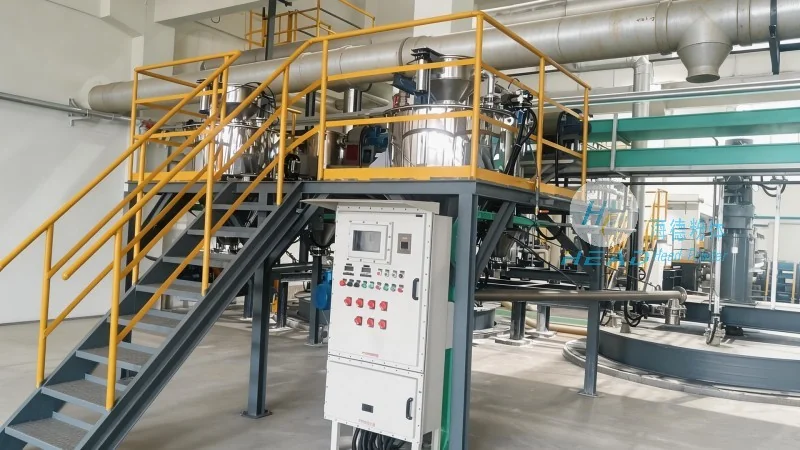
Understanding Pneumatic Conveying for Carbon Coke
Pneumatic conveying, also known as gas-solid flow, is a method that uses compressed air or other gases to transport solid particles through a pipeline. For carbon coke, which typically consists of small, irregularly shaped particles, this technique offers several advantages over traditional mechanical methods like belt conveyors or screw conveyors. One of the primary benefits is the ability to handle fine particles without clogging or degradation, as the air flow maintains particle movement and prevents agglomeration. Additionally, pneumatic systems can be designed to operate in both positive and negative pressure modes, allowing for flexibility in system layout and material handling requirements.
Key Components of a Carbon Coke Pneumatic Conveying System
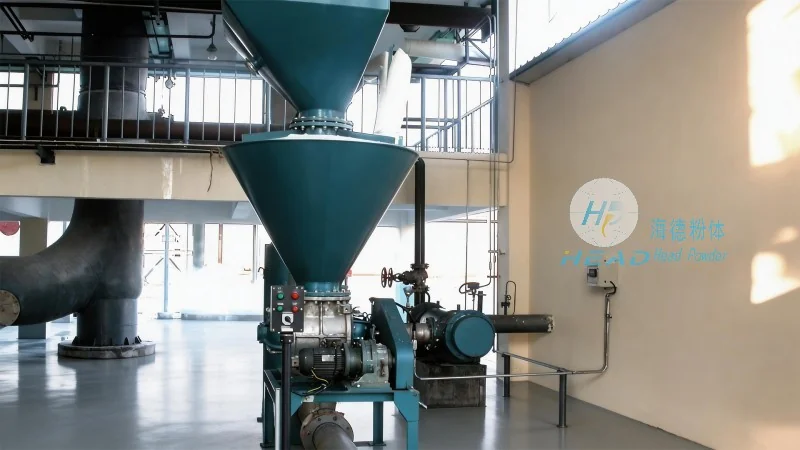
A typical carbon coke pneumatic conveying system comprises several essential components that work in tandem to ensure efficient operation. The core of the system is the air compressor, which generates the necessary pressure to move particles through the pipeline. Depending on the system design, either positive pressure (where air is pushed through the system) or negative pressure (where air is drawn out) can be employed. Positive pressure systems are often preferred for long-distance or multi-point delivery, as they provide consistent flow and can handle larger particle sizes. Negative pressure systems, on the other hand, are suitable for applications requiring dust control and material recovery from the environment.
Another critical component is the conveying pipeline, which is typically made of stainless steel or other corrosion-resistant materials to withstand the abrasive nature of carbon coke particles. The pipeline design, including bends, elbows, and straight sections, is carefully engineered to minimize pressure drop and prevent particle deposition. To ensure smooth operation, the system may include inlet and outlet devices, such as rotary valves or feeders, which control the flow of carbon coke into the pipeline and discharge it at the receiving end. These devices are designed to handle the specific characteristics of carbon coke, including its density and flowability.
The system also incorporates separation and filtration equipment to remove air from the conveyed material and collect any fines that may have escaped. This is crucial for maintaining material purity and preventing dust contamination in downstream processes. Separators, such as cyclones or bag filters, are commonly used in carbon coke applications to achieve high efficiency in particle separation. Additionally, pressure regulators and control valves are integrated to manage air pressure and flow rates, ensuring optimal performance and preventing system overloading.
Advantages of Pneumatic Conveying for Carbon Coke
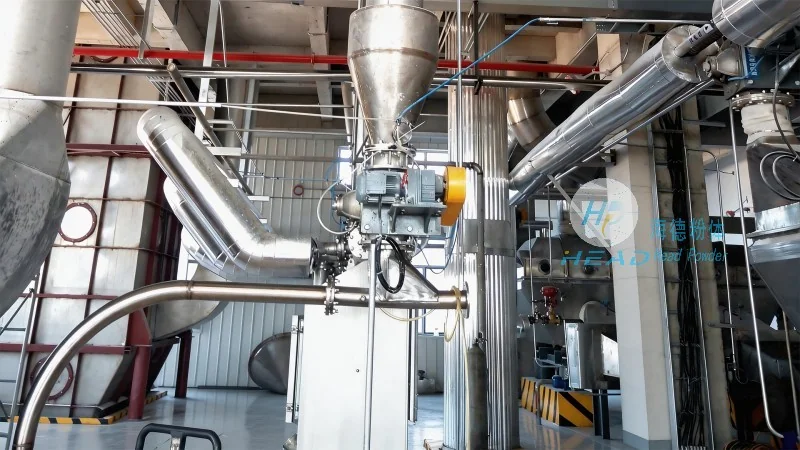
Compared to traditional mechanical conveying methods, pneumatic systems offer several key advantages for carbon coke handling. First, they provide a dust-free environment, which is essential for maintaining material quality and protecting equipment from corrosion. Unlike belt or screw conveyors, which can generate significant dust and require additional dust collection systems, pneumatic conveying minimizes airborne particles, reducing the risk of contamination and improving workplace safety. Second, pneumatic systems are highly flexible in terms of layout and can be easily adapted to existing plant structures. This allows for the integration of new conveying lines without major structural modifications, making them a cost-effective solution for retrofitting or expanding existing facilities.
Third, pneumatic conveying systems can handle a wide range of particle sizes and shapes, including fine coke particles that are difficult to transport using mechanical methods. The air flow in the pipeline maintains the movement of particles, preventing clogging and ensuring consistent material flow. This is particularly important for carbon coke, which often contains a mixture of fine and coarse particles that require uniform transportation to avoid process inefficiencies. Fourth, the system can be designed to operate in both positive and negative pressure modes, providing flexibility in system design and material handling. Positive pressure systems are ideal for long-distance transport, while negative pressure systems are suitable for applications requiring dust control and material recovery from the environment.

 Shandong Headpowder Engineering Co., Ltd.
 156-6277-7102(Quản lý Trương)
  0531-83386006
  Thành phố Tế Nam, Tỉnh Sơn Đông, Trung Quốc
Điện thoại
WeChatTư vấn
Lên đầu