Với hơn 10 năm kinh nghiệm về vận chuyển khí nén, Headpowder Sơn Đông cung cấp hệ thống, thiết bị và quạt gió toàn chuỗi, đảm nhận các dự án kỹ thuật bột trọn gói trên toàn quốc.
When it comes to transporting sulfate alum, selecting the right method is crucial for ensuring efficiency, safety, and cost-effectiveness in industrial operations. Sulfate alum, a widely used chemical in water treatment and other industrial processes, requires reliable and efficient transport solutions to move it from storage to processing units. This article explores common sulfate alum conveying methods, with a particular focus on pneumatic conveying, and highlights the advantages and considerations associated with each approach.
Understanding Sulfate Alum and Its Transport Requirements
Sulfate alum, also known as aluminum sulfate, is a white crystalline solid that is hygroscopic and can be challenging to handle due to its tendency to absorb moisture from the air. Its density and particle size distribution vary depending on the manufacturing process, which directly impacts the choice of conveying method. Effective transport must consider factors such as material flow rate, distance, and the need to minimize dust generation and product degradation. These requirements make the selection of an appropriate conveying system a critical decision for industrial facilities.
Common Sulfate Alum Conveying Methods
Several methods are commonly employed for transporting sulfate alum, each with its own set of advantages and limitations. The primary options include pneumatic conveying, belt conveyors, screw conveyors, and bucket elevators. Each method is suited to different operational conditions and material characteristics.
Pneumatic Conveying: A Preferred Method for Sulfate Alum
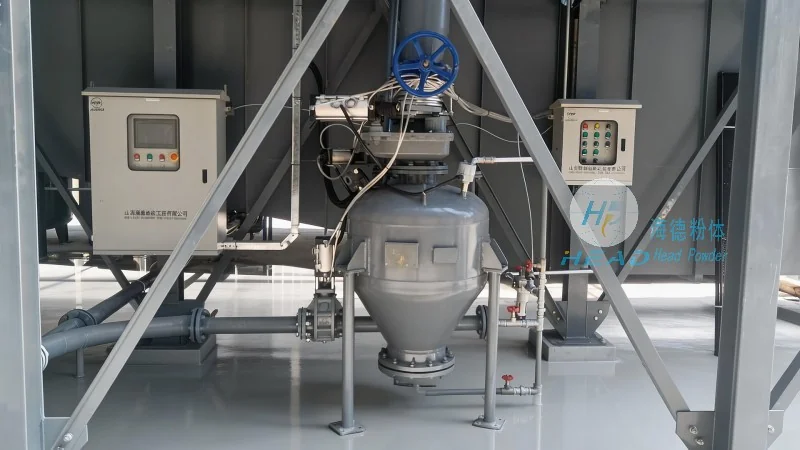
Pneumatic conveying stands out as a highly effective and versatile method for transporting sulfate alum. This technique involves the use of air or other gases to move the material through a pipeline system. There are two main types of pneumatic conveying: pressure and vacuum systems. Pressure systems use compressed air to push the material forward, while vacuum systems use a vacuum to pull the material into the pipeline. For sulfate alum, pressure pneumatic conveying is often preferred due to its ability to handle fine powders and minimize dust exposure.
One of the key advantages of pneumatic conveying is its ability to transport sulfate alum over long distances with minimal product degradation. The enclosed pipeline system prevents exposure to ambient air, reducing the risk of moisture absorption and caking. Additionally, pneumatic systems can be designed to handle varying flow rates and can be integrated with other processing equipment, such as mixers and reactors, to streamline the production process. The use of headpowder's advanced pneumatic conveying solutions ensures that sulfate alum is transported efficiently and safely, meeting the stringent requirements of modern industrial applications.
Belt Conveyors: A Traditional and Reliable Option
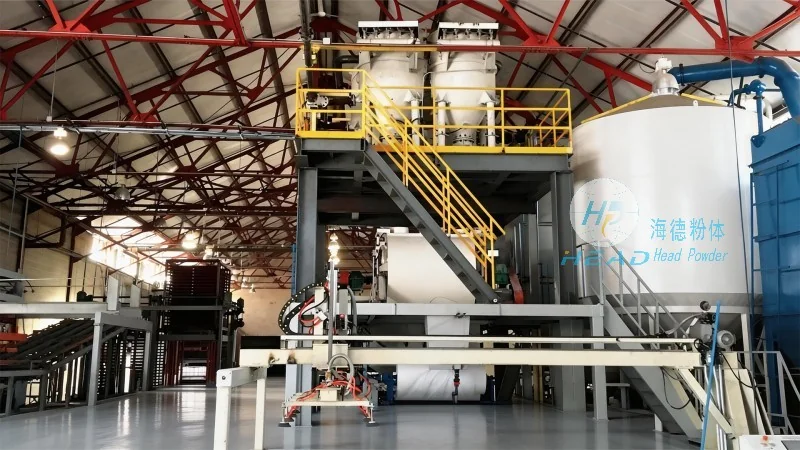
Belt conveyors are a traditional and widely used method for transporting bulk materials, including sulfate alum. This system consists of a continuous belt that moves over rollers or pulleys, carrying the material from one location to another. Belt conveyors are particularly effective for transporting larger, bulkier particles of sulfate alum and can handle high flow rates over moderate distances. They are also relatively simple to install and maintain, making them a cost-effective solution for many industrial facilities.
However, belt conveyors have limitations when it comes to handling fine powders like sulfate alum. The open design of the system can lead to dust generation and product loss, which may not be acceptable in applications where dust control is critical. Additionally, belt conveyors may require more space and maintenance compared to pneumatic systems, particularly in facilities with limited floor space.
Screw Conveyors: A Compact and Low-Profile Solution
Screw conveyors, also known as auger conveyors, are another common method for transporting sulfate alum. This system uses a rotating screw (auger) to move the material along a trough or tube. Screw conveyors are particularly well-suited for handling fine powders and can be designed to operate in a closed system to minimize dust exposure. They are compact and can be installed in confined spaces, making them ideal for facilities with limited vertical or horizontal space.
One of the main advantages of screw conveyors is their ability to handle a wide range of materials, including sulfate alum, without the need for additional equipment. They are also relatively low-cost and easy to maintain, with minimal moving parts that can be easily inspected and replaced. However, screw conveyors may not be suitable for transporting large volumes of material over long distances, as they can experience blockages and wear more quickly than other systems.
Bucket Elevators: Vertical Transport for Sulfate Alum
Bucket elevators are a specialized method for transporting sulfate alum vertically, often used to move material from lower to higher levels in a facility. This system consists of a vertical or inclined conveyor with buckets attached to a chain or belt. The buckets scoop up the material at the bottom and transport it upward, depositing it at the top. Bucket elevators are particularly effective for handling bulk materials and can be designed to handle high flow rates.
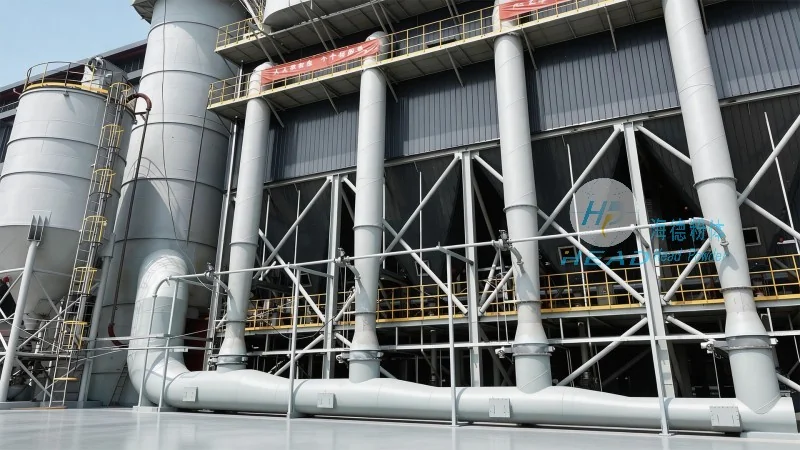
Bucket elevators offer the advantage of vertical transport, which can be more space-efficient than horizontal systems. They are also capable of handling a wide range of materials, including sulfate alum, and can be integrated with other processing equipment. However, bucket elevators may require more maintenance than other systems due to the moving parts and can be more expensive to install, especially for large-scale operations.
Choosing the Right Sulfate Alum Conveying System
The choice of sulfate alum conveying system depends on several factors, including the material characteristics, transport distance, required flow rate, and environmental considerations. For many applications, pneumatic conveying is the preferred choice due to its efficiency and ability to handle fine powders. However, other methods such as belt conveyors and screw conveyors may be more suitable for facilities with specific space constraints or where cost is a primary concern.
When selecting a conveying system, it is essential to consider the specific needs of the operation and the potential impact on product quality and safety. For example, in water treatment applications where sulfate alum is used as a coagulant, minimizing dust exposure and maintaining product purity is critical. In such cases, pneumatic conveying systems with enclosed pipelines and dust collection systems are often the best option.
Conclusion
In conclusion, the selection of an appropriate sulfate alum conveying method is a critical decision for industrial facilities. Pneumatic conveying, with its ability to handle fine powders and minimize product degradation, is often the preferred choice. However, other methods such as belt conveyors, screw conveyors, and bucket elevators may be more suitable for specific operational conditions. By understanding the advantages and limitations of each method, industrial facilities can choose the most effective and efficient conveying system for their needs. Shandong HeadPowder Engineering Co., Ltd., a leading provider of industrial conveying solutions, offers advanced pneumatic conveying systems and other equipment tailored to the specific requirements of sulfate alum transport, ensuring reliable and cost-effective operations for its clients.

 Shandong Headpowder Engineering Co., Ltd.
 156-6277-7102(Quản lý Trương)
  0531-83386006
  Thành phố Tế Nam, Tỉnh Sơn Đông, Trung Quốc
Điện thoại
WeChatTư vấn
Lên đầu