Với hơn 10 năm kinh nghiệm về vận chuyển khí nén, Headpowder Sơn Đông cung cấp hệ thống, thiết bị và quạt gió toàn chuỗi, đảm nhận các dự án kỹ thuật bột trọn gói trên toàn quốc.
Carbon black powder, a critical material in various industrial applications, requires efficient and reliable conveying methods to ensure smooth production processes. The choice of conveying system significantly impacts operational efficiency, material quality, and overall cost-effectiveness. This article explores common carbon black powder conveying methods, with a particular focus on pneumatic conveying systems, which have become increasingly popular due to their versatility and effectiveness in handling fine powders like carbon black.
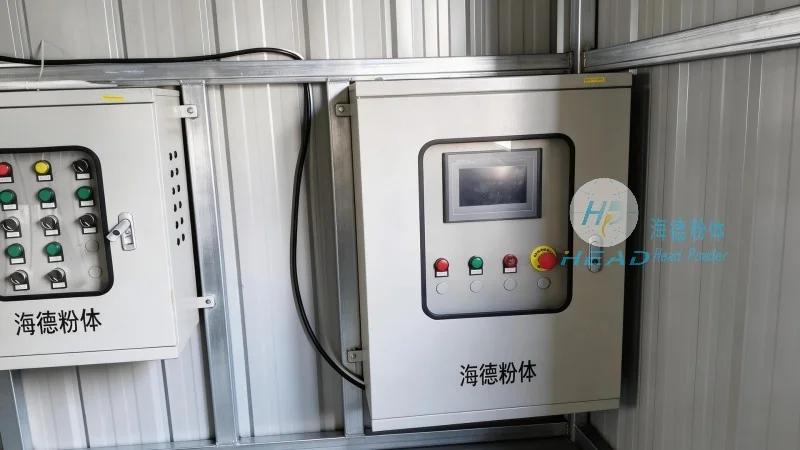
Overview of Conveying Methods for Carbon Black Powder
Conveying carbon black powder involves transporting the material from one location to another within industrial facilities. Several methods are commonly employed, each with its own advantages and limitations. The primary options include mechanical conveying, pneumatic conveying, and gravity-based systems. Understanding these methods helps industries select the most suitable solution for their specific needs.
Pneumatic Conveying Systems: A Detailed Introduction
Pneumatic conveying, also known as air-based conveying, is a widely used method for transporting carbon black powder due to its ability to handle fine particles and minimize material degradation. This system operates by using compressed air to move the powder through a pipeline. There are two main types of pneumatic conveying: dilute-phase and dense-phase. Dilute-phase systems use low air velocities to transport particles in a dispersed state, while dense-phase systems employ higher air velocities to create a slurry-like flow, reducing the risk of particle segregation and blockages.
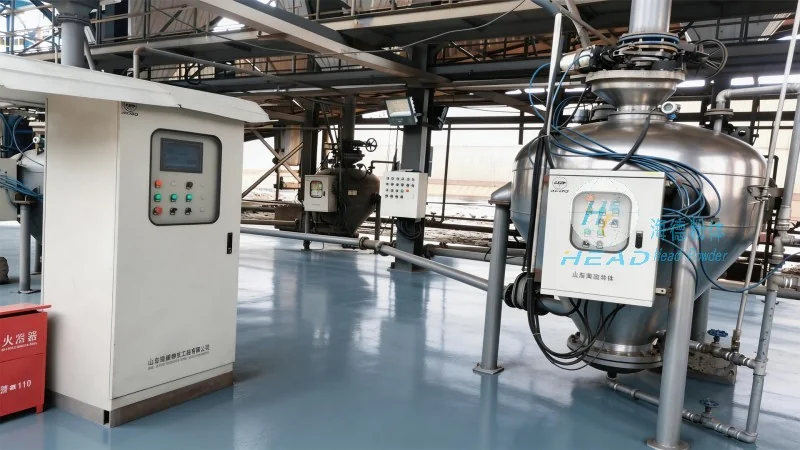
Key Components of Pneumatic Conveying Systems
Effective pneumatic conveying for carbon black powder relies on several key components. These include the material feed system, which ensures consistent and controlled powder intake; the conveying line, which transports the material; and the separation and collection equipment, which returns the air to the system and captures the powder. The selection of these components is crucial for optimizing system performance and maintaining material quality.
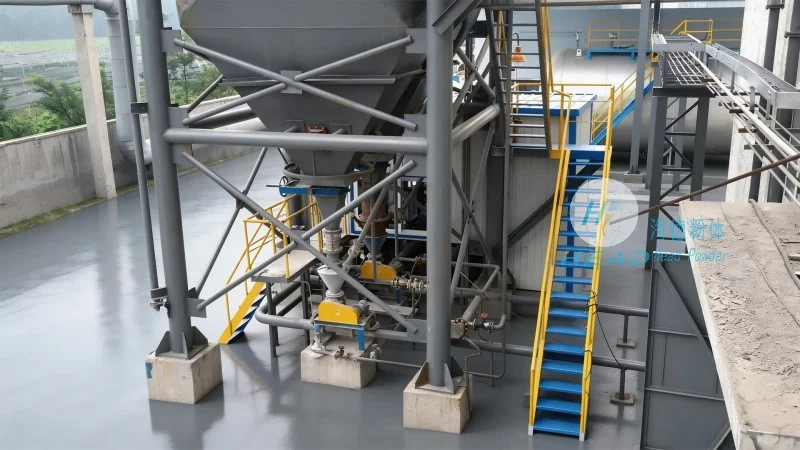
Advantages of Pneumatic Conveying for Carbon Black
There are several advantages to using pneumatic conveying for carbon black powder. Firstly, it offers high efficiency in terms of material transport, as it can move large quantities of powder over long distances with minimal labor. Secondly, it reduces the risk of material contamination and degradation compared to mechanical systems, which may cause particle attrition or mixing with other substances. Additionally, pneumatic systems are flexible and can be easily integrated into existing industrial setups, allowing for scalability and adaptability to changing production needs.
Applications in Industrial Settings
Pneumatic conveying systems are widely used in various industries that handle carbon black powder, including tire manufacturing, rubber production, and pigment manufacturing. In these applications, the system ensures that carbon black is delivered to processing equipment without loss or degradation, maintaining the quality of the final product. The ability to handle fine particles and maintain consistent flow rates makes pneumatic conveying an ideal choice for high-volume production environments.

 Shandong Headpowder Engineering Co., Ltd.
 156-6277-7102(Quản lý Trương)
  0531-83386006
  Thành phố Tế Nam, Tỉnh Sơn Đông, Trung Quốc
Điện thoại
WeChatTư vấn
Lên đầu