Với hơn 10 năm kinh nghiệm về vận chuyển khí nén, Headpowder Sơn Đông cung cấp hệ thống, thiết bị và quạt gió toàn chuỗi, đảm nhận các dự án kỹ thuật bột trọn gói trên toàn quốc.
In the manufacturing process of lithium-ion batteries, the efficient and reliable transportation of positive electrode materials is a critical factor that directly impacts production efficiency and product quality. As a key component in battery production, lithium-ion positive electrode materials require specialized handling methods to ensure their integrity and performance. Among various conveying technologies, pneumatic conveying has emerged as a preferred solution for many manufacturers due to its unique advantages and adaptability to the specific characteristics of these materials. This article will explore the different conveying methods available for lithium-ion battery positive electrode materials and delve into the specific advantages and features of pneumatic conveying, highlighting why it has become a leading choice in the industry.
Common Conveying Methods for Lithium-Ion Battery Positive Electrode Materials
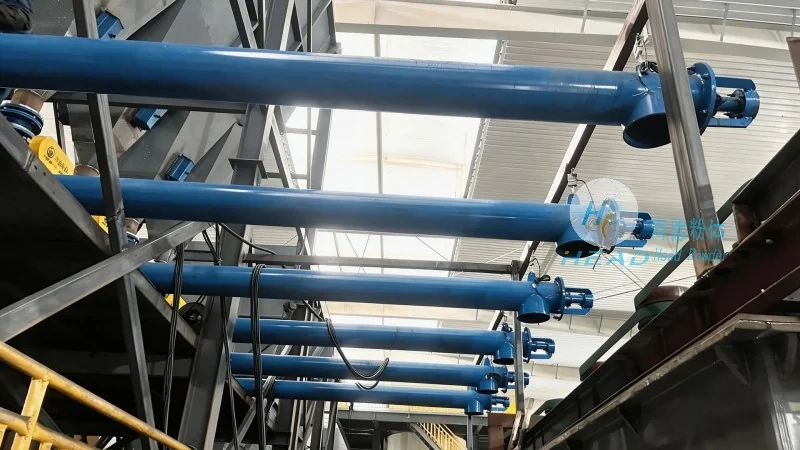
Before discussing the advantages of pneumatic conveying, it is essential to understand the primary methods used for transporting lithium-ion battery positive electrode materials. These methods can be broadly categorized into mechanical and non-mechanical approaches, each with its own set of applications and limitations.
1. Mechanical Conveying Systems: Mechanical conveying involves the use of equipment such as screw conveyors, belt conveyors, and bucket elevators to move materials. While these systems are widely used in various industries, they may not be suitable for lithium-ion positive electrode materials due to their fine particle size and potential for dust generation. Mechanical systems can also cause particle attrition and degradation, which can affect the material's performance in battery applications.
2. Vacuum Conveying: Vacuum conveying uses a vacuum pump to draw materials into a pipeline and transport them to the destination. This method is effective for handling powders and granules but may require additional equipment for material separation and cleaning. Vacuum systems are generally more suitable for smaller-scale operations or for materials that are less sensitive to moisture and contamination.
3. Pneumatic Conveying: Pneumatic conveying, as the name suggests, utilizes compressed air to move materials through a pipeline. This method offers several advantages over mechanical and vacuum systems, particularly for lithium-ion battery positive electrode materials, which are often sensitive to moisture, temperature, and physical damage.
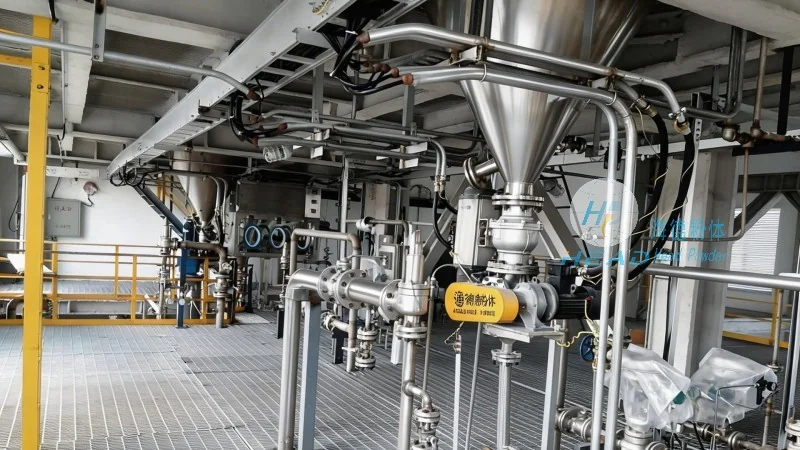
The Advantages of Pneumatic Conveying for Lithium-Ion Battery Positive Electrode Materials
Pneumatic conveying has become the preferred method for transporting lithium-ion battery positive electrode materials due to its ability to handle fine powders and granules while maintaining material integrity. The key advantages of this technology include:
1. Minimal Material Degradation: Unlike mechanical systems that can cause particle attrition, pneumatic conveying uses air pressure to move materials without direct contact, reducing the risk of particle breakage or agglomeration. This is crucial for maintaining the high purity and performance of lithium-ion positive electrode materials, which are sensitive to physical changes.
2. Effective Dust Control: Pneumatic systems are designed to contain and control dust, which is a significant concern in battery material handling. By using sealed pipelines and filtration systems, these systems minimize the release of fine particles into the environment, improving workplace safety and compliance with environmental regulations.
3. Versatility in Material Handling: Pneumatic conveying can handle a wide range of material types, including powders, granules, and even bulk materials. This versatility makes it suitable for various stages of the battery production process, from raw material input to final product packaging.
4. Energy Efficiency and Cost-Effectiveness: Compared to mechanical systems, pneumatic conveying can be more energy-efficient, especially for long-distance transport. The use of compressed air as the primary power source reduces the need for heavy machinery and maintenance, leading to lower operational costs over time.
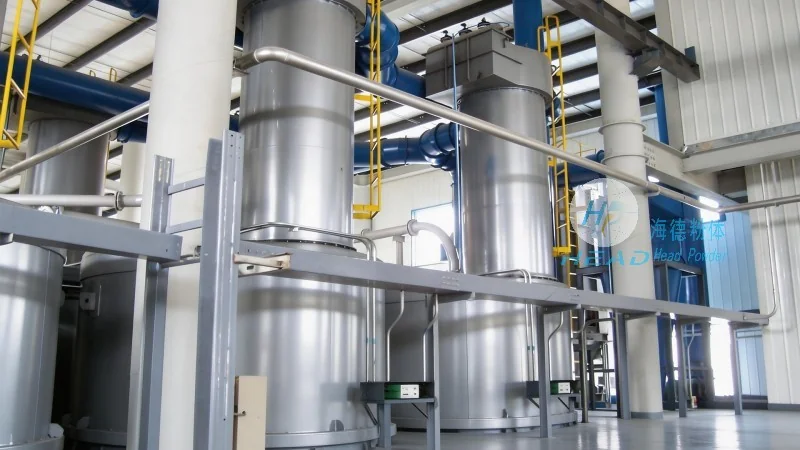
Key Features of Pneumatic Conveying Systems for Lithium-Ion Battery Positive Electrode Materials
In addition to the advantages mentioned above, pneumatic conveying systems for lithium-ion battery positive electrode materials often incorporate specific features to enhance performance and reliability. These features include:
1. Customizable Pipeline Design: Pneumatic systems can be designed with flexible or rigid pipelines, depending on the production layout and material flow requirements. This allows for easy integration into existing manufacturing facilities and adaptation to changing production needs.
2. Advanced Filtration and Cleaning Systems: To maintain material purity and system efficiency, pneumatic conveying systems use high-efficiency filters and cleaning mechanisms. These systems help remove contaminants and prevent clogging, ensuring consistent material flow and reducing downtime.
3. Real-Time Monitoring and Control: Modern pneumatic conveying systems are equipped with sensors and control panels that allow for real-time monitoring of material flow, pressure, and temperature. This enables operators to quickly identify and address any issues, improving overall system performance and reducing the risk of material loss or contamination.
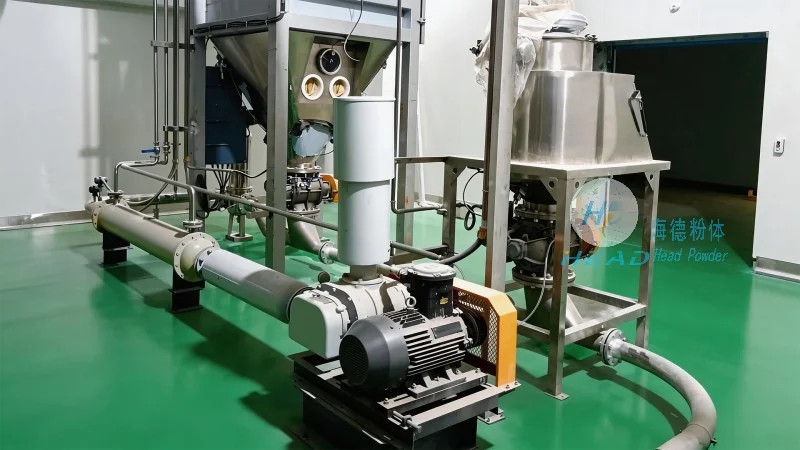
4. Integration with Automation: Pneumatic conveying can be seamlessly integrated with automated production lines, allowing for precise control over material movement and reducing the need for manual intervention. This integration enhances production efficiency and consistency, which are critical in battery manufacturing.
Conclusion: Why Pneumatic Conveying is the Preferred Choice for Lithium-Ion Battery Positive Electrode Materials
When considering the various conveying methods available for lithium-ion battery positive electrode materials, pneumatic conveying stands out as the most effective and reliable solution. Its ability to handle fine powders without degradation, control dust effectively, and adapt to different production requirements makes it an ideal choice for manufacturers seeking to optimize their battery production processes. By investing in advanced pneumatic conveying systems, companies can improve production efficiency, maintain material quality, and reduce operational costs, ultimately enhancing their competitiveness in the lithium-ion battery market.
As a leading provider of engineering solutions for the battery industry, Shandong HeadPowder Engineering Co., Ltd. specializes in designing and manufacturing customized pneumatic conveying systems tailored to the specific needs of lithium-ion battery manufacturers. With years of experience and a commitment to quality, HeadPowder offers innovative solutions that help clients achieve their production goals while ensuring the highest standards of material integrity and safety. Based in Shandong, China, HeadPowder serves clients worldwide, providing reliable and efficient conveying solutions that support the growth of the lithium-ion battery industry.

 Shandong Headpowder Engineering Co., Ltd.
 156-6277-7102(Quản lý Trương)
  0531-83386006
  Thành phố Tế Nam, Tỉnh Sơn Đông, Trung Quốc
Điện thoại
WeChatTư vấn
Lên đầu