Với hơn 10 năm kinh nghiệm về vận chuyển khí nén, Headpowder Sơn Đông cung cấp hệ thống, thiết bị và quạt gió toàn chuỗi, đảm nhận các dự án kỹ thuật bột trọn gói trên toàn quốc.
Fluoride lithium, a critical material in various industrial applications, requires efficient and reliable transport methods to ensure smooth operations. The choice of conveying system significantly impacts process efficiency, safety, and overall cost-effectiveness. Among the available options, pneumatic conveying stands out as a preferred method for handling fluoride lithium due to its unique advantages and operational characteristics. Many companies, such as Shandong HeadPowder Engineering Co., Ltd., based in China, specialize in designing and implementing advanced pneumatic conveying systems tailored to the specific needs of fluoride lithium handling.
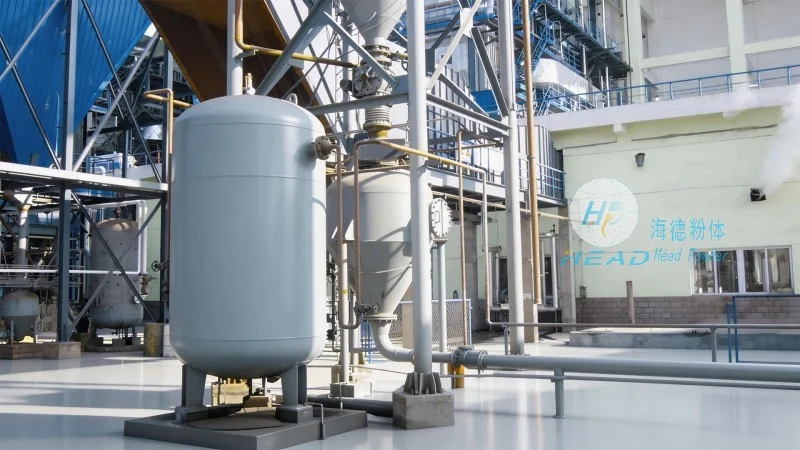
Introduction to Fluoride Lithium and Conveying Challenges
Fluoride lithium, also known as lithium fluoride (LiF), is widely used in nuclear energy, glass manufacturing, and as a flux in metallurgical processes. Its handling demands specialized equipment to manage its physical properties, such as dustiness and potential reactivity. Traditional conveying methods like belt and screw conveyors may not be suitable for fluoride lithium due to the risk of dust generation and material degradation. Therefore, understanding the different transport options and their specific benefits is essential for industries relying on this material.
Common Conveying Methods for Fluoride Lithium
Several methods are employed to transport fluoride lithium, each with its own set of advantages and limitations. The primary options include mechanical conveyors, such as belt and screw conveyors, and pneumatic systems. Mechanical conveyors are often used for bulk materials but may struggle with fine powders like fluoride lithium, leading to increased dust and maintenance issues. In contrast, pneumatic conveying offers a more controlled environment for handling sensitive materials.
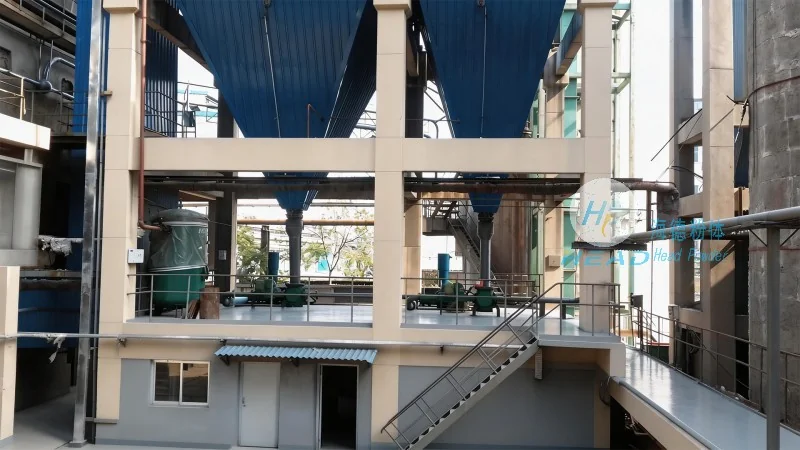
Pneumatic Conveying: A Superior Solution for Fluoride Lithium
Pneumatic conveying involves transporting material using air or other gases under pressure. This method is particularly effective for fluoride lithium because it minimizes direct contact with equipment, reducing the risk of contamination and material degradation. The system typically consists of a hopper, a conveying line, and a receiver, with air moving the material through the pipeline. There are two main types of pneumatic conveying: dilute phase and dense phase, each offering different performance characteristics.
Advantages of Pneumatic Conveying for Fluoride Lithium
One of the key advantages of pneumatic conveying is its ability to handle fine powders efficiently. Unlike mechanical conveyors, pneumatic systems can transport fluoride lithium without the need for high-speed rotation or mechanical contact, which helps preserve the material's integrity. Additionally, pneumatic conveying offers better containment, reducing dust emissions and improving workplace safety. This is crucial for fluoride lithium, as it can be hazardous if inhaled or comes into contact with skin.
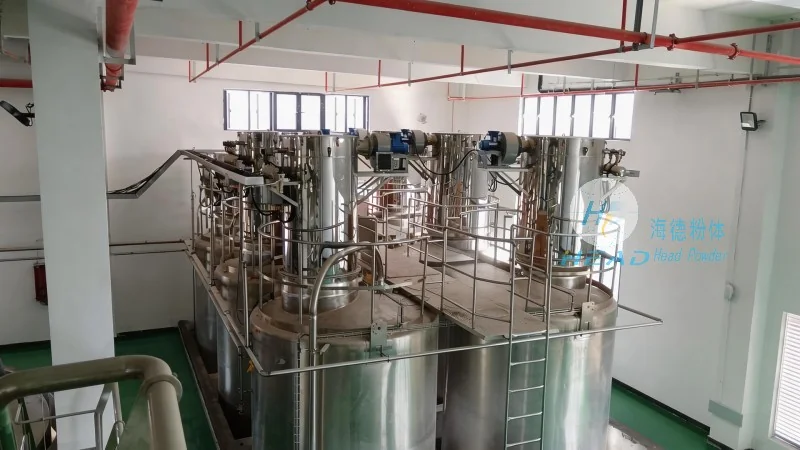
Key Features of Pneumatic Conveying Systems
Modern pneumatic conveying systems for fluoride lithium are designed with several features to enhance performance and reliability. These include adjustable air pressure controls, which allow for precise material flow rates, and specialized hopper designs to minimize material buildup and clogging. The use of high-quality materials, such as stainless steel or corrosion-resistant alloys, ensures durability and resistance to the chemical properties of fluoride lithium. Furthermore, the systems are equipped with filtration and dust collection mechanisms to maintain air quality and comply with environmental regulations.
Operational Considerations for Pneumatic Conveying
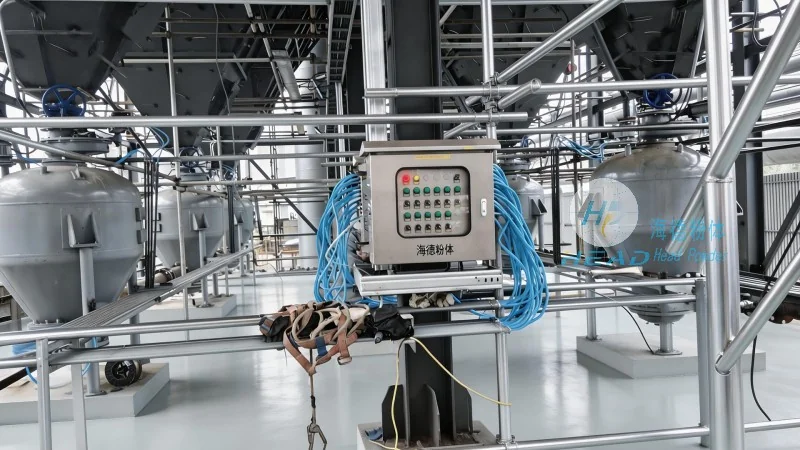
When implementing a pneumatic conveying system for fluoride lithium, several operational factors must be considered. The system's capacity and pressure requirements depend on the material's bulk density, flowability, and the distance to be conveyed. Proper maintenance, including regular cleaning of the conveying line and filter systems, is essential to prevent blockages and ensure consistent performance. Additionally, monitoring air pressure and flow rates in real-time helps optimize the system's efficiency and reduce energy consumption.
Conclusion: Choosing the Right Conveying Method
For industries handling fluoride lithium, selecting the appropriate conveying method is critical to achieving operational efficiency and safety. While mechanical conveyors may be suitable for some applications, pneumatic conveying offers superior control, containment, and material protection. By understanding the advantages and features of pneumatic conveying systems, companies can make informed decisions that enhance their production processes and ensure compliance with safety and environmental standards.

 Shandong Headpowder Engineering Co., Ltd.
 156-6277-7102(Quản lý Trương)
  0531-83386006
  Thành phố Tế Nam, Tỉnh Sơn Đông, Trung Quốc
Điện thoại
WeChatTư vấn
Lên đầu