Với hơn 10 năm kinh nghiệm về vận chuyển khí nén, Headpowder Sơn Đông cung cấp hệ thống, thiết bị và quạt gió toàn chuỗi, đảm nhận các dự án kỹ thuật bột trọn gói trên toàn quốc.
When it comes to handling and transporting PVC powder, selecting the right conveying method is crucial for efficiency, cost-effectiveness, and operational safety. Shandong HeadPowder Engineering Co., Ltd., a leading provider in the field, understands the nuances of different conveying systems. This article provides a detailed comparison of common PVC powder conveying methods, highlighting their advantages and disadvantages to help industrial operators make informed decisions.
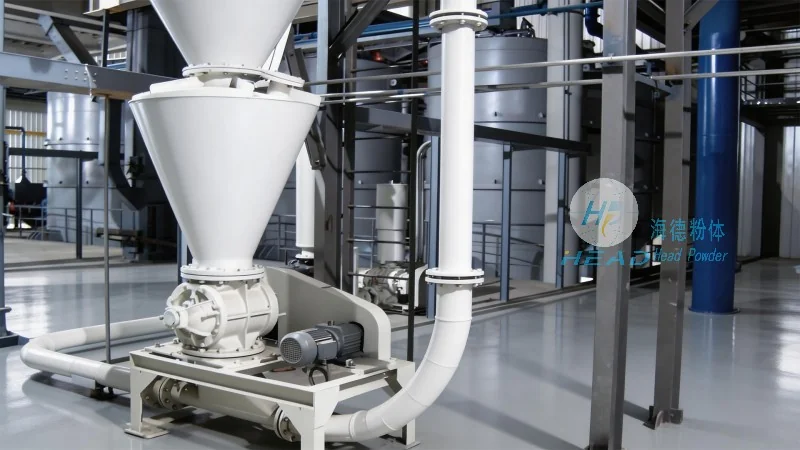
PVC Powder Conveying Methods Overview
PVC powder, due to its fine particle size and potential for static charge, requires specialized equipment to ensure smooth and safe transport. The primary methods used in industrial settings include screw conveyors, pneumatic conveying systems, and belt conveyors. Each method has its own set of benefits and limitations, which are discussed below.
Screw Conveyors: A Traditional Solution for PVC Powder Handling
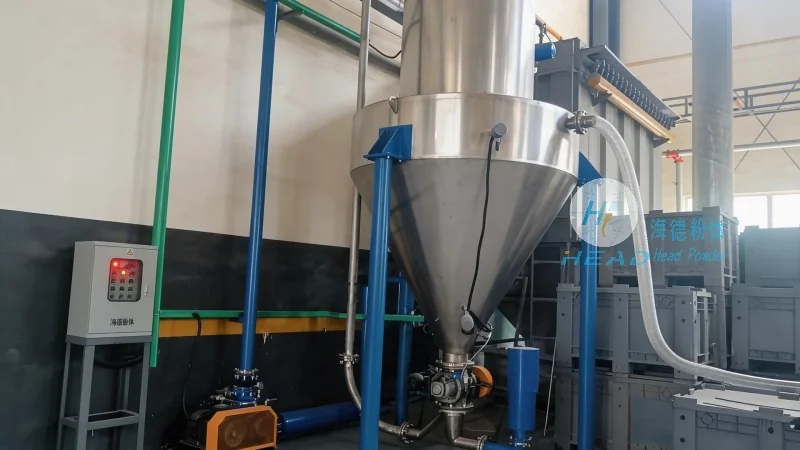
Screw conveyors, also known as auger conveyors, are widely used for PVC powder transport due to their simplicity and reliability. These systems consist of a rotating helical screw inside a trough, which moves material forward through the conveyor. For PVC powder applications, screw conveyors offer several advantages. They are relatively low-cost to install and maintain, making them suitable for smaller-scale operations or where budget constraints are a factor. Additionally, screw conveyors can handle a wide range of particle sizes and can be easily integrated into existing production lines.
However, screw conveyors also have notable disadvantages. One of the main drawbacks is their susceptibility to clogging, especially with fine, cohesive powders like PVC. The rotating screw can trap particles, leading to reduced throughput and increased maintenance needs. Another limitation is the potential for material degradation due to friction and heat generated during operation. This can affect the quality of the PVC powder, particularly if it is sensitive to temperature changes. Furthermore, screw conveyors are not ideal for long-distance transport, as the material may lose momentum and require additional equipment for extended runs.
Pneumatic Conveying Systems: Efficient and Flexible for PVC Powder Transport
Pneumatic conveying systems use air or other gases to transport PVC powder through a network of pipes. These systems are available in both positive and negative pressure configurations, offering flexibility in material handling. Positive pressure systems blow air into the pipe, pushing the powder forward, while negative pressure systems create a vacuum to draw the material through the system.
One of the key advantages of pneumatic conveying is its ability to handle fine powders without the risk of clogging. The air flow helps to keep particles suspended and moving, reducing the likelihood of blockages. This makes pneumatic systems particularly suitable for PVC powder, which is prone to clumping. Additionally, pneumatic conveyors can transport materials over longer distances compared to screw conveyors, making them ideal for large-scale operations or facilities with multiple processing areas.
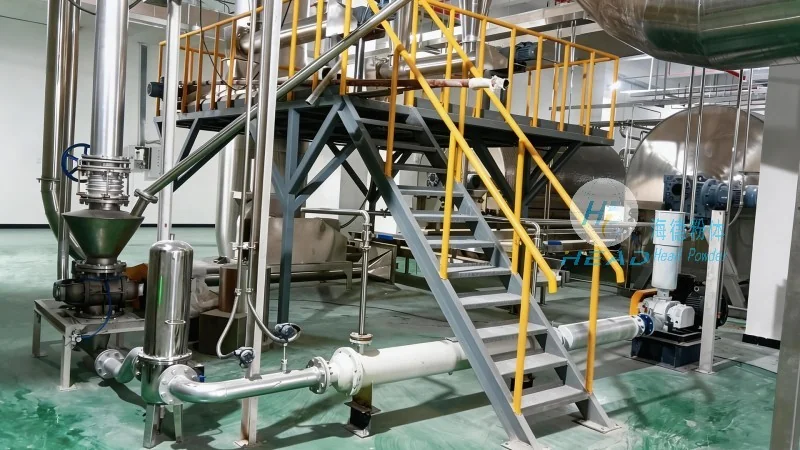
Despite these benefits, pneumatic conveying systems have their own set of challenges. The primary disadvantage is the higher initial cost compared to screw conveyors. The equipment, including air compressors, filters, and control systems, can be expensive to purchase and install. Maintenance is also more complex, as the system requires regular checks of air pressure, filter cleanliness, and pipe integrity to prevent leaks or inefficiencies. Another drawback is the potential for material degradation due to the high velocity of air, which can cause abrasion or attrition of the PVC powder particles. This may affect the final product quality, especially in applications where particle size and uniformity are critical.
Belt Conveyors: High-Capacity Solutions for Bulk PVC Powder Handling
Belt conveyors are commonly used for bulk material transport, including PVC powder, in industrial settings. These systems consist of a continuous belt that moves over rollers or pulleys, carrying the material from one point to another. Belt conveyors are known for their high capacity and ability to handle large volumes of material efficiently.
A major advantage of belt conveyors is their high throughput, making them suitable for high-volume production lines. They can transport PVC powder over long distances with minimal maintenance, as the system is relatively simple and robust. Belt conveyors also offer good material handling flexibility, as they can be adjusted to accommodate different particle sizes and load capacities. This makes them versatile for various industrial applications, from manufacturing to storage and distribution.
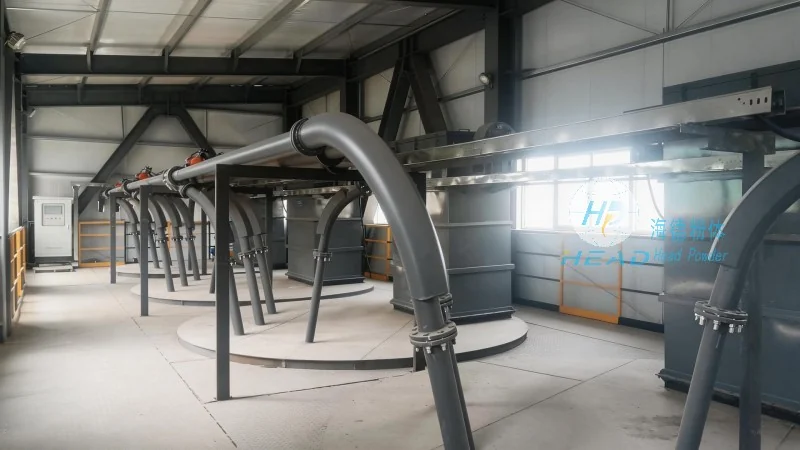
However, belt conveyors have limitations when used with PVC powder. One of the main disadvantages is the risk of material spillage and dust generation, which can lead to safety hazards and environmental concerns. PVC powder is often fine and lightweight, which can easily escape from the belt or fall through gaps in the system. This requires additional containment measures, such as dust collection systems and sealed enclosures, to ensure compliance with safety regulations. Another limitation is the potential for belt wear and tear due to the abrasive nature of PVC powder. Over time, the belt may need to be replaced, increasing maintenance costs. Additionally, belt conveyors are not as effective for fine powders as other systems, as the material may not adhere well to the belt surface, leading to uneven transport and potential losses.
Choosing the Right PVC Powder Conveying Method
When selecting a PVC powder conveying method, industrial operators must consider several factors, including the scale of operation, material characteristics, distance to be covered, and budget constraints. Screw conveyors are a good choice for small to medium-scale applications where cost and simplicity are priorities. Pneumatic conveying systems are ideal for large-scale operations or where long-distance transport is required, despite the higher initial investment. Belt conveyors are suitable for high-capacity bulk handling but require additional safety measures to manage dust and spillage.
Shandong HeadPowder Engineering Co., Ltd. specializes in providing customized conveying solutions tailored to the specific needs of PVC powder handling. By understanding the advantages and disadvantages of each method, operators can choose the most efficient and cost-effective system for their operations. Whether it's a screw conveyor, pneumatic system, or belt conveyor, the goal is to ensure safe, reliable, and efficient transport of PVC powder, ultimately contributing to improved productivity and product quality.

 Shandong Headpowder Engineering Co., Ltd.
 156-6277-7102(Quản lý Trương)
  0531-83386006
  Thành phố Tế Nam, Tỉnh Sơn Đông, Trung Quốc
Điện thoại
WeChatTư vấn
Lên đầu