Với hơn 10 năm kinh nghiệm về vận chuyển khí nén, Headpowder Sơn Đông cung cấp hệ thống, thiết bị và quạt gió toàn chuỗi, đảm nhận các dự án kỹ thuật bột trọn gói trên toàn quốc.
Wet ammonium nitrate (WAN) is a vital component in numerous industrial sectors, including fertilizer manufacturing and chemical processing. The efficient and safe conveyance of this material is crucial for maintaining production efficiency and ensuring operational safety. As a leading engineering firm, Shandong HeadPowder Engineering Co., Ltd. (referred to as HeadPowder) specializes in the design and implementation of conveying systems tailored to the unique characteristics of wet ammonium nitrate. This article provides a detailed comparison of common wet ammonium nitrate conveying methods, highlighting their applications, advantages, and considerations to assist industrial operators in selecting the most suitable solution for their needs.
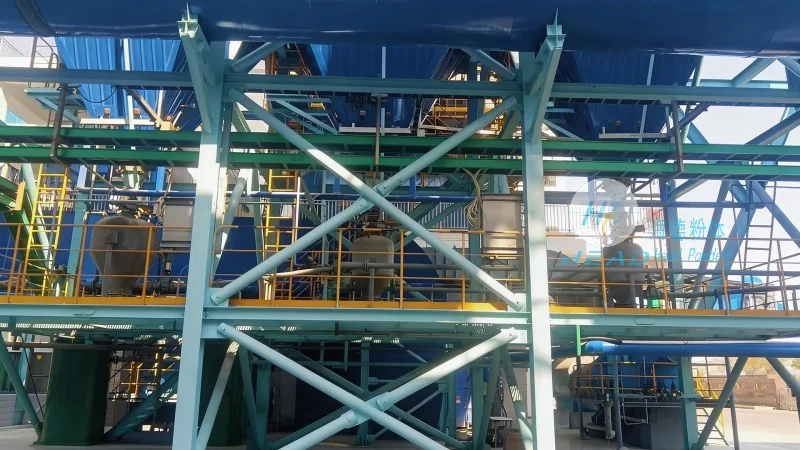
1. Pumping Systems for Wet Ammonium Nitrate
Pumping is one of the most prevalent methods for conveying wet ammonium nitrate, especially when the material needs to be transported over longer distances or to elevated locations. HeadPowder offers specialized pumps engineered to handle the abrasive and corrosive nature of wet ammonium nitrate. These pumps typically include centrifugal or positive displacement types, constructed with materials such as stainless steel or specialized alloys to resist wear and corrosion. The primary advantages of pumping systems include high flow rates, consistent pressure control, and the ability to handle varying viscosities. However, they require regular maintenance to prevent wear and may be less suitable for very abrasive or high-concentration materials without proper modifications. The pumping systems provided by HeadPowder are designed with safety features to minimize the risk of leaks and ensure compliance with industry standards.
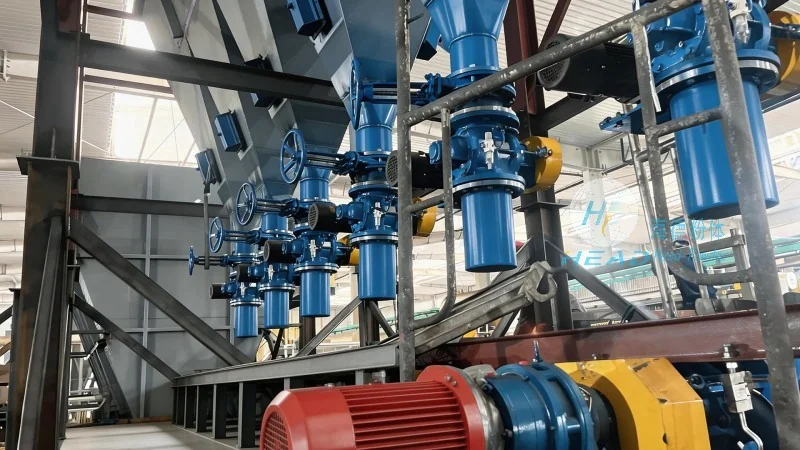
2. Gravity Flow Systems
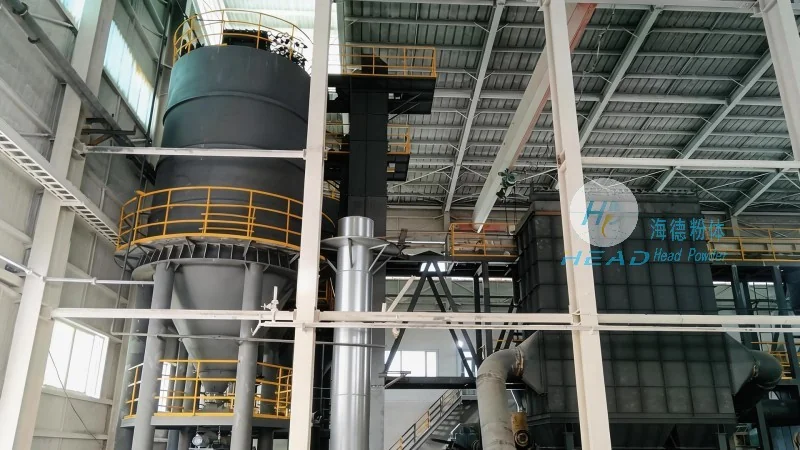
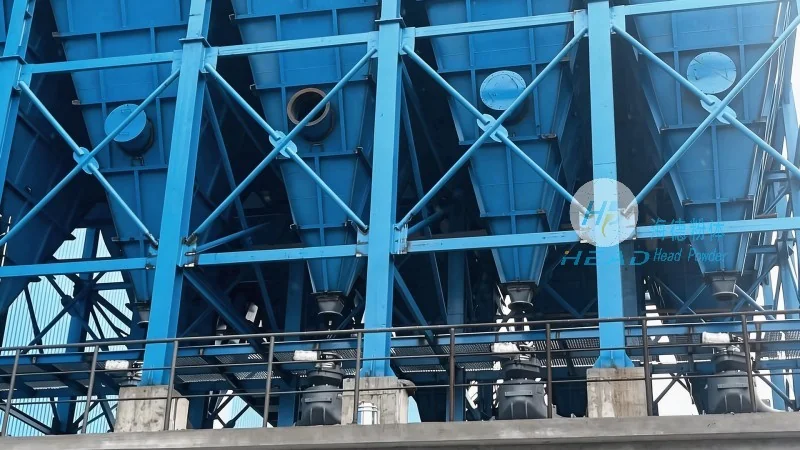
Gravity flow systems utilize the natural force of gravity to move wet ammonium nitrate from one point to another, often through inclined chutes or pipelines. This method is particularly effective for short to medium distances where the material can be safely discharged without excessive pressure. HeadPowder designs gravity flow systems with smooth, non-stick surfaces to minimize friction and prevent material buildup. The key benefits of gravity flow include low energy consumption, reduced maintenance costs, and the elimination of moving parts that could fail or cause blockages. However, this method is limited by the topography of the site and the need for a suitable elevation difference to ensure proper flow. It is most suitable for applications where the material is relatively free-flowing and the distance is manageable, such as in on-site storage and processing facilities.
3. Air-Driven Conveying Systems
Air-driven or pneumatic conveying systems use compressed air to transport wet ammonium nitrate in a slurry or dry form. This method is ideal for applications requiring flexibility in layout and the ability to handle materials with high moisture content. HeadPowder’s pneumatic systems are equipped with high-efficiency air pumps and specialized nozzles to ensure consistent material transport. The advantages of air-driven systems include the ability to transport materials over longer distances with minimal pressure loss, the capacity to handle abrasive materials without significant wear, and the option for both positive and negative pressure operation. However, these systems require a reliable air supply and may have higher energy consumption compared to gravity flow or pumping systems. They are particularly effective for applications where the material needs to be conveyed through complex layouts or to multiple destinations, such as in fertilizer production lines.

 Shandong Headpowder Engineering Co., Ltd.
 156-6277-7102(Quản lý Trương)
  0531-83386006
  Thành phố Tế Nam, Tỉnh Sơn Đông, Trung Quốc
Điện thoại
WeChatTư vấn
Lên đầu